
Cane Sugar Market Analysis: Growth Drivers and Global Supply Dynamics
Cane sugar remains a dominant sweetener in food and beverage applications due to its natural origin and cost-effectiveness.
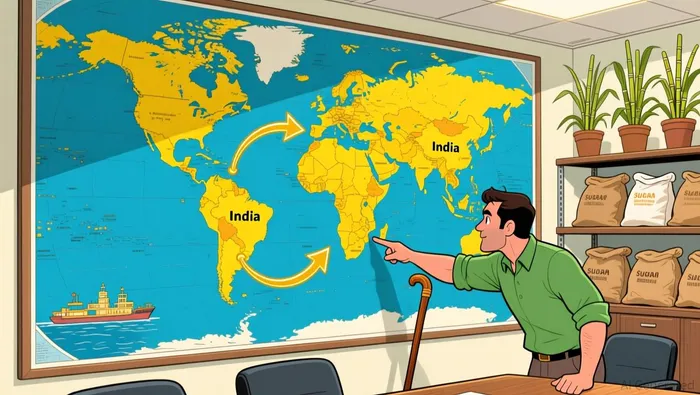
Global sugar markets are experiencing a significant surplus driven by high production from top growers like Brazil, India, and Thailand.
Demand for organic and sustainably sourced cane sugar is rising in developed markets, while urbanization in emerging economies supports steady consumption.
Mexico is implementing support programs for sugarcane producers to stabilize the sector against smuggling and high-fructose corn syrup competition.
Producers are adopting deeper planting and sustainable practices to improve yield and reduce environmental impact.
The cane sugar market is evolving rapidly as global food producers and consumers balance preferences for natural ingredients with health and sustainability concerns. While cane sugar’s plant-based origin and wide usability have kept it competitive against alternatives like high-fructose corn syrup and artificial sweeteners, the market is now facing new challenges, particularly from oversupply and environmental pressures. For investors, these dynamics create both risks and opportunities, as demand in emerging markets continues to grow while developed regions push for more ethically sourced and sustainable products. Recent developments in production efficiency, government policy, and shifting consumer preferences are reshaping the landscape for sugarcane producers and refiners alike.
Is the Cane Sugar Market Growing Amid Global Surpluses and Health Trends?
, , driven by its natural origin and versatility in food and beverage applications. Demand remains strong in emerging economies due to urbanization and changing dietary habits, while in developed markets, sustainability and ethical sourcing are top priorities according to industry analysis. Producers are responding by investing in improved farming practices, yield optimization, and byproduct utilization to reduce environmental impact. At the same time, innovation in packaging, traceability, and organic cane sugar variants is helping brands differentiate themselves in competitive markets. Despite pressure from alternative sweeteners, cane sugar maintains a strong position due to its cost-effectiveness and deep integration into global supply chains.
However, the global sugar market is currently facing a significant surplus, with production outpacing consumption in recent years. This oversupply has been driven by record crops from top producers like Brazil, India, and Thailand, which are forecast to persist into the 2026-27 season. Analysts from , , . The surplus has created a bearish outlook for prices, with sugar futures trading near multi-month lows and continued downward pressure expected. India, for example, has increased exports to manage its domestic surplus, while Brazil’s ethanol production incentives are temporarily shifting focus away from sugar, further complicating the market.
What Recent Developments Are Shaping Cane Sugar Production and Trade?
Mexico is actively implementing measures to support its sugarcane producers amid financial pressures caused by smuggling and competition from high-fructose corn syrup. The Mexican government has integrated sugarcane producers into its Well-Being programs, offering , . Additionally, import tariffs for raw and refined sugar have been increased to curb smuggling from countries like Brazil, Guatemala, and India. Despite these efforts, experts argue that these measures remain insufficient, and industry leaders are calling for stronger protections and awareness campaigns to differentiate cane sugar from corn syrup.
On the production side, scientific research is identifying ways to enhance sugarcane productivity and resilience. Studies show that deeper planting and optimal bud density improve lodging resistance while maintaining yield, offering valuable insights for optimizing cultivation practices. These findings could help address productivity challenges and enhance sustainability in the long term. Moreover, research on greenhouse gas emissions in sugarcane production systems highlights the potential of reduced tillage and sustainable management practices to significantly lower the carbon footprint of sugar production. As the industry moves toward more environmentally friendly practices, producers that adopt these innovations may gain a competitive advantage.
How Are Cane Sugar Producers Responding to Market and Environmental Challenges?
Cane sugar producers are adapting to the evolving market through a combination of operational efficiency, product innovation, and sustainability initiatives. For example, . reported strong first-quarter results driven by improved production efficiency and favorable market conditions. The company’s success highlights the importance of operational strategies in navigating market volatility and optimizing production. Meanwhile, other producers are focusing on improving farming practices, such as using reduced tillage systems to lower greenhouse gas emissions and increase productivity according to research. These efforts not only help reduce environmental impact but also improve long-term viability in a market increasingly shaped by consumer demand for sustainable products.
Investors looking into the cane sugar sector should also monitor emerging technologies and regulatory changes. For instance, advancements in organic cane sugar and sustainable packaging are helping brands differentiate themselves in retail and industrial channels. At the same time, regulatory scrutiny around sugar consumption and health trends continues to shape consumer preferences, with producers investing in cleaner labels and natural ingredients. Companies that can balance these demands while maintaining cost-effectiveness and scalability may be well-positioned for long-term growth.
What Risks and Opportunities Should Investors Watch?
Investors should closely monitor several key factors that could impact the cane sugar market in the coming months and years. The most immediate risk is the global surplus, which is expected to persist into the 2026-27 season and put continued downward pressure on prices. This oversupply could lead to reduced profitability for producers and refiners, particularly in countries with less control over production levels. Additionally, government policies and trade regulations will play a critical role in shaping the market, as seen in Mexico’s efforts to protect domestic producers from smuggling and foreign competition.
On the other hand, opportunities exist in emerging markets where urbanization and changing dietary habits are driving demand for natural sweeteners. Producers that can adapt to sustainability trends and offer ethically sourced products may capture a larger share of these markets. Moreover, innovation in cultivation techniques, such as deeper planting and reduced tillage, could enhance productivity and reduce environmental impact, offering long-term benefits for both producers and consumers. As the global sugar market continues to evolve, investors who understand these dynamics and can identify companies leveraging them effectively may find attractive opportunities in the cane sugar sector.

Stay ahead with real-time Wall Street scoops.







댓글
아직 댓글이 없습니다