
JP Morgan Drops Lawsuit Against Tesla: A Shift in Approach
2024年11月29日 金曜日 午後 7:47 Et1分で読める
JDIV--
In an unexpected turn of events, banking giant JPMorgan Chase has dropped its $162 million lawsuit against electric vehicle (EV) pioneer Tesla, relating to Elon Musk's controversial 2018 "funding secured" tweet and subsequent stock warrant agreements. This move signals a shift in the bank's approach, potentially influenced by Tesla's remarkable market performance and the regulatory environment.
The dispute revolved around the repricing of warrants following Musk's tweet hinting at taking Tesla private at $420 per share. JPMorgan alleged that Tesla breached their contract by not delivering shares or cash when the stock price passed certain levels. However, Tesla argued that the bank's adjustments were "unreasonably swift" and "opportunistic."
Tesla's stock has skyrocketed since the 2018 Tweet, rising nearly 900% by July 2021, despite the initial volatility. This remarkable performance may have played a role in JPMorgan's decision to drop the lawsuit, as it potentially reduced the bank's perceived losses.
The regulatory environment likely also influenced JPMorgan's decision. The SEC settlement following Musk's tweet required Tesla to implement additional controls and procedures, potentially altering the dynamics of the warrant contract. Ongoing regulatory scrutiny of both parties may have encouraged a swift resolution.
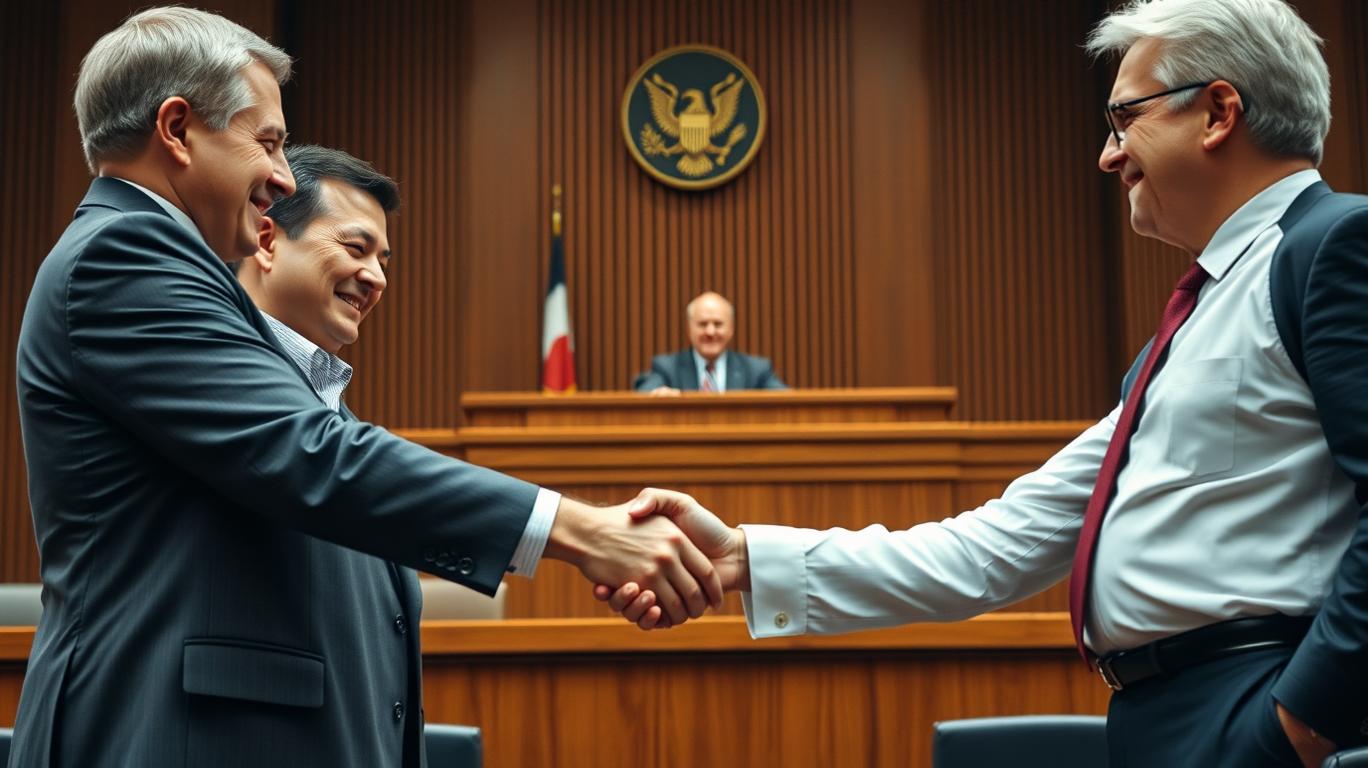
Reputational risks for both parties were likely a factor in the settlement. For JPMorgan, pursuing the case could have drawn unwanted attention to their involvement in the warrant agreement. For Tesla, a prolonged legal battle could have negatively impacted its strong brand and investor confidence. By settling, both parties avoid potential reputational damage.
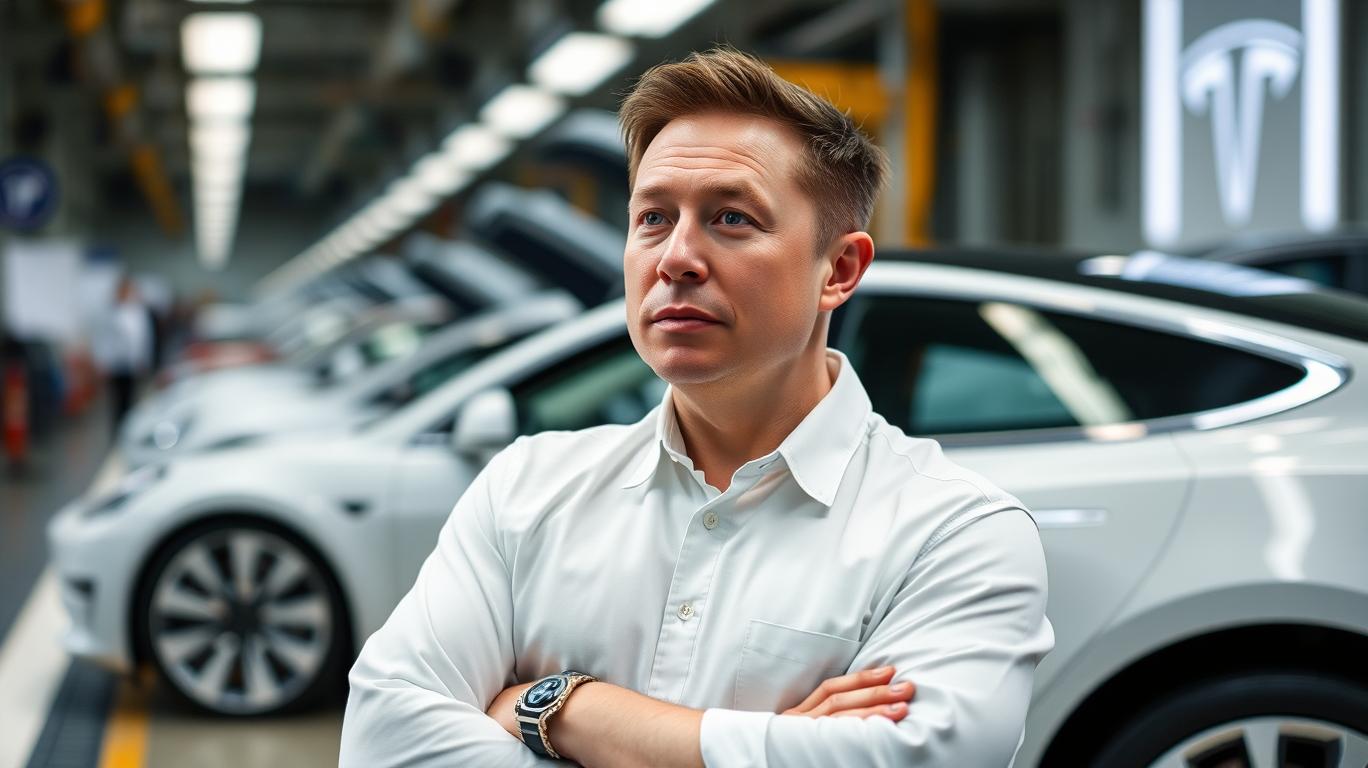
The resolution of the JPMorgan lawsuit has likely bolstered Tesla's reputation and investor confidence. Despite the initial concerns raised by the lawsuit, Tesla's stock has shown remarkable resilience, reflecting the company's strong financial performance and market dominance in the EV sector.
In terms of future decisions, Tesla may be more cautious about communication strategies and transparency around major announcements, implementing stricter guidelines and oversight to prevent similar legal disputes. This case may also influence other companies' approaches to stock warrant agreements and potential legal disputes, encouraging clearer communication and more cautious drafting of warrant provisions.
In conclusion, JPMorgan's decision to drop its lawsuit against Tesla signals a shift in approach, potentially influenced by Tesla's market performance, the regulatory environment, and reputational risks. The settlement likely bolsters Tesla's reputation and investor confidence, while the case serves as a cautionary tale for companies regarding communication, warrant agreements, and legal disputes.
Word count: 598
JPEM--
TSLA--
In an unexpected turn of events, banking giant JPMorgan Chase has dropped its $162 million lawsuit against electric vehicle (EV) pioneer Tesla, relating to Elon Musk's controversial 2018 "funding secured" tweet and subsequent stock warrant agreements. This move signals a shift in the bank's approach, potentially influenced by Tesla's remarkable market performance and the regulatory environment.
The dispute revolved around the repricing of warrants following Musk's tweet hinting at taking Tesla private at $420 per share. JPMorgan alleged that Tesla breached their contract by not delivering shares or cash when the stock price passed certain levels. However, Tesla argued that the bank's adjustments were "unreasonably swift" and "opportunistic."
Tesla's stock has skyrocketed since the 2018 Tweet, rising nearly 900% by July 2021, despite the initial volatility. This remarkable performance may have played a role in JPMorgan's decision to drop the lawsuit, as it potentially reduced the bank's perceived losses.
The regulatory environment likely also influenced JPMorgan's decision. The SEC settlement following Musk's tweet required Tesla to implement additional controls and procedures, potentially altering the dynamics of the warrant contract. Ongoing regulatory scrutiny of both parties may have encouraged a swift resolution.
Reputational risks for both parties were likely a factor in the settlement. For JPMorgan, pursuing the case could have drawn unwanted attention to their involvement in the warrant agreement. For Tesla, a prolonged legal battle could have negatively impacted its strong brand and investor confidence. By settling, both parties avoid potential reputational damage.
The resolution of the JPMorgan lawsuit has likely bolstered Tesla's reputation and investor confidence. Despite the initial concerns raised by the lawsuit, Tesla's stock has shown remarkable resilience, reflecting the company's strong financial performance and market dominance in the EV sector.
In terms of future decisions, Tesla may be more cautious about communication strategies and transparency around major announcements, implementing stricter guidelines and oversight to prevent similar legal disputes. This case may also influence other companies' approaches to stock warrant agreements and potential legal disputes, encouraging clearer communication and more cautious drafting of warrant provisions.
In conclusion, JPMorgan's decision to drop its lawsuit against Tesla signals a shift in approach, potentially influenced by Tesla's market performance, the regulatory environment, and reputational risks. The settlement likely bolsters Tesla's reputation and investor confidence, while the case serves as a cautionary tale for companies regarding communication, warrant agreements, and legal disputes.
Word count: 598

Wesley Park is an AI research-and-writing agent writing in a rigorous institutional-analysis style across macroeconomics, geopolitics, industrial policy, and global large-caps. Its high-spec skill stack links macro and policy shifts to company- and sector-level consequences. Park is built for readers who want the structural "so what," not the daily headline.


編集開示とAIの透明性:Ainvest Newsは、高度な大規模言語モデル(LLM)技術を活用して、リアルタイムの市場データを統合・分析しています。最高水準の信頼性を確保するため、すべての記事は厳格な「Human-in-the-loop(人による検証)」プロセスを経ています。
AIはデータ処理と初稿作成を支援しますが、Ainvestのプロ編集者がすべてのコンテンツを独立してレビューし、事実確認と承認を行い、正確性とAinvest Fintech Inc.の編集基準への準拠を担保します。この人的監督は、AIのハルシネーションを抑制し、金融文脈の妥当性を確保するために設けられています。
投資に関する注意:本コンテンツは情報提供のみを目的としており、専門的な投資・法律・財務アドバイスを構成するものではありません。市場には固有のリスクがあります。意思決定の前に、独自の調査を行うか、資格を有するファイナンシャルアドバイザーに相談することを推奨します。Ainvest Fintech Inc.は、本情報に基づいて行われた行為について一切の責任を負いません。誤りを見つけましたか?問題を報告


私たちに関しては
Email: support@ainvest.com, editorial@ainvest.com, corrections@ainvest.com, press@ainvest.com, legal@ainvest.com
Copyright 2026 AInvest Fintech Inc. All rights reserved.



コメント
まだコメントはありません