
Catch pre-market movers with AI signals.
Uniswap Warns of Scam Ads Leading to Fake Sites and Financial Losses
Scammers are using sponsored search ads to mimic UniswapUNI--, directing users to fake sites that drain funds after wallet approvals according to reports. January 2026 marked the highest amount stolen in 11 months, with losses reaching $370.3 million, much of it due to phishing and social engineering attacks as data shows. Hayden Adams warns that while the blockchain infrastructure is secure, user-facing vulnerabilities such as phishing websites and sponsored scam ads remain a significant threat according to the Uniswap founder.
Scammers are increasingly targeting users by leveraging the trust in well-known platforms like Google and other search engines. These attacks are sophisticated, often involving near-identical fake websites that mimic the Uniswap interface according to warnings. Users who click on these ads are redirected to malicious sites where they connect their wallets and approve transactions that drain their funds within seconds as reported.
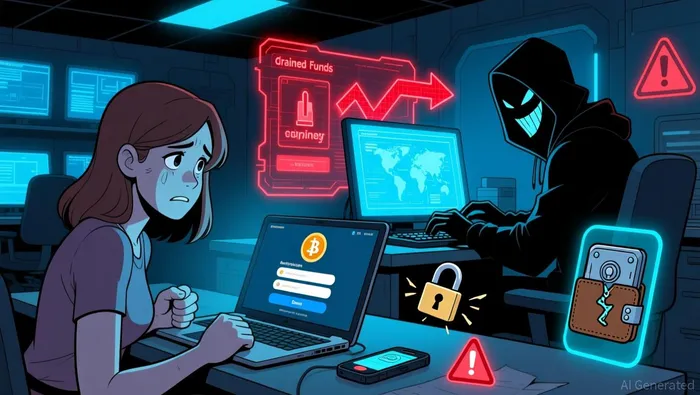
The threat has become more pronounced in 2026, with attackers using advanced social engineering techniques to increase the likelihood of user interaction according to industry analysis. This has led to a surge in crypto-related theft and exploitation, with over $370 million reportedly stolen in January alone according to reports.
Hayden Adams has urged users to be cautious when searching for DeFi platforms and to verify the authenticity of websites before connecting their wallets according to the Uniswap founder. He highlights that the problem lies in the intersection of advertising models and user trust in search engines, which attackers exploit for financial gain as noted. Despite repeated reports and warnings, scam ads continue to reappear, making it challenging for users to differentiate between legitimate and fraudulent sites according to analysis.
How Scammers Exploit Search Engines and User Behavior?
Scammers have mastered the art of exploiting search engines to push fake Uniswap sites to the top of search results. These sites are often designed to closely resemble the real platform, making it easy for users to be deceived according to reports. Once users connect their wallets and approve transactions, attackers can quickly drain their funds as data shows. This pattern has persisted without interruption, with search engines remaining a key channel used by scammers according to industry analysis.
The tactics are becoming increasingly sophisticated, now leveraging large-scale social engineering and AI tools according to analysts. Scammers create near-identical websites to trick users into connecting their wallets and approving transactions as reported. These attacks exploit the credibility of well-known platforms to deceive users according to industry data. Even experienced traders can fall victim when fake ads appear at the top of search engine results according to reports.
What Users Can Do to Stay Protected?
Users are advised to adopt stricter verification practices to protect themselves from these scams according to warnings. This includes avoiding sponsored links, bookmarking official URLs, and double-checking domain names before connecting a wallet as recommended. Users should also consider using hardware wallets for added protection according to security experts.
The growing sophistication of phishing tactics highlights the need for greater user education and awareness according to analysis. Scammers are exploiting user trust in search engines to deceive even cautious users according to reports. As the DeFi ecosystem expands, brand impersonation and interface fraud are becoming significant threats to user trust according to industry data.
Industry data shows that scam activity has increased at the start of 2026 according to industry reports. January saw the highest amount stolen in 11 months, with losses reaching $370.3 million as reported. This figure represented a major rise from the same month in 2025 according to analysis. Analysts noted the role of phishing and social engineering in these losses as data shows.
CertiK reported 40 exploit and scam cases during January according to reports. The largest single loss came from a social engineering attack that cost one victim around $284 million according to data. These incidents show that scams continue to affect both experienced and new users according to industry analysis. Security firms say scams often focus on users searching for platforms or tools as reported.
To combat these threats, industry leaders like Hayden Adams are calling for a multi-pronged approach involving both technical and user-behavioral strategies according to the Uniswap founder. This includes updates to user interfaces, educational campaigns, and stricter measures by advertising platforms to prevent sponsored search scams according to industry experts.

Blending traditional trading wisdom with cutting-edge cryptocurrency insights.







Commentaires
Pas encore de commentaires