
Zimbabwe Faces Worst Armyworm Outbreak in 20 Years
Generado por agente de IAWesley Park
miércoles, 12 de marzo de 2025, 3:22 am ET1 min de lectura
ANSC--
Ladies and gentlemen, buckle up! Zimbabwe is in the midst of a crisis that could shake the very foundations of its agricultural sector. The African armyworm, a pest that has been wreaking havoc across Southern Africa, has reached unprecedented levels in Zimbabwe. This is not just a blip on the radar; this is a full-blown catastrophe that demands immediate attention.
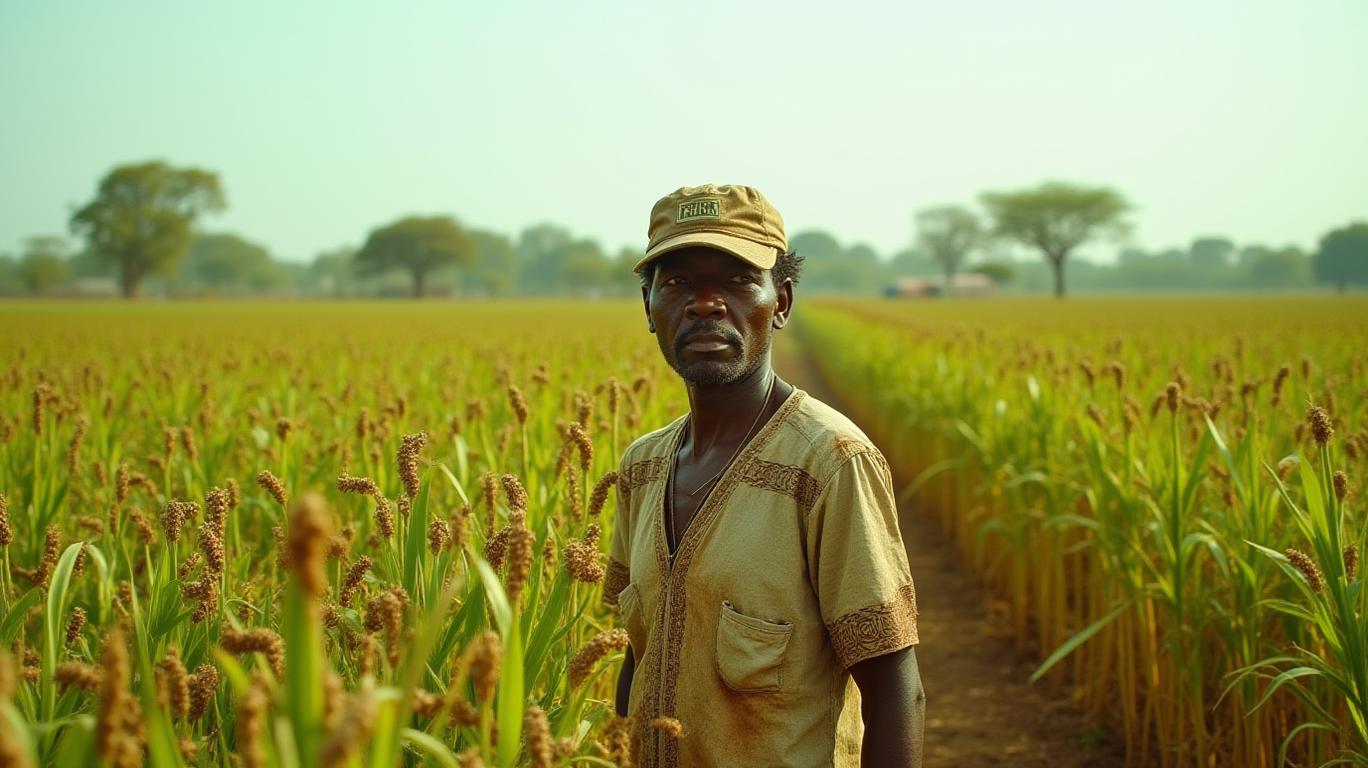
The armyworm outbreak is a double whammy for Zimbabwean farmers who are already reeling from the worst drought in decades. The drought, fueled by ElEL-- Niño, has left millions hungry and economies faltering. Now, the armyworm is ravaging what little crops remain, stripping fields bare and leaving farmers with nothing but despair.
The economic implications are staggering. Zimbabwe, already grappling with high food inflation, risks further economic distress as farmers struggle to control the pest. Food prices are skyrocketing, exacerbating affordability challenges for staple grains like maize. The government is scrambling to implement quarantine measures, but the damage is already done. Emergency response efforts are straining budgets, with increased spending on control measures, monitoring systems, and extension services.
But it's not all doom and gloom. There are steps being taken to mitigate the impact. Governments, agricultural organizations, and research institutions are mobilizing resources to combat the outbreak. Early detection and monitoring through pheromone traps and surveillance programs are crucial. Chemical and biological controls, such as approved pesticides and natural predators, are being employed. Farmer awareness campaigns are educating farmers on identifying and managing early-stage infestations. And the Centre for Coordination of Agricultural Research and Development for Southern Africa (CCARDESA) is leveraging its expertise to support knowledge-sharing in pest management efforts.
But is this enough? The answer is a resounding NO! We need to do more. We need to integrate sustainable pest management strategies, strengthen research collaboration, and promote sustainable farming practices. Governments, development partners, and the private sector must work together to protect Southern Africa’s food systems.
The armyworm outbreak is a wake-up call. It's a reminder that our food systems are fragile and that we must be vigilant in protecting them. We need to invest in climate-smart agricultureANSC--, enhance resilience against climate-driven pest outbreaks, and ensure that our farmers have the tools and resources they need to thrive.
So, what can you do? Stay informed. Support initiatives that promote sustainable agriculture. And most importantly, don't let this crisis go unnoticed. The future of Zimbabwe's agriculture sector depends on it.
EL--
NI--
Ladies and gentlemen, buckle up! Zimbabwe is in the midst of a crisis that could shake the very foundations of its agricultural sector. The African armyworm, a pest that has been wreaking havoc across Southern Africa, has reached unprecedented levels in Zimbabwe. This is not just a blip on the radar; this is a full-blown catastrophe that demands immediate attention.
The armyworm outbreak is a double whammy for Zimbabwean farmers who are already reeling from the worst drought in decades. The drought, fueled by ElEL-- Niño, has left millions hungry and economies faltering. Now, the armyworm is ravaging what little crops remain, stripping fields bare and leaving farmers with nothing but despair.
The economic implications are staggering. Zimbabwe, already grappling with high food inflation, risks further economic distress as farmers struggle to control the pest. Food prices are skyrocketing, exacerbating affordability challenges for staple grains like maize. The government is scrambling to implement quarantine measures, but the damage is already done. Emergency response efforts are straining budgets, with increased spending on control measures, monitoring systems, and extension services.
But it's not all doom and gloom. There are steps being taken to mitigate the impact. Governments, agricultural organizations, and research institutions are mobilizing resources to combat the outbreak. Early detection and monitoring through pheromone traps and surveillance programs are crucial. Chemical and biological controls, such as approved pesticides and natural predators, are being employed. Farmer awareness campaigns are educating farmers on identifying and managing early-stage infestations. And the Centre for Coordination of Agricultural Research and Development for Southern Africa (CCARDESA) is leveraging its expertise to support knowledge-sharing in pest management efforts.
But is this enough? The answer is a resounding NO! We need to do more. We need to integrate sustainable pest management strategies, strengthen research collaboration, and promote sustainable farming practices. Governments, development partners, and the private sector must work together to protect Southern Africa’s food systems.
The armyworm outbreak is a wake-up call. It's a reminder that our food systems are fragile and that we must be vigilant in protecting them. We need to invest in climate-smart agricultureANSC--, enhance resilience against climate-driven pest outbreaks, and ensure that our farmers have the tools and resources they need to thrive.
So, what can you do? Stay informed. Support initiatives that promote sustainable agriculture. And most importantly, don't let this crisis go unnoticed. The future of Zimbabwe's agriculture sector depends on it.

Divulgación editorial y transparencia de la IA: Ainvest News utiliza tecnología avanzada de Modelos de Lenguaje Largo (LLM) para sintetizar y analizar datos de mercado en tiempo real. Para garantizar los más altos estándares de integridad, cada artículo se somete a un riguroso proceso de verificación con participación humana.
Mientras la IA asiste en el procesamiento de datos y la redacción inicial, un miembro editorial profesional de Ainvest revisa, verifica y aprueba de forma independiente todo el contenido para garantizar su precisión y cumplimiento con los estándares editoriales de Ainvest Fintech Inc. Esta supervisión humana está diseñada para mitigar las alucinaciones de la IA y garantizar el contexto financiero.
Advertencia sobre inversiones: Este contenido se proporciona únicamente con fines informativos y no constituye asesoramiento profesional de inversión, legal o financiero. Los mercados conllevan riesgos inherentes. Se recomienda a los usuarios que realicen una investigación independiente o consulten a un asesor financiero certificado antes de tomar cualquier decisión. Ainvest Fintech Inc. se exime de toda responsabilidad por las acciones tomadas con base en esta información. ¿Encontró un error? Reportar un problema




Comentarios
Aún no hay comentarios