
Zimbabwe's Economic Rebound: Strategic Investment Opportunities in Agriculture and Infrastructure
Zimbabwe's economy is poised for a significant rebound, driven by strategic investments in agriculture and infrastructure. After years of navigating climate shocks, policy reforms, and structural challenges, the country is leveraging targeted interventions to unlock growth in high-potential sectors. This analysis explores how Zimbabwe's agricultural and infrastructure landscapes are evolving, offering compelling opportunities for investors willing to navigate a complex but improving environment.
Agriculture: A High-Value Transformation
Zimbabwe's agricultural sector, contributing 17% to GDP and 40% to exports, is undergoing a strategic shift toward high-value crops and climate resilience. The government's goal to grow the sector to $13.75 billion by 2025 is underpinned by investments in horticulture, sugar production, and smallholder empowerment.
High-Value Crops and Export Growth
The horticulture sector has emerged as a standout, with avocado and blueberry exports surging. Zimbabwe is now the fifth-largest avocado producer in Africa, with exports reaching $50 million in 2024 and projected to grow to $2 billion by 2030, according to an AllAfrica report. Blueberry production, meanwhile, saw a 351% increase in export revenues between 2020 and 2024, Farmonaut reports https://farmonaut.com/africa/zimbabwe-farming-2025-challenges-growth-insights. These gains are supported by initiatives like the Horticultural Enterprise Enhancement Project (HEEP), which channels funding to smallholder farmers and expands export capacity, according to MJ Consultants.
Sugar production is another pillar of growth. Producers like Hippo Valley and Triangle collectively produced 440,000 tonnes in the 2024/25 season-surpassing national demand-and Hippo Valley's exports alone surged by 364% in Q1 2025, the AllAfrica report noted. This surplus positions Zimbabwe as a regional supplier, with strong export potential to markets in Europe and Asia.
Climate Resilience and Policy Frameworks
Climate change remains a critical challenge, with the 2023/24 El Niño-induced drought causing a 60% drop in maize yields and $363 million in losses, according to a World Bank update. To counter this, the government and development partners are prioritizing climate-smart agriculture. The Zimbabwe Economic Update (ZEU) 2025 emphasizes investments in irrigation, early warning systems, and social protection programs, as reported by Positive Eye News. Over 60% of farmers are now adopting climate-resilient techniques, such as drought-tolerant crops and conservation agriculture, Farmonaut also reports.
Land reform policies have also reshaped the sector, with small-scale farmers accounting for 80% of food demand and 60% of land reform beneficiaries, according to a ZimAdvocate analysis. However, productivity remains constrained by limited access to financing, infrastructure, and expertise, with output down 40% compared to pre-reform levels, the same ZimAdvocate analysis notes. Addressing these gaps through mechanization and value-chain development could unlock further growth.
Infrastructure: Powering Economic Transformation
Zimbabwe's infrastructure sector is central to its vision of becoming an Upper Middle-Income Society by 2030. Strategic investments in energy, transportation, and telecommunications are creating a foundation for long-term growth, though challenges like corruption and policy inconsistency persist.
Energy: A Renewable Push
The government's five-pillar energy strategy aims to attract $9 billion in investment by 2025, with a focus on renewable energy and clean cooking. Key projects include the Nyanga Solar Project (10 MW), Gwanda Solar Project (10 MW), and the proposed Batoka Gorge Hydroelectric project (1,600 MW), according to a Zawya press release. These initiatives are part of a broader effort to increase renewable energy's share from 7% to 29% by 2025 and expand clean cooking access from 38% to 70%, as outlined in a ZimAdvocate piece.
Despite these ambitions, energy demand remains unmet, with the country averaging 1,300–1,600 MW against a requirement of 1,800–2,000 MW, according to a NewsDay report. Private sector participation is being incentivized through public-private partnerships, but funding gaps and regulatory hurdles remain.
Transportation and Trade Connectivity
Transportation infrastructure is a critical enabler of economic integration. Modernization of rail networks, supported by the World Bank and African Development Bank, has improved freight volumes and reduced shipment delays for agriculture and mining sectors, according to an ArumVisuals analysis. Port upgrades have also streamlined customs processes, reducing freight costs and enhancing Zimbabwe's role as a regional trade hub, the ArumVisuals analysis adds.
Telecommunications: Growth Amid Challenges
The telecommunications sector saw a 17.31% increase in mobile data traffic in Q1 2025, driven by rising subscriptions and 5G infrastructure deployment, per the POTRAZ report. However, operators face declining revenues and rising operating costs, with Econet and NetOne offsetting Telecel's subscriber losses. The adoption of alternative solutions like Starlink has boosted VSAT subscriptions by 32.02%, according to a TVBRICS article.
Investment Climate: Opportunities and Risks
Zimbabwe's "open for business" policy aims to attract foreign direct investment (FDI), particularly in agriculture, energy, and mining. The Zimbabwe Investment and Development Agency (ZIDA) was established in 2020 to streamline investment facilitation, but weak institutional capacity and investor skepticism persist, according to a State Department report.
While FDI inflows have declined since 2018, the government's focus on high-value sectors and climate resilience offers a compelling case for long-term investors. Strategic partnerships with development partners, such as the International Fund for Agricultural Development and OPEC Fund for International Development, are also de-risking projects in horticulture and energy, the AllAfrica report observed.
Conclusion
Zimbabwe's economic rebound hinges on its ability to capitalize on strategic sectors like agriculture and infrastructure. The agricultural transformation, driven by high-value crops and climate adaptation, is creating export opportunities and food security. Meanwhile, infrastructure investments in energy and transportation are laying the groundwork for regional integration and industrialization. For investors, the path forward requires navigating policy complexities and climate risks, but the potential rewards-both economic and social-are substantial. 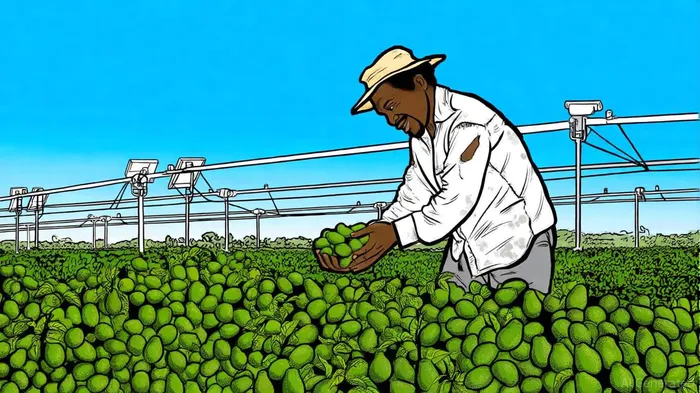







Comentarios
Aún no hay comentarios