
Zelle's Fraud Fiasco: Banks Face Federal Lawsuit
Generado por agente de IAWesley Park
viernes, 20 de diciembre de 2024, 3:06 pm ET1 min de lectura
BAC--
The Zelle peer-to-peer payment network, owned by seven of the largest US banks, has been hit with a federal lawsuit alleging widespread fraud and inadequate consumer protection. The Consumer Financial Protection Bureau (CFPB) filed the complaint against three of the nation's biggest banks—JPMorgan Chase, Bank of America, and Wells Fargo—and the operator of Zelle, Early Warning Services.
The CFPB estimates that hundreds of thousands of customers of these banks have lost more than $870 million since Zelle launched seven years ago due to fraud. The agency alleges that the banks and Zelle's operator failed to implement proper safeguards, leaving consumers vulnerable to scams and fraudulent activities. The lawsuit claims that the defendants did not stop transfers when there were indications of fraud and did not protect their own account owners from using Zelle to perpetrate fraud.
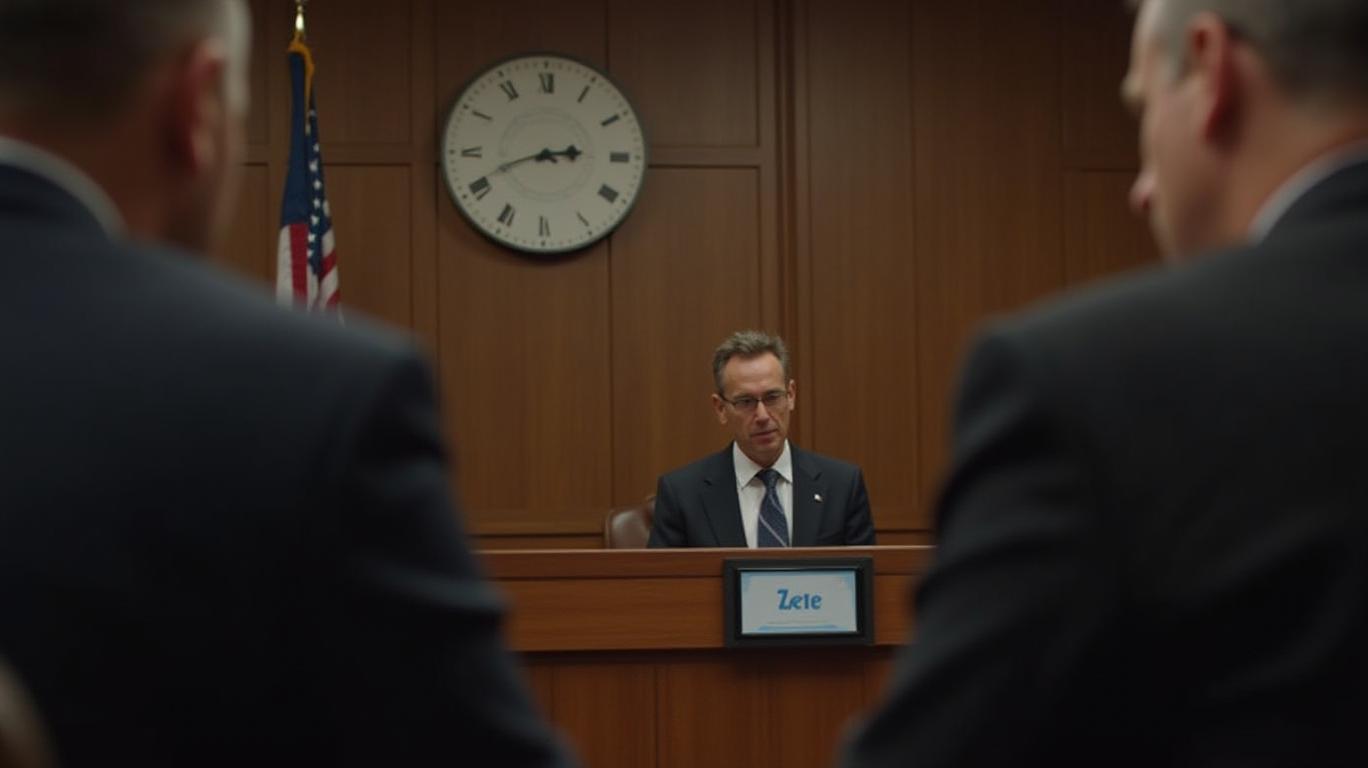
The CFPB's suit, filed in the US District Court for the District of Arizona, seeks to halt the unlawful conduct, obtain redress for harmed consumers, and impose civil penalties. CFPB Director Rohit Chopra stated, "The nation's largest banks felt threatened by competing payment apps, so they rushed to put out Zelle. By their failing to put in place proper safeguards, Zelle became a gold mine for fraudsters, while often leaving victims to fend for themselves."
In response to the lawsuit, Early Warning Services, the operator of Zelle, called the suit "meritless." Jane Khodos, a Zelle spokesperson, stated, "The CFPB’s attacks on Zelle are legally and factually flawed, and the timing of this lawsuit appears to be driven by political factors unrelated to Zelle." However, the CFPB maintains that the banks and Zelle's operator must be held accountable for their role in the fraud.
To prevent further fraud and protect consumers, Zelle and its owner banks should consider implementing multi-factor authentication, enhancing identity verification methods, and strengthening fraud detection algorithms. Additionally, they should establish a centralized database to share information about known fraudulent transactions and collaborate with other financial institutions and law enforcement agencies to combat fraud more effectively.
The Zelle fraud lawsuit serves as a reminder of the importance of robust consumer protection measures in the digital age. As peer-to-peer payment networks continue to grow in popularity, it is crucial for banks and financial institutions to prioritize the security and well-being of their customers. By taking proactive steps to prevent fraud and address consumer complaints, Zelle and its owner banks can help restore trust in the payment network and protect their customers from further victimization.
FISI--
JDIV--
WFC--
The Zelle peer-to-peer payment network, owned by seven of the largest US banks, has been hit with a federal lawsuit alleging widespread fraud and inadequate consumer protection. The Consumer Financial Protection Bureau (CFPB) filed the complaint against three of the nation's biggest banks—JPMorgan Chase, Bank of America, and Wells Fargo—and the operator of Zelle, Early Warning Services.
The CFPB estimates that hundreds of thousands of customers of these banks have lost more than $870 million since Zelle launched seven years ago due to fraud. The agency alleges that the banks and Zelle's operator failed to implement proper safeguards, leaving consumers vulnerable to scams and fraudulent activities. The lawsuit claims that the defendants did not stop transfers when there were indications of fraud and did not protect their own account owners from using Zelle to perpetrate fraud.
The CFPB's suit, filed in the US District Court for the District of Arizona, seeks to halt the unlawful conduct, obtain redress for harmed consumers, and impose civil penalties. CFPB Director Rohit Chopra stated, "The nation's largest banks felt threatened by competing payment apps, so they rushed to put out Zelle. By their failing to put in place proper safeguards, Zelle became a gold mine for fraudsters, while often leaving victims to fend for themselves."
In response to the lawsuit, Early Warning Services, the operator of Zelle, called the suit "meritless." Jane Khodos, a Zelle spokesperson, stated, "The CFPB’s attacks on Zelle are legally and factually flawed, and the timing of this lawsuit appears to be driven by political factors unrelated to Zelle." However, the CFPB maintains that the banks and Zelle's operator must be held accountable for their role in the fraud.
To prevent further fraud and protect consumers, Zelle and its owner banks should consider implementing multi-factor authentication, enhancing identity verification methods, and strengthening fraud detection algorithms. Additionally, they should establish a centralized database to share information about known fraudulent transactions and collaborate with other financial institutions and law enforcement agencies to combat fraud more effectively.
The Zelle fraud lawsuit serves as a reminder of the importance of robust consumer protection measures in the digital age. As peer-to-peer payment networks continue to grow in popularity, it is crucial for banks and financial institutions to prioritize the security and well-being of their customers. By taking proactive steps to prevent fraud and address consumer complaints, Zelle and its owner banks can help restore trust in the payment network and protect their customers from further victimization.

Divulgación editorial y transparencia de la IA: Ainvest News utiliza tecnología avanzada de Modelos de Lenguaje Largo (LLM) para sintetizar y analizar datos de mercado en tiempo real. Para garantizar los más altos estándares de integridad, cada artículo se somete a un riguroso proceso de verificación con participación humana.
Mientras la IA asiste en el procesamiento de datos y la redacción inicial, un miembro editorial profesional de Ainvest revisa, verifica y aprueba de forma independiente todo el contenido para garantizar su precisión y cumplimiento con los estándares editoriales de Ainvest Fintech Inc. Esta supervisión humana está diseñada para mitigar las alucinaciones de la IA y garantizar el contexto financiero.
Advertencia sobre inversiones: Este contenido se proporciona únicamente con fines informativos y no constituye asesoramiento profesional de inversión, legal o financiero. Los mercados conllevan riesgos inherentes. Se recomienda a los usuarios que realicen una investigación independiente o consulten a un asesor financiero certificado antes de tomar cualquier decisión. Ainvest Fintech Inc. se exime de toda responsabilidad por las acciones tomadas con base en esta información. ¿Encontró un error? Reportar un problema


SOBRE NOSOTROS
Nuestra historiaAutores de noticiasBase de conocimientosPolítica de privacidadTérmino de usoDescargo de responsabilidad de corretaje de tercerosTérminos de uso de AIMEDivulgaciones de riesgos de AInvest AICarrerasCONTÁCTENOS
Email: support@ainvest.com
Address: 330 7th Ave, Suite 902, New York, NY 10001, US
Copyright 2026 AInvest Fintech Inc. All rights reserved.


Comentarios
Aún no hay comentarios