
New Zealand's Pacific Trade Focus: Wealth Gains Unlikely, PM Says
Generado por agente de IAWesley Park
martes, 14 de enero de 2025, 5:17 pm ET1 min de lectura
PLUS--
New Zealand's Prime Minister has recently stated that the country won't "get rich" by focusing its trade efforts solely in the South Pacific. This sentiment echoes concerns about the limited potential for significant wealth gains through trade with the Pacific region, given its small market size, limited export diversity, and economies of scale challenges. However, New Zealand's Pacific Reset policy aims to strengthen relationships and increase investment in the region, with potential benefits for both New Zealand and Pacific countries.
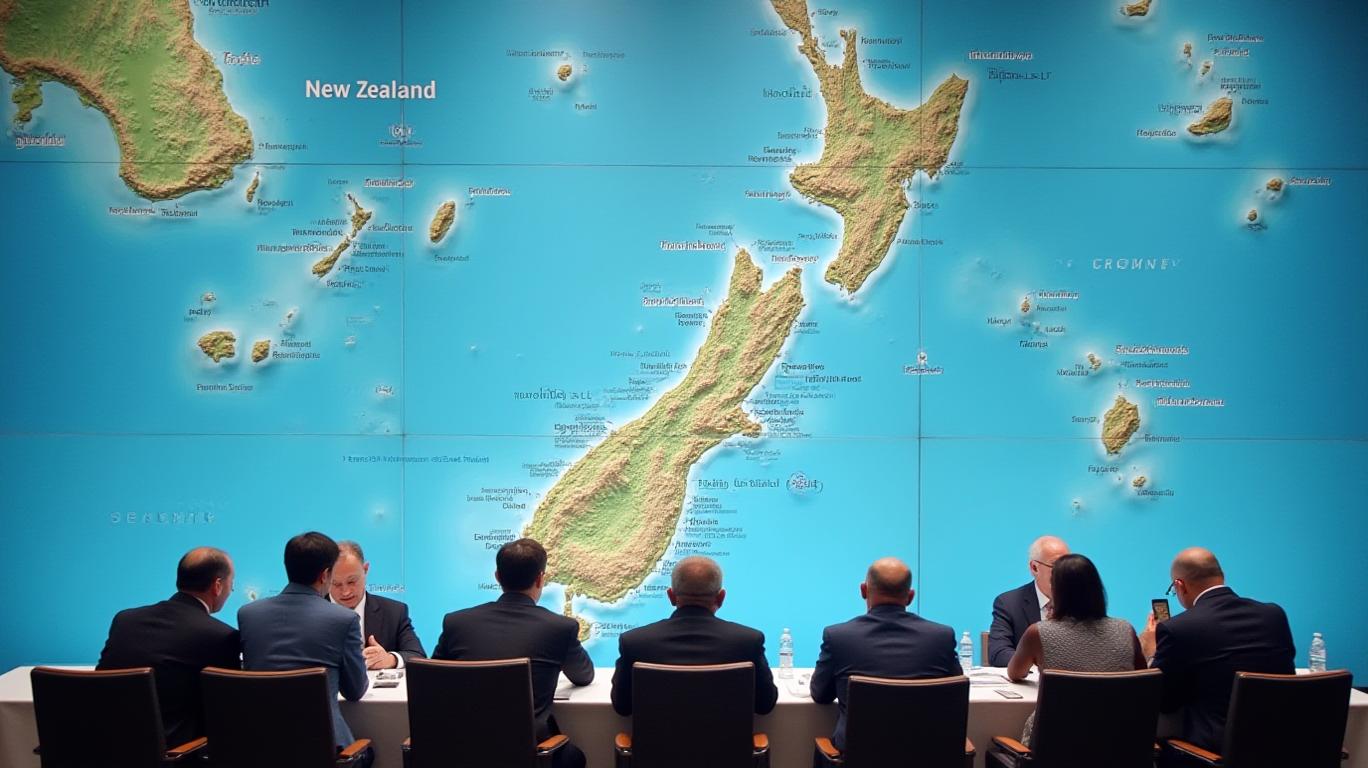
The Pacific Reset policy, launched in March 2018, aims to enhance New Zealand's engagement with the Pacific region. This policy has led to increased ministerial engagement, with New Zealand hosting more Pacific leaders and ministers, and signing bilateral statements of partnership with several Pacific countries. This enhanced cooperation enables frank conversations about policy priorities and challenges, fostering a more inclusive and cohesive approach.
However, the potential for significant wealth gains through trade with the Pacific region is limited. The Pacific markets are relatively small, with a combined GDP of around NZD$10 billion in 2018. This limits the potential for significant wealth gains through trade. For instance, New Zealand's two-way trade with Fiji, the largest Pacific market, exceeded NZD$1 billion in 2018, but this is still a modest figure compared to New Zealand's total trade.
Moreover, New Zealand exports similar goods to most of the larger Pacific markets, such as dairy, meat, machinery, ships, and iron. This lack of diversity in exports may limit the potential for significant wealth gains, as it relies heavily on a few key industries. Additionally, the small size of Pacific countries makes it difficult for them to achieve economies of scale, which are necessary to compete in international markets. This can hinder the growth of local industries and limit the potential for wealth gains through trade.

While New Zealand's Pacific Reset policy aims to create jobs and wealth in the Pacific by making it easier for these countries to trade, as seen in the Pacific Agreement on Closer Economic Relations Plus (PACER Plus), the primary goal is to provide greater certainty for New Zealand businesses trading in the Pacific, rather than generating significant wealth gains for the region.
In conclusion, New Zealand's focus on the Pacific region is driven by a desire to strengthen relationships and increase investment, rather than a pursuit of significant wealth gains through trade. The limited potential for wealth gains is due to the small market size, limited export diversity, and economies of scale challenges in the Pacific region. However, the Pacific Reset policy can still contribute to economic development and improve living standards in the Pacific, aligning with New Zealand's broader trade strategy.
New Zealand's Prime Minister has recently stated that the country won't "get rich" by focusing its trade efforts solely in the South Pacific. This sentiment echoes concerns about the limited potential for significant wealth gains through trade with the Pacific region, given its small market size, limited export diversity, and economies of scale challenges. However, New Zealand's Pacific Reset policy aims to strengthen relationships and increase investment in the region, with potential benefits for both New Zealand and Pacific countries.
The Pacific Reset policy, launched in March 2018, aims to enhance New Zealand's engagement with the Pacific region. This policy has led to increased ministerial engagement, with New Zealand hosting more Pacific leaders and ministers, and signing bilateral statements of partnership with several Pacific countries. This enhanced cooperation enables frank conversations about policy priorities and challenges, fostering a more inclusive and cohesive approach.
However, the potential for significant wealth gains through trade with the Pacific region is limited. The Pacific markets are relatively small, with a combined GDP of around NZD$10 billion in 2018. This limits the potential for significant wealth gains through trade. For instance, New Zealand's two-way trade with Fiji, the largest Pacific market, exceeded NZD$1 billion in 2018, but this is still a modest figure compared to New Zealand's total trade.
Moreover, New Zealand exports similar goods to most of the larger Pacific markets, such as dairy, meat, machinery, ships, and iron. This lack of diversity in exports may limit the potential for significant wealth gains, as it relies heavily on a few key industries. Additionally, the small size of Pacific countries makes it difficult for them to achieve economies of scale, which are necessary to compete in international markets. This can hinder the growth of local industries and limit the potential for wealth gains through trade.
While New Zealand's Pacific Reset policy aims to create jobs and wealth in the Pacific by making it easier for these countries to trade, as seen in the Pacific Agreement on Closer Economic Relations Plus (PACER Plus), the primary goal is to provide greater certainty for New Zealand businesses trading in the Pacific, rather than generating significant wealth gains for the region.
In conclusion, New Zealand's focus on the Pacific region is driven by a desire to strengthen relationships and increase investment, rather than a pursuit of significant wealth gains through trade. The limited potential for wealth gains is due to the small market size, limited export diversity, and economies of scale challenges in the Pacific region. However, the Pacific Reset policy can still contribute to economic development and improve living standards in the Pacific, aligning with New Zealand's broader trade strategy.

Divulgación editorial y transparencia de la IA: Ainvest News utiliza tecnología avanzada de Modelos de Lenguaje Largo (LLM) para sintetizar y analizar datos de mercado en tiempo real. Para garantizar los más altos estándares de integridad, cada artículo se somete a un riguroso proceso de verificación con participación humana.
Mientras la IA asiste en el procesamiento de datos y la redacción inicial, un miembro editorial profesional de Ainvest revisa, verifica y aprueba de forma independiente todo el contenido para garantizar su precisión y cumplimiento con los estándares editoriales de Ainvest Fintech Inc. Esta supervisión humana está diseñada para mitigar las alucinaciones de la IA y garantizar el contexto financiero.
Advertencia sobre inversiones: Este contenido se proporciona únicamente con fines informativos y no constituye asesoramiento profesional de inversión, legal o financiero. Los mercados conllevan riesgos inherentes. Se recomienda a los usuarios que realicen una investigación independiente o consulten a un asesor financiero certificado antes de tomar cualquier decisión. Ainvest Fintech Inc. se exime de toda responsabilidad por las acciones tomadas con base en esta información. ¿Encontró un error? Reportar un problema


SOBRE NOSOTROS
Nuestra historiaAutores de noticiasBase de conocimientosPolítica de privacidadTérmino de usoDescargo de responsabilidad de corretaje de tercerosTérminos de uso de AIMEDivulgaciones de riesgos de AInvest AICarrerasCONTÁCTENOS
Email: support@ainvest.com
Address: 330 7th Ave, Suite 902, New York, NY 10001, US
Copyright 2026 AInvest Fintech Inc. All rights reserved.


Comentarios
Aún no hay comentarios