
ZCASH Reshapes Governance Amid Developer Exodus and Formation of CashZ
- Zcash's Electric Coin Company (ECC) developers resigned in January 2026 due to governance conflicts with Bootstrap, the nonprofit overseeing the project.
- The resignations triggered a 13–17% sell-off in ZEC and raised concerns about long-term sustainability and governance structure.
- The ECC team described their departure as a "constructive discharge," citing intolerable working conditions and governance misalignment.
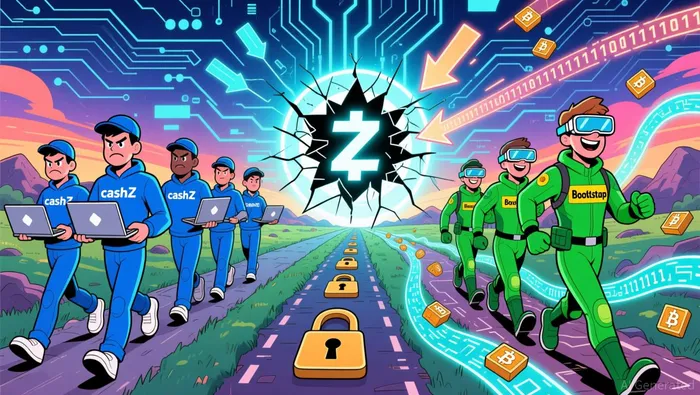
The Electric Coin Company (ECC) developers, led by CEO Josh Swihart, have formed a new for-profit startup called cashZ to continue ZcashZEC-- development. This move aims to provide greater technical agility and mission alignment for the privacy-focused cryptocurrency. CashZ plans to focus on privacy enhancements and institutional adoption through features like P2SH multisig wallets and ephemeral addresses.
The Zcash protocol remains operational, decentralized, and unaffected by the developer exodus. No technical disruptions to the network have occurred, and block production continues as normal. Zcash's open-source nature allows continued development through multiple teams, including the Zcash Foundation and community-funded initiatives.
What Caused the Zcash Governance Dispute?
The governance dispute centered on Bootstrap's shift in strategic direction and nonprofit oversight. The ECC team claimed the board implemented changes that undermined their ability to advance Zcash's privacy-focused roadmap. Tensions had been building for weeks before the public resignation, including a prior organizational restructuring in December 2025.
The conflict highlighted structural weaknesses in balancing decentralization with organized governance. Developers accused Bootstrap of favoring institutional partnerships over user privacy, diverging from Zcash's core mission. This event echoes historical governance issues in other major crypto projects, such as Bitcoin's 2017 block size debate.
What Are the Implications for Zcash's Future?
The formation of cashZ represents a strategic shift in Zcash's governance model. This new structure aims to reduce friction from board oversight and enable more agile development. Supporters see this as a long-term benefit for decentralization and governance risk reduction.
However, the transition raises uncertainty for long-term holders and institutions. Retail traders have faced short-term price volatility, while institutions like Maelstrom may face valuation risks. The broader privacy coin sector faces regulatory pressures and challenges like quantum computing vulnerabilities.
Zcash's long-term viability will depend on the success of governance reform and sustainable funding models. The Zcash Foundation has affirmed network resilience amid the transition, but unresolved funding issues remain. Market participants are now monitoring cashZ's roadmap and the potential for community-led initiatives to stabilize the project.






Comentarios
Aún no hay comentarios