
ZCASH CORE TEAM RESIGNS AMID ECC & BOOTSTRAP DISPUTE
The ZcashZEC-- core development team resigned from Electric Coin Company (ECC) due to governance disputes with the nonprofit Bootstrap, leading to uncertainty about the project's future roadmap.
The resignation was described by ECC CEO Josh Swihart as a constructive discharge, a term used when working conditions are altered to such an extent that employees feel forced to resign.
The development team plans to form a new independent entity to continue Zcash development, emphasizing their commitment to privacy-focused blockchain technology.
The Zcash development team's resignation has raised concerns about the governance structure of nonprofit-driven cryptocurrency projects. The dispute centered on employment terms and mission alignment, with Swihart claiming the Bootstrap board moved away from Zcash's core mission. The team emphasized that the Zcash protocol itself remains unaffected and will continue under the same roadmap.
Samson Mow, a BitcoinBTC-- advocate, criticized the resignation as a warning to investors about the instability of non-Bitcoin projects. He argued that Bitcoin serves as 'insurance against shitcoin dev teams quitting all at once' and dismissed the need for Zcash, suggesting that privacy goals can be achieved using Bitcoin's Lightning Network.
The price of ZECZEC-- dropped over 27% in 24 hours following the resignation, with analysts warning of a potential drop to the $55 range. Whale activity also accelerated the decline, with $35 million worth of ZEC transferred to Binance and 200,000 tokens withdrawn from shielded pools.
The ECC team also announced the launch of a new for-profit startup called cashZ, which aims to address governance flaws with agile structures and enhanced privacy features. The new wallet, built on the foundation of the Zashi wallet, will not issue a new token or change the Zcash network, and the team emphasized that the Zcash protocol and network remain fully operational.
What Caused the Zcash Core Team to Resign?
The resignation of the Zcash core development team from Electric Coin Company (ECC) was driven by governance disputes with the nonprofit Bootstrap. ECC CEO Josh Swihart described the exit as a constructive discharge, a legal term indicating working conditions that effectively force employees to resign. The team cited changes in employment terms and a misalignment with the nonprofit board's mission as key factors.
The Bootstrap board, which oversees ECC, argued that the changes were necessary to comply with nonprofit laws and protect the organization from legal and political risks. Swihart named board members Zaki Manian, Christina Garman, Alan Fairless, and Michelle Lai as being 'misaligned' with Zcash's mission. The board's actions were seen as steering the project away from its original vision of building private, censorship-resistant money.
The team emphasized that their decision was not an abandonment of the project, but a structural reorganization from a nonprofit governance model to a startup structure. The team has launched a new for-profit company called cashZ, which aims to continue Zcash development under a more flexible organizational structure.
What Are the Implications for Zcash and the Market?
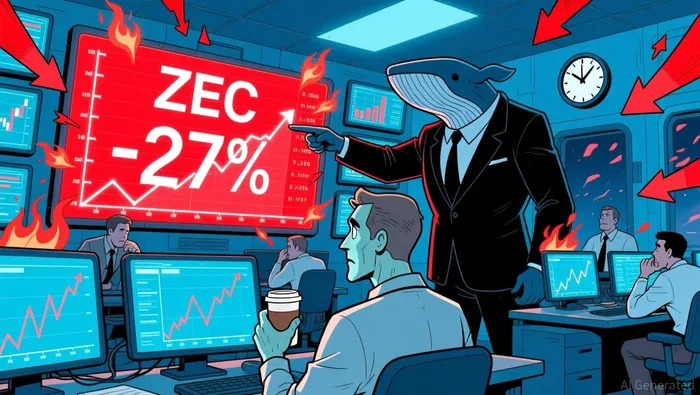
The resignation of the Zcash core development team has had immediate implications for the market and the project's future. ZEC prices dropped over 27% in 24 hours following the announcement, with analysts predicting a potential drop to the $55 range. The decline was accelerated by whale activity, with $35 million worth of ZEC transferred to Binance and 200,000 tokens withdrawn from shielded pools.
The governance crisis in Zcash has raised questions about the sustainability of privacy-focused blockchain projects. Zcash's founder, Zooko Wilcox, affirmed that the network remains secure and open-source, but acknowledged the broader concerns about managing such projects. The market reaction highlighted the importance of clear communication in maintaining investor confidence.
The launch of a new for-profit company called cashZ has been positioned as a potential solution to the governance issues. The new company aims to address the flaws in the existing governance model with agile structures and enhanced privacy features. The success of cashZ will depend on its adoption rates and ability to navigate regulatory challenges.
The resignation of the Zcash core team has also had broader implications for the cryptocurrency market. The event has been seen as a cautionary tale for investors, emphasizing the risks associated with governance instability in non-Bitcoin projects. The market's reaction to the news has been mixed, with some analysts predicting a rebound in ZEC prices as the team clarifies its intentions.
What Is the Future of Zcash and Its Ecosystem?
The future of Zcash and its ecosystem remains uncertain following the resignation of the core development team. The team has emphasized that the Zcash protocol and network remain fully operational and open-source. However, the governance issues have raised questions about the project's long-term sustainability and the ability to maintain its privacy features.
The launch of a new for-profit company called cashZ has been positioned as a potential solution to the governance issues. The new company aims to address the flaws in the existing governance model with agile structures and enhanced privacy features. The success of cashZ will depend on its adoption rates and ability to navigate regulatory challenges.
The Zcash community now faces the challenge of coordinating the project's future without the original core development team. The governance dispute has highlighted the broader concerns about how privacy-focused blockchain projects should be structured and managed. The community will need to find ways to ensure the project's continued development and adoption rates.
The market's reaction to the news has been mixed, with some analysts predicting a rebound in ZEC prices as the team clarifies its intentions. The success of Zcash in the coming months will depend on its ability to adapt to the changing governance landscape and maintain its position in the privacy coin market.






Comentarios
Aún no hay comentarios