
Yuan Under Pressure: China's Currency Woes Amidst Economic Uncertainty
Generado por agente de IAWesley Park
miércoles, 11 de diciembre de 2024, 10:09 pm ET1 min de lectura
The Chinese yuan has been under significant pressure in recent weeks, with the currency depreciating against the U.S. dollar. This development has raised concerns about China's economic outlook and the potential impact on global markets. In this article, we will explore the factors contributing to the yuan's depreciation and its implications for China and the world.
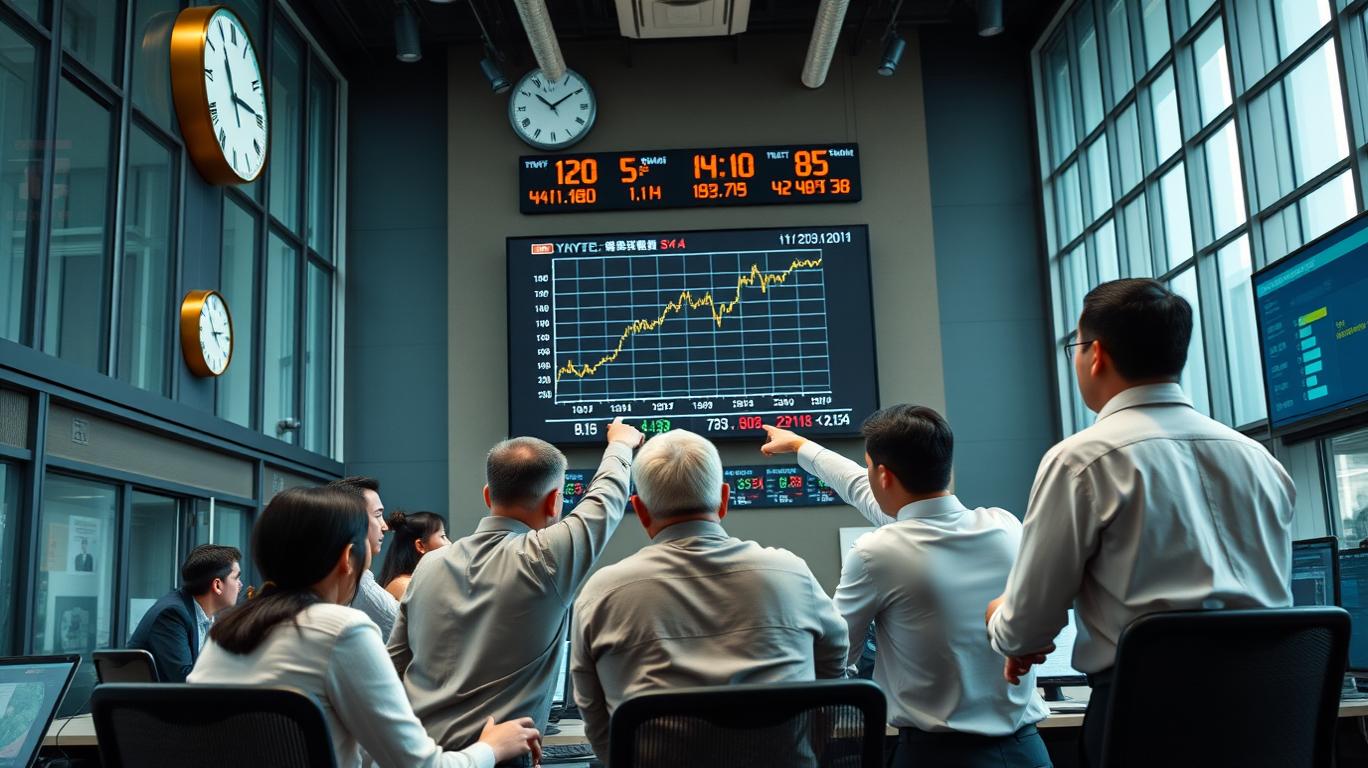
One of the primary factors driving the yuan's depreciation is the widening interest rate differential between the United States and China. The Federal Reserve has been aggressively raising interest rates to combat inflation, while the People's Bank of China (PBoC) has maintained a more accommodative monetary policy to support economic growth. This differential attracts capital inflows into the U.S., driving up the dollar and putting downward pressure on the yuan.
Expectations of a delayed and more gradual easing cycle by the Fed have also contributed to the yuan's depreciation. Investors anticipate that the Fed will maintain higher interest rates for a more extended period, further widening the interest rate differential with China. This expectation attracts investors to U.S. bond markets, increasing demand for dollars and putting additional downward pressure on the yuan.
A weaker yuan would enhance China's export competitiveness by making its goods cheaper for foreign buyers, potentially boosting exports. However, it would also increase import costs, which could lead to higher prices for consumers and businesses in China. The impact on China's trade balance and bilateral trade relations with major partners like the U.S. and EU would depend on the extent of the yuan's depreciation and the response from trading partners.
In conclusion, the yuan's depreciation is a complex issue driven by various factors, including the interest rate differential, expectations of the Fed's monetary policy, and the potential impact on China's trade balance. As the situation evolves, investors and policymakers should closely monitor the developments in the Chinese economy and the global markets. A balanced approach to managing the yuan's exchange rate, combined with targeted economic policies, will be crucial for China to navigate the challenges ahead and maintain a stable economic outlook.



Divulgación editorial y transparencia de la IA: Ainvest News utiliza tecnología avanzada de Modelos de Lenguaje Largo (LLM) para sintetizar y analizar datos de mercado en tiempo real. Para garantizar los más altos estándares de integridad, cada artículo se somete a un riguroso proceso de verificación con participación humana.
Mientras la IA asiste en el procesamiento de datos y la redacción inicial, un miembro editorial profesional de Ainvest revisa, verifica y aprueba de forma independiente todo el contenido para garantizar su precisión y cumplimiento con los estándares editoriales de Ainvest Fintech Inc. Esta supervisión humana está diseñada para mitigar las alucinaciones de la IA y garantizar el contexto financiero.
Advertencia sobre inversiones: Este contenido se proporciona únicamente con fines informativos y no constituye asesoramiento profesional de inversión, legal o financiero. Los mercados conllevan riesgos inherentes. Se recomienda a los usuarios que realicen una investigación independiente o consulten a un asesor financiero certificado antes de tomar cualquier decisión. Ainvest Fintech Inc. se exime de toda responsabilidad por las acciones tomadas con base en esta información. ¿Encontró un error? Reportar un problema


SOBRE NOSOTROS
Nuestra historiaAutores de noticiasBase de conocimientosPolítica de privacidadTérmino de usoDescargo de responsabilidad de corretaje de tercerosTérminos de uso de AIMEDivulgaciones de riesgos de AInvest AICarrerasCONTÁCTENOS
Email: support@ainvest.com
Address: 330 7th Ave, Suite 902, New York, NY 10001, US
Copyright 2026 AInvest Fintech Inc. All rights reserved.


Comentarios
Aún no hay comentarios