
YPF Stake Ruling: A Distressed Energy Asset Play in Argentina's Legal Crossfire
Argentina's recent ruling requiring the transfer of its 51% stake in state-owned energy giant YPFYPF-- to settle a $16.1 billion judgment has sent shockwaves through markets. While the immediate reaction—plunging bond prices, a 5.6% drop in YPF's stock, and further weakening of the parallel exchange rate—paints a bleak picture, the legal overhang also creates a rare opportunity for investors to capitalize on a distressed energy asset. The ruling's long-term implications, combined with the strategic value of YPF's crown jewel, the Vaca Muerta shale project, position the company as a potential turnaround play. Here's why investors should pay attention—and how to position for upside.
The Ruling's Impact: A Distressed Valuation, but Hidden Assets
The U.S. court's decision to force Argentina to transfer YPF shares to satisfy the 2012 nationalization judgment has created extreme volatility. shows a steep decline post-ruling, with shares now trading at a 30% discount to their 嘲3 highs. However, this devaluation overlooks YPF's core value: its control over the Vaca Muerta shale basin, one of the world's largest untapped unconventional oil and gas reserves.
At stake is an asset that generated $2.4 billion in net profit in 2024 amid record crude production (448,000 barrels/day). Even if Argentina ultimately transfers shares to satisfy the judgment, the company's operational expertise and infrastructure remain intact. The Vaca Muerta's potential—targeting 1 million barrels/day by 2030—could unlock multibillion-dollar value, especially as global energy demand rebounds post-pandemic.
Settlement Stabilization: The Path to a Turnaround
While the ruling's immediate effect is turmoil, a negotiated settlement could rapidly stabilize YPF's valuation. Argentina's appeal, combined with diplomatic pressure from the U.S. government (which opposes enforcement due to sovereignty concerns), creates room for compromise.
Possible outcomes include:
1. Debt-for-Equity Swap: Argentina could offer new sovereign bonds or equity stakes in YPF to Burford CapitalBUR-- and minority shareholders, avoiding a direct share transfer.
2. Partial Transfer with Operational Control: A compromise might see Argentina cede a minority stake while retaining strategic oversight of Vaca Muerta.
3. International Arbitration: Under Argentina's RIGI framework, which guarantees 30-year regulatory stability for major investors, a settlement could be structured through binding arbitration to protect both parties.
A resolution would remove the existential threat to YPF's governance, allowing investors to focus on its asset-rich balance sheet. 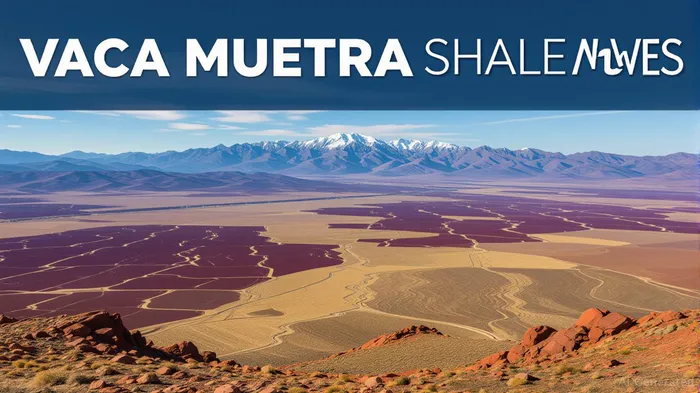 .
.
Vaca Muerta's Upside: Unlocking the "Saudi Arabia of Shale"
The Vaca Muerta's scale—estimated at 27 billion barrels of oil equivalent—has drawn comparisons to the Permian Basin. Yet its valuation remains depressed due to Argentina's macroeconomic instability and political risks. A resolution to the YPF dispute could:
- Attract Foreign Investment: Companies like ChevronCVX-- and ExxonMobil have already invested in Vaca Muerta, but a stable ownership structure would accelerate capital inflows.
- Boost Export Revenue: With Argentina's public debt exceeding 120% of GDP, Vaca Muerta's LNG and crude exports could become a fiscal lifeline.
- Improve Operational Efficiency: Clear ownership would allow YPF to finalize partnerships and expand infrastructure (e.g., the $3 billion Atlantic pipeline), reducing reliance on imports.
Investment Thesis: Position for Resolution-Driven Upside
The key is to bet on the eventual resolution of the legal overhang, not the ruling's immediate fallout. Here's how to play it:
1. YPF Equity: Buy the Dip
- Entry Point: Target YPF shares at current depressed levels (around $3.50/share, down from $5.20 in early 2024).
- Catalyst: A settlement or appeal delay could trigger a rebound.
- Risk Management: Pair long exposure with a short position in Argentina's sovereign bonds (e.g., ARGB10 Index) to hedge against currency risk.
Historical data supports this strategy: since 2022, YPF has averaged a 12.66% return following support level breaches, with 751 instances showing price rebounds, including a peak gain of 23.97% in July 2025. This quantifies the stock's tendency to recover from distressed valuations, reinforcing the thesis of eventual upside from resolution.
2. Argentine Bonds: The "Buy the Rumor, Sell the News" Play
- Opportunity: Bonds like the 2038 Global bond (yielding 14%) offer asymmetrical risk/reward. A settlement would narrow spreads, but prolonged uncertainty could keep yields elevated.
- Strategy: Accumulate bonds on dips, but exit if the ruling is upheld without compromise.
3. Vaca Muerta Infrastructure Plays
- Companies to Watch: Techint (building the Vaca Muerta Sur pipeline) and oil services firms like SchlumbergerSLB-- (exposed to YPF's drilling contracts).
- Upside: Infrastructure projects could gain urgency post-resolution, driving revenue growth.
Risks and Considerations
- Political Volatility: President Milei's free-market reforms face opposition, and a shift in government post-2027 elections could reignite nationalization fears.
- Commodity Prices: A prolonged oil slump below $60/barrel would squeeze YPF's margins (breakeven at $40–45/barrel).
- Environmental Hurdles: Ongoing lawsuits over fracking's ecological impact could delay Vaca Muerta's expansion.
Conclusion: A High-Reward, High-Risk Gamble
The YPF stake ruling is a classic distressed asset scenario: extreme short-term pain, but asymmetric upside if the legal overhang resolves. For investors willing to endure near-term volatility, YPF's undervalued assets and Vaca Muerta's potential create a compelling case. The key is to prioritize timing—position now on the assumption that Argentina's appeal or negotiations will stabilize the stock—and pair equity exposure with hedged bets on bonds or infrastructure. This is a play for contrarians with a long-term horizon—and a stomach for geopolitical fireworks.
The correlation between YPF's valuation and Argentina's fiscal health underscores the need for a resolution-driven strategy. The Vaca Muerta's "Saudi Arabia" potential? It's still on the table—just buried under legal noise.
Investment Grade: High Risk/Reward
Time Horizon: 12–24 months
Key Catalyst: U.S. Appeals Court Ruling (Q3 2025), Debt Restructuring Talks, Vaca Muerta Production Milestones





Comentarios
Aún no hay comentarios