
New York Times Sues Perplexity AI Over Content Scraping, Spurring Industry Legal Wave
The New York Times has filed a lawsuit against Perplexity AI, alleging that the startup unlawfully copied and distributed millions of its articles without permission. The lawsuit, filed in the U.S. District Court for the Southern District of New York, claims that Perplexity's AI products generated responses that were either identical or substantially similar to the Times' content. The lawsuit marks the latest escalation in a broader legal battle between traditional media companies and AI startups over the use of copyrighted material.
The Times claims that Perplexity's business model relies on scraping and repackaging content, including material from the newspaper's paywalled sections. It also accuses the AI firm of fabricating content and falsely attributing it to the Times by displaying it alongside the newspaper's trademarks. A spokesperson for the Times emphasized that while the company supports ethical AI development, it "firmly object[s] to unlicensed use of our content" according to reports.
Perplexity, which has raised over $1.5 billion in funding, dismissed the lawsuit as an outdated tactic used by publishers to hinder emerging technologies. The startup previously stated that its AI tools do not scrape data for building foundational models but instead index web pages and provide factual citations. 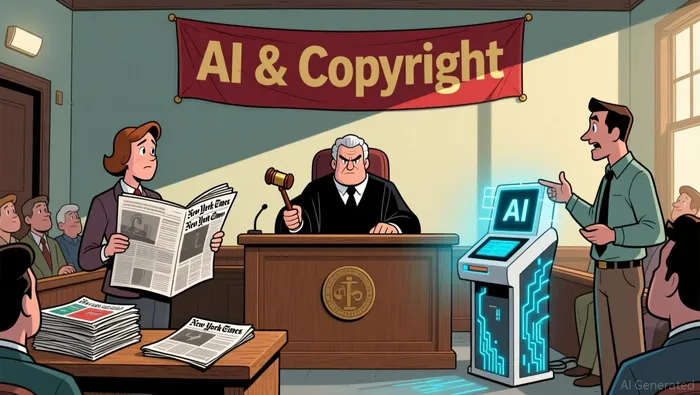 Despite these claims, the Times is seeking damages, injunctive relief, and other remedies to halt the alleged unauthorized use of its content.
Why the Standoff Happened
The lawsuit comes as part of a broader conflict between publishers and AI companies over data usage rights. The Times has previously faced similar legal disputes, including an ongoing case against OpenAI and Microsoft over the use of its content in training AI models. The case against Perplexity is the latest in a string of legal actions targeting AI startups accused of bypassing web standards meant to prevent unauthorized data scraping according to industry analysis. The New York TimesNYT-- first issued a cease-and-desist notice to Perplexity in October 2024, followed by another in July 2025 as reported.
The lawsuit also highlights the growing tensions in the AI industry, where companies rely heavily on large datasets to train their models. While some publishers, like the Times, demand compensation and licensing agreements, others have allowed AI firms to use their content under certain conditions. For example, the Times has permitted Amazon to use its editorial content for products like Alexa. The contrast in approaches reflects the lack of a unified framework for data usage in the AI space.
How Markets Reacted
The Times' lawsuit has sparked mixed reactions across the market and media industries. Shares of the New York Times rose by 1.5% following the filing, signaling investor support for the company's aggressive stance. Perplexity, valued at around $20 billion, has become a central figure in this legal battle and faces similar suits from other major media outlets, including the Chicago Tribune, Dow Jones, and the New York Post.
The AI industry remains divided on how to handle content licensing. Some startups, like Anthropic, have settled legal disputes by offering large sums in compensation, while others, including Perplexity, continue to defend their practices as lawful. The outcome of the Times' lawsuit could set a legal precedent for future disputes and influence how AI companies approach content acquisition and usage.
What Analysts Are Watching
Analysts are closely monitoring the case to assess its broader implications for the AI sector and the media industry. The lawsuit could prompt increased regulatory scrutiny and force AI companies to adopt more transparent data practices. Additionally, the Times' decision to pursue legal action may embolden other publishers to take similar steps, potentially leading to a wave of litigation.
The legal battle also raises questions about the balance between innovation and intellectual property rights. While AI startups argue that training models on publicly available data is necessary for progress, publishers counter that such practices devalue their work and undermine revenue models. The resolution of the Times' case could shape the future of content licensing and AI development for years to come.







Comentarios
Aún no hay comentarios