
New York Proposes Crypto Task Force to Study Revenue, Environment
New York State Senator James Sanders Jr. has introduced a bill to create a 17-member crypto task force, aiming to study the impact of digital assets on state revenue and the environment. The task force, if established, would be the third attempt at such an initiative in New York since 2019. The proposed panel would examine various aspects of cryptocurrency's influence on the state, including its effects on tax revenue, environmental impact, and market transparency. Their findings are expected by the end of 2027.
The bill, currently under review by a Senate committee, calls for the creation of a 17-member panel composed of representatives from the Department of Financial Services, environmental conservation groups, and academic experts in economics. Members would not receive payment for their service but would get reimbursement for expenses related to their duties. If approved, the bill requires member appointments within 90 days of becoming effective.
New York maintains some of the most stringent cryptocurrency regulations in the United States through its BitLicense framework, established in 2015. This system, overseen by the state's Department of Financial Services, requires cryptocurrency businesses to obtain either a BitLicense or a limited-purpose trust charter to operate within the state. While these strict requirements have created barriers for many cryptocurrency companies, some firms have successfully obtained approval, such as Anchorage Digital.
The proposed task force would examine New York's position among 20 other U.S. states currently considering cryptocurrency investment legislation. According to Matthew Sigel, head of digital assets research at VanEck, these combined state efforts could potentially drive $23 billion in Bitcoin demand. Sanders emphasized New York's competition with other global financial centers and the importance of maintaining the state's "position as a fiscal leader."
The senator pointed to blockchain technology's effects on innovation, employment, economic growth, and environmental issues as key areas for study. He suggested that findings could help "supplement the BitLicense with the correct legislative framework." This latest proposal follows two previous attempts to establish similar initiatives, both of which faced challenges and ultimately failed to materialize.
The proposed task force would need to deliver its findings on cryptocurrency's impact on state revenue and environmental concerns by the end of 2027. These results could shape how New York approaches digital asset regulation in the future. If approved, the initiative would represent New York's most recent 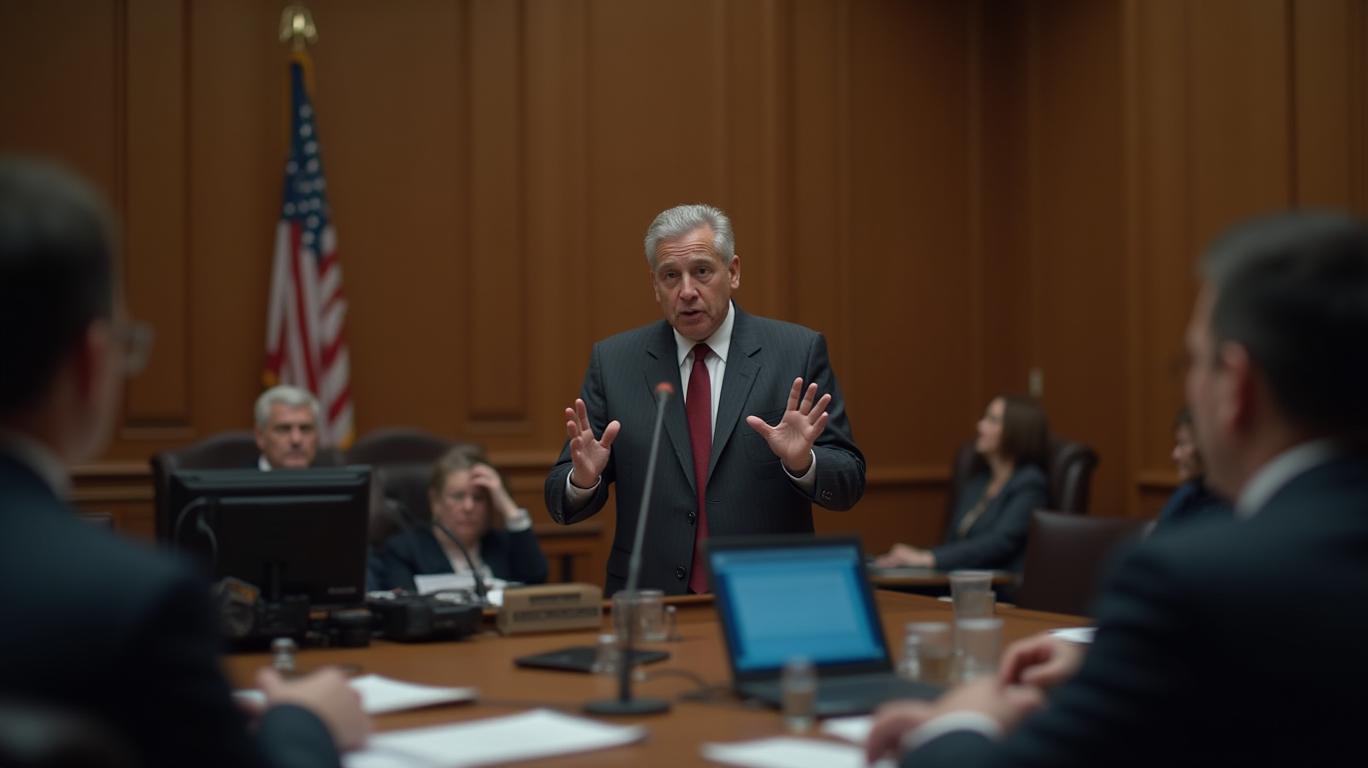





Comentarios
Aún no hay comentarios