
Six Years Post Fatal Disaster, Mines Embrace Global Waste-Dam Body Innovations
Generado por agente de IACyrus Cole
martes, 21 de enero de 2025, 2:52 am ET1 min de lectura
WM--
In the wake of fatal disasters such as the Samarco dam failure in Brazil in 2015 and the Brumadinho dam collapse in 2019, the mining industry has been increasingly focusing on improving waste management strategies to enhance safety and sustainability. Six years later, mines around the world are adopting innovative technologies and practices to mitigate risks and minimize environmental impact.
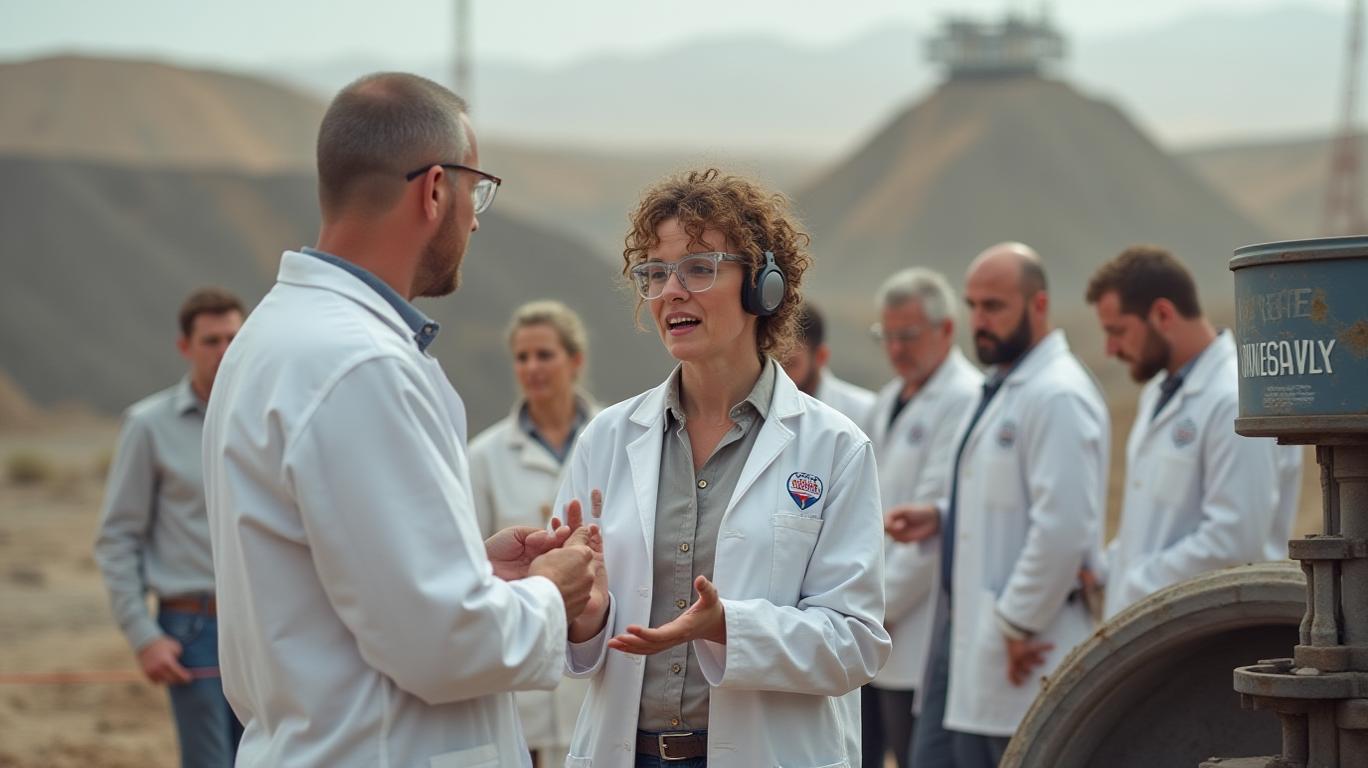
One of the key areas of focus has been tailings management, which involves the handling, storage, and disposal of fine waste materials generated during mineral processing. Mines are now exploring alternative tailings management methods, such as paste thickening and filtration, to reduce the volume of tailings and minimize environmental impact. Additionally, stricter regulations and guidelines for tailings management, such as the Global Tailings Review, are being implemented to establish a global standard for tailings management.
Another significant development is the growing adoption of waste-to-resource initiatives. Mining companies are exploring ways to convert waste materials into valuable products, reducing the volume of waste and generating additional revenue. Examples include reprocessing tailings to recover valuable minerals, using waste materials as construction materials, and implementing bioremediation techniques to stabilize hazardous waste components.
Moreover, mines are placing greater emphasis on environmental monitoring and reporting to ensure the long-term stability of waste disposal facilities and to maintain regulatory compliance. This includes adopting short- and long-term environmental monitoring strategies, developing comprehensive mine waste storage proposals, and enhancing transparency and accountability through improved reporting on environmental performance and waste management practices.
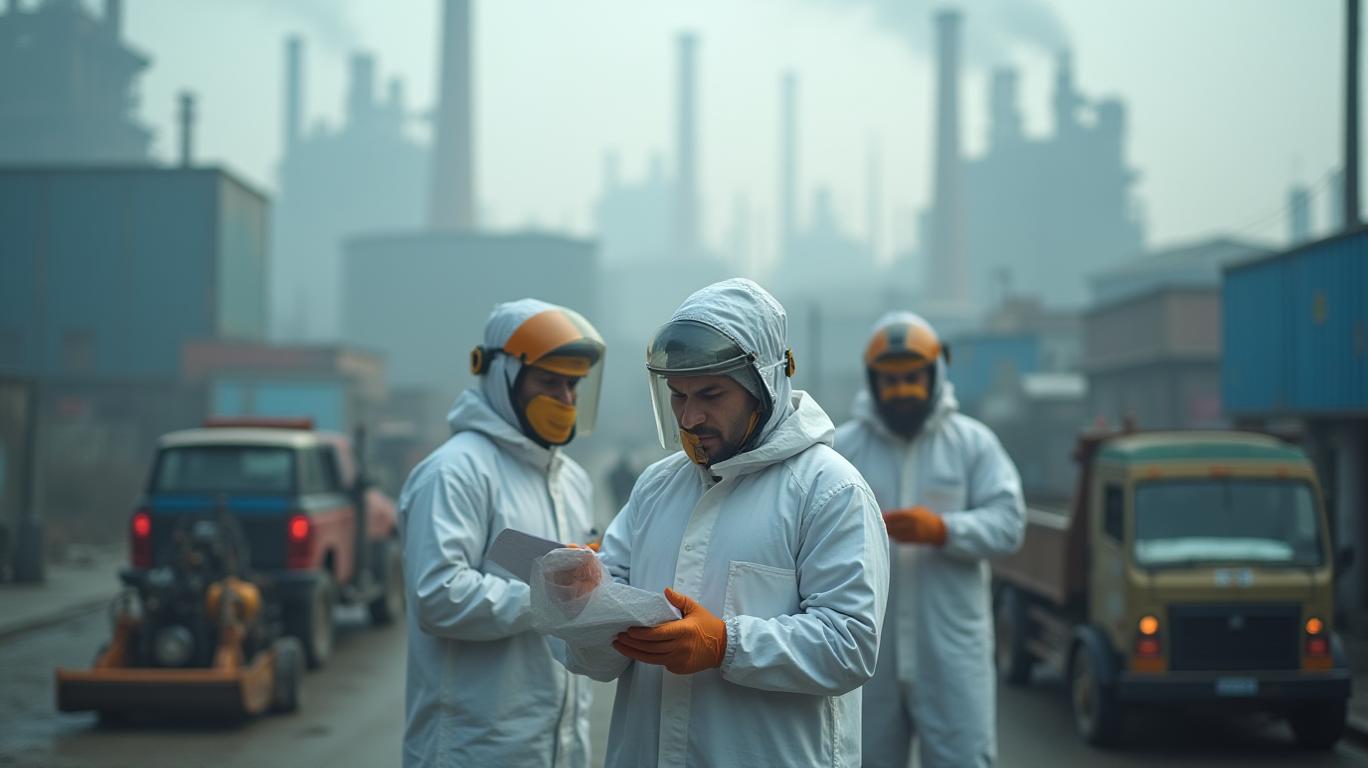
Community engagement and collaboration have also become increasingly important in waste management strategies. Mining companies are working more closely with local communities and other stakeholders to address concerns about mining waste and to develop sustainable solutions. This includes engaging with local communities to understand their needs and concerns, collaborating with environmental organizations and other stakeholders to stay aligned with best practices, and investing in research and development for new technologies and strategies to improve waste management and reduce environmental impact.
In conclusion, the mining industry has made significant strides in waste management strategies over the past six years, particularly in response to fatal disasters. By embracing innovative technologies and practices, mines around the world are enhancing safety and sustainability, minimizing environmental impact, and contributing to a more responsible and resource-efficient mining sector. Continued research and collaboration among stakeholders will be crucial in further developing and implementing effective waste management solutions, ultimately paving the way for a more sustainable future.
In the wake of fatal disasters such as the Samarco dam failure in Brazil in 2015 and the Brumadinho dam collapse in 2019, the mining industry has been increasingly focusing on improving waste management strategies to enhance safety and sustainability. Six years later, mines around the world are adopting innovative technologies and practices to mitigate risks and minimize environmental impact.
One of the key areas of focus has been tailings management, which involves the handling, storage, and disposal of fine waste materials generated during mineral processing. Mines are now exploring alternative tailings management methods, such as paste thickening and filtration, to reduce the volume of tailings and minimize environmental impact. Additionally, stricter regulations and guidelines for tailings management, such as the Global Tailings Review, are being implemented to establish a global standard for tailings management.
Another significant development is the growing adoption of waste-to-resource initiatives. Mining companies are exploring ways to convert waste materials into valuable products, reducing the volume of waste and generating additional revenue. Examples include reprocessing tailings to recover valuable minerals, using waste materials as construction materials, and implementing bioremediation techniques to stabilize hazardous waste components.
Moreover, mines are placing greater emphasis on environmental monitoring and reporting to ensure the long-term stability of waste disposal facilities and to maintain regulatory compliance. This includes adopting short- and long-term environmental monitoring strategies, developing comprehensive mine waste storage proposals, and enhancing transparency and accountability through improved reporting on environmental performance and waste management practices.
Community engagement and collaboration have also become increasingly important in waste management strategies. Mining companies are working more closely with local communities and other stakeholders to address concerns about mining waste and to develop sustainable solutions. This includes engaging with local communities to understand their needs and concerns, collaborating with environmental organizations and other stakeholders to stay aligned with best practices, and investing in research and development for new technologies and strategies to improve waste management and reduce environmental impact.
In conclusion, the mining industry has made significant strides in waste management strategies over the past six years, particularly in response to fatal disasters. By embracing innovative technologies and practices, mines around the world are enhancing safety and sustainability, minimizing environmental impact, and contributing to a more responsible and resource-efficient mining sector. Continued research and collaboration among stakeholders will be crucial in further developing and implementing effective waste management solutions, ultimately paving the way for a more sustainable future.

Divulgación editorial y transparencia de la IA: Ainvest News utiliza tecnología avanzada de Modelos de Lenguaje Largo (LLM) para sintetizar y analizar datos de mercado en tiempo real. Para garantizar los más altos estándares de integridad, cada artículo se somete a un riguroso proceso de verificación con participación humana.
Mientras la IA asiste en el procesamiento de datos y la redacción inicial, un miembro editorial profesional de Ainvest revisa, verifica y aprueba de forma independiente todo el contenido para garantizar su precisión y cumplimiento con los estándares editoriales de Ainvest Fintech Inc. Esta supervisión humana está diseñada para mitigar las alucinaciones de la IA y garantizar el contexto financiero.
Advertencia sobre inversiones: Este contenido se proporciona únicamente con fines informativos y no constituye asesoramiento profesional de inversión, legal o financiero. Los mercados conllevan riesgos inherentes. Se recomienda a los usuarios que realicen una investigación independiente o consulten a un asesor financiero certificado antes de tomar cualquier decisión. Ainvest Fintech Inc. se exime de toda responsabilidad por las acciones tomadas con base en esta información. ¿Encontró un error? Reportar un problema


SOBRE NOSOTROS
Nuestra historiaAutores de noticiasBase de conocimientosPolítica de privacidadTérmino de usoDescargo de responsabilidad de corretaje de tercerosTérminos de uso de AIMEDivulgaciones de riesgos de AInvest AICarrerasCONTÁCTENOS
Email: support@ainvest.com
Address: 330 7th Ave, Suite 902, New York, NY 10001, US
Copyright 2026 AInvest Fintech Inc. All rights reserved.


Comentarios
Aún no hay comentarios