
XRP News Today: Ripple SEC Settlement Proposal Seeks 60% Penalty Reduction
The legal dispute between Ripple and the U.S. Securities and Exchange Commission (SEC) has taken a new turn, with pro-XRP lawyer John Deaton providing insights into the latest developments. The SEC has proposed a settlement that includes reducing Ripple's penalty from $125 million to $50 million and seeking the removal of an injunction that has been a central issue in the case. This injunction, if removed, would allow Ripple to operate more freely in the market, potentially resolving a significant point of contention.
Judge Analisa Torres, who has been overseeing the case, initially pushed back against the proposed settlement. According to Deaton, the judge cited the wrong legal rule and noted that the parties had not demonstrated "exceptional circumstances" to justify reversing her previous decision. This response underscores the complexity of the case and the high stakes involved, as the judge has invested considerable time and resources into the proceedings over the past 4.5 years.
Despite the judge's initial resistance, Deaton remains optimistic about the chances of a settlement being approved. He estimates a 70% likelihood that the judge will eventually greenlight the deal, provided that both sides can present a compelling argument. The key for both the SEC and Ripple will be to demonstrate how the settlement serves not only their private interests but also the broader public interest, including protecting other crypto investors and companies. Additionally, they must convince the judge that settling now would save time, money, and resources for the courts and avoid the risks associated with further appeals.
The outcome of this case is crucial for the cryptocurrency industry, as it could set a precedent for how digital assets are regulated. If the injunction is removed and the fine is reduced, Ripple would avoid a more substantial penalty, while the SEC would mitigate the risk of a total loss on appeal. Importantly, the case would officially close without affecting Judge Torres' earlier ruling that XRP itself is not a security in the U.S. This ruling would still stand, meaning that crypto companies would continue to be subject to U.S. securities laws.
Deaton's analysis highlights the significance of this legal battle, which has been one of the most important for crypto regulation in the U.S. The proposed settlement, if approved, could bring much-needed legal clarity to the XRP community and the broader cryptocurrency industry. As the legal process continues, the industry awaits the final decision, which could have far-reaching implications for the future of digital currencies and their regulatory treatment. 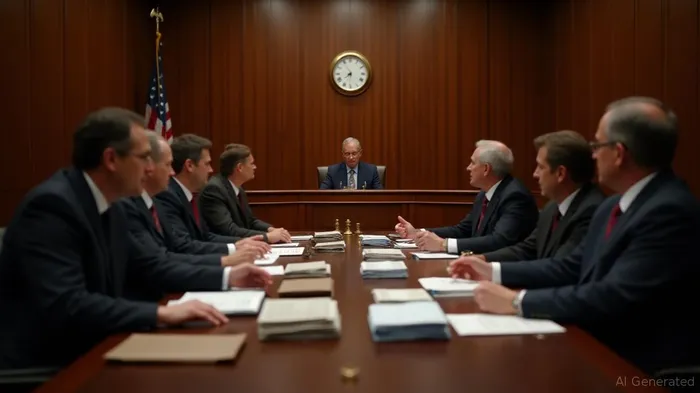






Comentarios
Aún no hay comentarios