
XRP News Today: Ripple Pushes RLUSD to Ethereum L2s to Fuel DeFi Growth
Ripple has announced its expansion of Ripple USD (RLUSD) to EthereumETH-- layer-2 (L2) blockchains, including OptimismOP-- and Coinbase's Base. The move is part of the company's broader strategy to integrate the stablecoin into the growing multichain ecosystem. By leveraging Wormhole's Native Token Transfer (NTT) standard, RLUSD will be able to move natively across chains without requiring wrapping or synthetic assets according to a report.
The stablecoin expansion is set to begin with a test phase, with a wider public rollout expected next year. This phase will require regulatory approval from the New York Department of Financial Services (NYDFS). Ripple's initiative aims to support a range of decentralized finance (DeFi) use cases while preserving liquidity and regulatory oversight based on data.
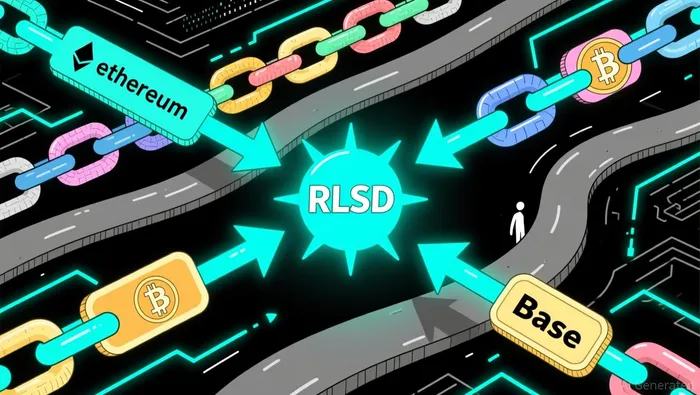
The expansion underscores the increasing importance of stablecoins in bridging traditional finance and the crypto economy. With a total supply of over $1 billion, RLUSD has already gained significant traction since its launch. Ripple is positioning it as a foundational asset for cross-chain transactions and DeFi activities as research shows.
Strategic Expansion into Layer 2 Ecosystems
Ripple's decision to expand RLUSD to Ethereum L2s like Optimism, Base, Kraken's Ink, and Uniswap's Unichain reflects a strategic move to tap into a larger user base and DeFi ecosystem. These platforms are among the most active in the space, and the integration will facilitate faster and more cost-effective transactions.
The company is also deploying a wrapped version of XRPXRP-- (wXRP) alongside RLUSD on these L2s. This will create new trading pairs and collateral options within DeFi applications, making it easier for users to interact with XRP-based assets. The addition of wXRP enhances the utility of Ripple's ecosystem within the Ethereum environment according to industry analysis.
Regulatory Considerations and Market Implications
Regulatory approval remains a key hurdle for Ripple before a full public launch can proceed. The company has already secured conditional approval for a national trust bank charter from the U.S. Office of the Comptroller of the Currency (OCC). This dual regulatory oversight-both at the state and federal levels-positions RLUSD as a stablecoin with a unique compliance framework according to regulatory filings.
The move to L2s is expected to benefit both institutional and retail participants. By expanding liquidity across multiple chains, Ripple is addressing a growing demand for efficient, low-cost cross-chain solutions. This could enhance the appeal of RLUSD for DeFi protocols and institutional investors seeking reliable on-ramp and off-ramp options.
Future Outlook and Risks
While the expansion is seen as a positive step for Ripple's market presence, it also comes with potential risks. The regulatory environment for stablecoins and cross-chain assets remains complex and evolving. Any delays or changes in regulatory requirements could impact the timeline for a full rollout according to market analysis.
Analysts are watching closely how this integration will affect competition within the stablecoin space. With a $300 billion market size, stablecoins are a critical component of digital finance. Ripple's expansion into Ethereum L2s could help solidify RLUSD's position as a key player in this sector as industry reports indicate.
What This Means for Investors
For investors, the expansion represents a strategic effort to diversify Ripple's offerings and increase the utility of its assets. By entering the L2 space, Ripple is not only expanding its market reach but also reinforcing its commitment to regulatory compliance and technological innovation.
As the crypto industry continues to evolve, the ability to operate seamlessly across multiple chains is becoming increasingly important. Ripple's move to leverage Wormhole's NTT standard positions it well for the future of multichain finance according to industry experts.





Comentarios
Aún no hay comentarios