
XRP as the 2011 Bitcoin: A Long-Term Opportunity in a Regulated Era
Regulatory Foundations: From Wild West to Institutional Playbook
Bitcoin's 2011 cycle thrived in a regulatory gray zone. While this ambiguity fueled rapid adoption, it also bred volatility and skepticism. Fast-forward to 2025, and XRP operates under a vastly different paradigm. Ripple's strategic acquisition of GTreasury and its partnership with Evernorth-a subsidiary of UnitedHealth Group-signal a deliberate pivot toward institutional-grade compliance, according to a Coinedition analysis. These moves mirror Bitcoin's 2011 adoption by early adopters like PayPal and e-commerce platforms, but with a modern twist: XRP is being integrated into existing financial systems rather than competing with them.
Regulatory clarity has become XRP's greatest asset. Unlike Bitcoin's 2011 era, where the SEC and other agencies were still grappling with crypto's implications, XRP now benefits from a defined legal framework in jurisdictions like the U.S. and Singapore. This clarity attracts institutional capital, which is critical for sustained growth. As reported by Coinedition, XRP's market cap of $152.8 billion in 2025 reflects confidence in its regulated utility, particularly in cross-border settlements.
Utility-Driven Growth: Payments, Lending, and DeFi Synergy
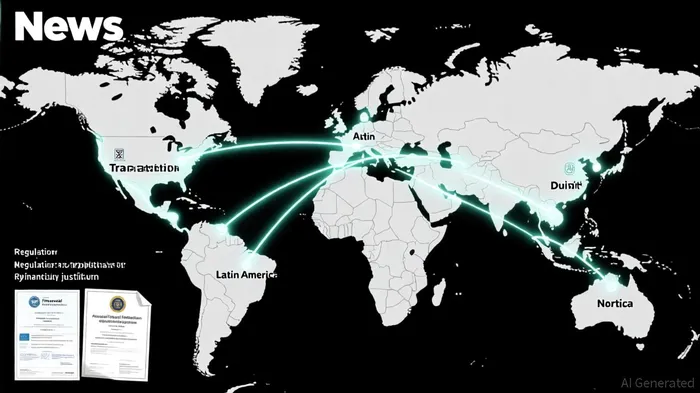
Bitcoin's 2011 price surge was largely speculative, driven by early adopters betting on its potential as digital gold. XRP, however, is building a parallel narrative rooted in utility. Its On-Demand Liquidity system has already been deployed in Asia and Latin America, enabling real-time, low-cost cross-border transactions for banks and payment providers, as Coinedition highlights. This isn't just theoretical value-it's operational value, with tangible revenue streams and recurring demand.
Moreover, XRP's role as a reserve asset is expanding. Ripple's partnerships with institutional players are unlocking use cases in lending, liquidity provisioning, and DeFi yield strategies. This mirrors Bitcoin's 2011 transition from a niche experiment to a store of value, but with a broader attack surface. For example, XRP's ability to tokenize assets and facilitate programmable money positions it to capture market share in emerging sectors like tokenized real estate and supply chain finance.
The 2011 Parallels: Adoption, Volatility, and the Long Game
Bitcoin's 2011 cycle saw its price peak at $31 before crashing to $2-a classic "bull trap." Yet, this volatility masked a deeper trend: adoption. Similarly, XRP's price in 2025 has faced headwinds, with long-term holders selling off 580 million tokens despite a $2.50 support level holding firm, Coinedition notes. This volatility is a feature, not a bug, as it weeds out speculative noise and rewards those who focus on fundamentals.
The key difference? XRP's adoption is no longer confined to retail traders. Over 300 financial institutions now rely on its infrastructure, creating a flywheel effect. Every transaction, every partnership, and every regulatory win reinforces XRP's network effect. This is the same dynamic that propelled BitcoinBTC-- in 2011, but with a more mature ecosystem backing it.
Challenges and Competition: Navigating the Privacy Paradox
Critics point to privacy-focused coins like ZcashZEC-- (ZEC), which has a $5.8 billion market cap and growing demand in surveillance-heavy environments. While Zcash's anonymity features are compelling, they also limit its institutional adoption. XRP's strength lies in its ability to operate within existing regulatory frameworks-a luxury privacy coins cannot afford.
The real competition isn't Zcash or Ethereum; it's the inertia of legacy financial systems. XRP's value proposition-fast, cheap, and compliant cross-border payments-directly challenges SWIFT and other outdated networks. As more institutions recognize this, XRP's utility-driven value accumulation will accelerate.
Conclusion: A Regulated Bull Case
Bitcoin's 2011 cycle was a prelude to its eventual dominance. XRP's 2025 trajectory is the next chapter in a similar story-but with a regulated, institutional-first approach. The market is already pricing in XRP's potential: its $152.8 billion market cap and strategic partnerships suggest a long-term holder's mindset is warranted.
For investors, the lesson is clear: utility and regulation are no longer mutually exclusive. XRP's ability to bridge the gap between decentralized innovation and institutional trust makes it a standout opportunity in a crypto landscape that's finally outgrowing its Wild West roots.






Comentarios
Aún no hay comentarios