
"Xpeng's $13.8 Billion Bet on Humanoid Robots: A Game Changer or a Risky Gambit?"
Generado por agente de IAHarrison Brooks
martes, 11 de marzo de 2025, 1:33 am ET2 min de lectura
XPEV--
In the rapidly evolving landscape of technology, few investments have the potential to reshape industries as dramatically as Xpeng's reported $13.8 billion foray into humanoid robots. This audacious move by the Chinese electric vehicle (EV) manufacturer is not just a diversification play; it's a strategic pivot that could either catapult XpengXPEV-- to the forefront of the robotics revolution or leave it grappling with the high costs and technological hurdles of an unproven market.
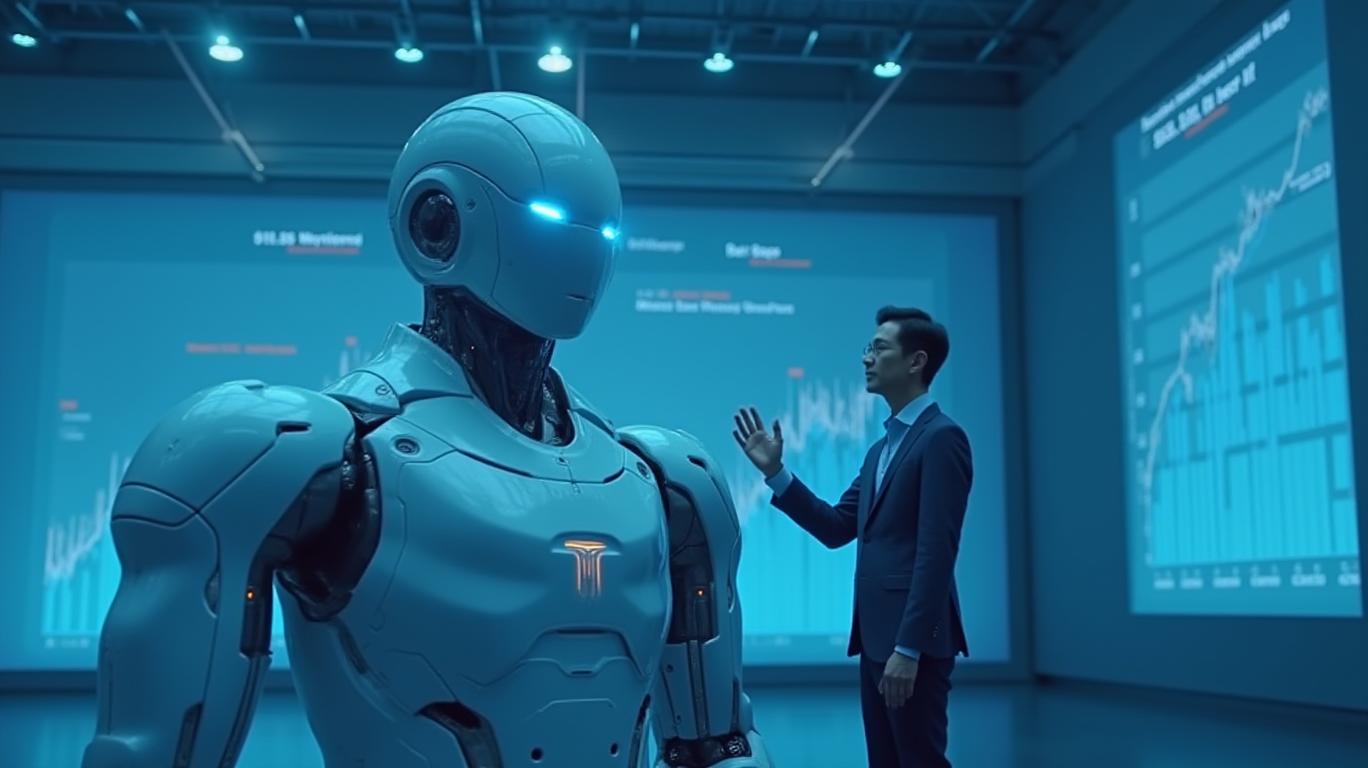
The global market for humanoid robots is forecast to reach $38 billion by 2035, a staggering sixfold increase from previous projections. This surge is driven by rapid advancements in artificial intelligence (AI) and a growing investment in the sector. Xpeng, with its deep pockets and expertise in AI and robotics, is positioning itself to capitalize on this burgeoning market. But the path to profitability is fraught with challenges, and the company's success will hinge on its ability to navigate these obstacles.
One of the most significant barriers to the widespread adoption of humanoid robots is the high cost of development and production. Despite a 40% reduction in manufacturing costs, the price tag for these machines remains steep, ranging from $30,000 to $150,000 per unit. Xpeng's investment could help drive down these costs through economies of scale and improved manufacturing techniques, but the company will need to tread carefully to avoid the pitfalls of overinvestment.
Another challenge is the technological hurdles that still need to be overcome. While significant progress has been made in AI and robotics, there are still bottlenecks in the development of software for robot manipulation and interaction. Xpeng will need to invest heavily in R&D to overcome these barriers and create humanoid robots that can interact naturally with humans and perform complex tasks.
Despite these challenges, Xpeng's investment in humanoid robots could have a profound impact on the global market dynamics. The company's entry into the market could accelerate technological advancements, increase competition, and drive down costs, making humanoid robots more accessible to a broader audience. This could have a particularly significant impact in regions like Asia and North America, where the humanoid robot market is already seeing substantial growth.
But Xpeng's investment is not without risks. The company is entering a market that is still in its infancy, and the viability of humanoid robots for mass production and consumer use has not yet been proven. Xpeng will need to conduct pilot projects and demonstrations to showcase the capabilities and benefits of humanoid robots in real-world scenarios and build market confidence.
In conclusion, Xpeng's $13.8 billion bet on humanoid robots is a bold and strategic move that could position the company as a leader in both the automotive and robotics industries. But the path to success is fraught with challenges, and the company will need to navigate these obstacles carefully to avoid the pitfalls of overinvestment and technological hurdles. Only time will tell whether Xpeng's investment will pay off, but one thing is clear: the company is betting big on the future of robotics, and the stakes could not be higher.
In the rapidly evolving landscape of technology, few investments have the potential to reshape industries as dramatically as Xpeng's reported $13.8 billion foray into humanoid robots. This audacious move by the Chinese electric vehicle (EV) manufacturer is not just a diversification play; it's a strategic pivot that could either catapult XpengXPEV-- to the forefront of the robotics revolution or leave it grappling with the high costs and technological hurdles of an unproven market.
The global market for humanoid robots is forecast to reach $38 billion by 2035, a staggering sixfold increase from previous projections. This surge is driven by rapid advancements in artificial intelligence (AI) and a growing investment in the sector. Xpeng, with its deep pockets and expertise in AI and robotics, is positioning itself to capitalize on this burgeoning market. But the path to profitability is fraught with challenges, and the company's success will hinge on its ability to navigate these obstacles.
One of the most significant barriers to the widespread adoption of humanoid robots is the high cost of development and production. Despite a 40% reduction in manufacturing costs, the price tag for these machines remains steep, ranging from $30,000 to $150,000 per unit. Xpeng's investment could help drive down these costs through economies of scale and improved manufacturing techniques, but the company will need to tread carefully to avoid the pitfalls of overinvestment.
Another challenge is the technological hurdles that still need to be overcome. While significant progress has been made in AI and robotics, there are still bottlenecks in the development of software for robot manipulation and interaction. Xpeng will need to invest heavily in R&D to overcome these barriers and create humanoid robots that can interact naturally with humans and perform complex tasks.
Despite these challenges, Xpeng's investment in humanoid robots could have a profound impact on the global market dynamics. The company's entry into the market could accelerate technological advancements, increase competition, and drive down costs, making humanoid robots more accessible to a broader audience. This could have a particularly significant impact in regions like Asia and North America, where the humanoid robot market is already seeing substantial growth.
But Xpeng's investment is not without risks. The company is entering a market that is still in its infancy, and the viability of humanoid robots for mass production and consumer use has not yet been proven. Xpeng will need to conduct pilot projects and demonstrations to showcase the capabilities and benefits of humanoid robots in real-world scenarios and build market confidence.
In conclusion, Xpeng's $13.8 billion bet on humanoid robots is a bold and strategic move that could position the company as a leader in both the automotive and robotics industries. But the path to success is fraught with challenges, and the company will need to navigate these obstacles carefully to avoid the pitfalls of overinvestment and technological hurdles. Only time will tell whether Xpeng's investment will pay off, but one thing is clear: the company is betting big on the future of robotics, and the stakes could not be higher.

Divulgación editorial y transparencia de la IA: Ainvest News utiliza tecnología avanzada de Modelos de Lenguaje Largo (LLM) para sintetizar y analizar datos de mercado en tiempo real. Para garantizar los más altos estándares de integridad, cada artículo se somete a un riguroso proceso de verificación con participación humana.
Mientras la IA asiste en el procesamiento de datos y la redacción inicial, un miembro editorial profesional de Ainvest revisa, verifica y aprueba de forma independiente todo el contenido para garantizar su precisión y cumplimiento con los estándares editoriales de Ainvest Fintech Inc. Esta supervisión humana está diseñada para mitigar las alucinaciones de la IA y garantizar el contexto financiero.
Advertencia sobre inversiones: Este contenido se proporciona únicamente con fines informativos y no constituye asesoramiento profesional de inversión, legal o financiero. Los mercados conllevan riesgos inherentes. Se recomienda a los usuarios que realicen una investigación independiente o consulten a un asesor financiero certificado antes de tomar cualquier decisión. Ainvest Fintech Inc. se exime de toda responsabilidad por las acciones tomadas con base en esta información. ¿Encontró un error? Reportar un problema


SOBRE NOSOTROS
Nuestra historiaAutores de noticiasBase de conocimientosPolítica de privacidadTérmino de usoDescargo de responsabilidad de corretaje de tercerosTérminos de uso de AIMEDivulgaciones de riesgos de AInvest AICarrerasCONTÁCTENOS
Email: support@ainvest.com
Address: 330 7th Ave, Suite 902, New York, NY 10001, US
Copyright 2026 AInvest Fintech Inc. All rights reserved.


Comentarios
Aún no hay comentarios