
Xos's Q1 2025 Earnings Miss: Temporary Setback or Structural Red Flag?
Xos, Inc. (NASDAQ: XOS) delivered a stark reminder this week of the risks inherent in scaling a nascent electric vehicle (EV) startup. The company’s Q1 2025 results—GAAP EPS of -$1.26 (vs. estimates of -$1.12) and revenue of $5.88 million (a 55% year-over-year decline)—have sparked debate about whether this is a fleeting stumble or a symptom of deeper operational or financial fragility. For investors, the answer hinges on three critical questions: Can XosXOS-- convert its strategic bets into cash flow? Is its liquidity position manageable? And does its business model hold up against rising industry pressures?
Revenue Collapse: Execution or Structural Issue?
Xos’s Q1 revenue missed estimates by $5.88 million, driven by a 55% YoY drop from $13.2 million in Q1 2024. While the company cited “seasonal delivery timing” and “strategic inventory buildup for UPS orders,” the results reveal a recurring theme: revenue volatility.
- Unit Deliveries: Only 29 vehicles were delivered in Q1, down from 62 in Q1 2024. However, Xos shipped 60 units, including 31 stripped chassis for UPS’s 193-vehicle order—a critical contract that could drive $30+ million in future revenue.
- Gross Margin Improvement: The company achieved a 20% gross margin, its first positive quarter in this metric, signaling manufacturing efficiencies. This contrasts sharply with Q1 2024’s 13% margin and Q4 2024’s -78% margin (due to inventory write-offs).
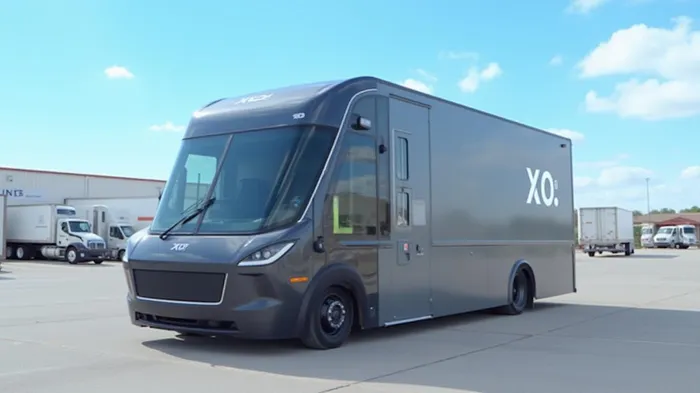
The UPS order is central to Xos’s 2025 outlook. If these stripped chassis are completed and recognized as revenue in Q2/Q3, it could single-handedly bridge the gap between current results and the company’s $50–$65.8 million full-year revenue target. However, execution risks remain: completing and delivering these vehicles requires flawless supply chain coordination, a challenge Xos has historically struggled with.
Liquidity Crisis or Strategic Bet?
The most alarming metric is Xos’s cash position: $4.8 million as of March 31, down from $47.3 million a year ago. This decline was intentional, per management, to fund a $38 million inventory buildup—up from $36.6 million in Q4—to support the UPS order and other deliveries. But the risks are clear:
- Burn Rate: Cash fell by 90% YoY, raising red flags about solvency. Even if Xos achieves its full-year revenue target, it would need to generate $50+ million from just three quarters—a steep climb.
- Debt and Financing: Xos has no debt but relies on equity markets for funding. With shares down 60% year-to-date, raising capital at favorable terms is increasingly difficult.
Operational Sustainability: Cost Discipline or Costly Overreach?
Xos has made strides in cutting costs: operating expenses fell 19.6% YoY, and non-GAAP losses narrowed to $8.1 million. However, these gains are overshadowed by:
- Inventory Mismanagement: $38 million in inventory, 70% of which is raw materials, suggests overstocking—a risky move if demand falters.
- Tariff Headwinds: Xos warned that 2025 tariffs on imported components (e.g., batteries) could add $2–$3 million in costs, further squeezing margins.
Competitive and Macro Risks: Can Xos Outrun the Pack?
The EV sector is becoming a battleground. Competitors like Arrival (ARVL) and Nikola (NKLA) have faced similar liquidity challenges, while Tesla’s (TSLA) dominance in scaling production looms large. Xos’s niche in medium-duty commercial EVs (e.g., UPS’s order) offers a potential edge, but its execution must improve:
- State Incentives: Xos is relying on state-level tax credits in California, Texas, and others to offset federal policy uncertainty. But delays in collecting $25 million in incentives highlight cash flow risks.
- Unit Growth: Deliveries of 320–420 units in 2025 (vs. 29 in Q1) demand flawless production. Competitors like Workhorse (WKHS) have proven that scaling manufacturing is a multiyear challenge.
Is This a Contrarian Buy or a Value Trap?
The case for Xos as a contrarian play hinges on two assumptions:
- UPS Order Execution: If the 193-vehicle contract is delivered and recognized in Q2/Q3, revenue could soar to $20–$25 million per quarter—potentially turning 2025’s $50+ million target into a low-end achievement.
- Margin Expansion: The 20% gross margin is a critical turning point. If Xos can replicate this across all deliveries, it could reduce its net loss to $14–$17 million annually (per 2025 guidance).
However, the risks are existential:
- Liquidity Crunch: With $4.8 million in cash and a projected $14–$17 million non-GAAP loss, Xos needs external funding soon. If markets remain frozen, it could face a liquidity crisis.
- Industry Competition: Every dollar spent on tariffs or inventory write-offs is a dollar not invested in R&D or partnerships.
Final Analysis: Buy the Dip or Bail?
Xos’s Q1 miss is not a structural red flag, but a temporary liquidity squeeze exacerbated by its inventory bet. The company has a clear path to revenue recovery if it delivers on the UPS order and improves collections on incentives. Meanwhile, its 20% gross margin and strategic partnerships (e.g., Blue Bird, Winnebago) suggest a sustainable niche in commercial EVs.
However, the cash burn is a ticking clock. Investors should demand two things before taking a position:
1. Q2 revenue visibility: Is the UPS order being finalized?
2. Capital raise clarity: Will Xos secure funding before its cash runs dry?
For now, the stock’s 10% forward P/S ratio and $1 billion market cap suggest a high-risk, high-reward opportunity. Xos’s story isn’t over—yet.
Actionable Takeaway: Consider a small position in XOS if Q2 results confirm the UPS revenue upside, but set a strict stop-loss given liquidity risks. Monitor cash and inventory metrics closely.





Comentarios
Aún no hay comentarios