
XLE vs. VDE: Strategic Allocation to Energy in a Diversified Portfolio
The energy sector in 2025 has emerged as a linchpin of global economic resilience, driven by a confluence of structural demand, technological innovation, and macroeconomic shifts. For investors seeking exposure to this dynamic sector, the choice between the Energy Select Sector SPDR Fund (XLE) and the Vanguard Energy ETFVDE-- (VDE) hinges on how each fund's structure aligns with near-term catalysts such as AI-driven electricity demand, OPEC+ policy shifts, and regulatory reforms. This analysis evaluates their strategic merits amid these forces, offering guidance for portfolio allocation.
Structural Demand and Macroeconomic Tailwinds
The energy sector's resurgence in 2025 is anchored by the "return to fundamentals," with electrification and artificial intelligence (AI) driving unprecedented electricity demand. Global electricity consumption grew by 4.3% in 2024, with data centers and energy-intensive manufacturing accounting for a disproportionate share of this increase. According to a report by the International Energy Agency (IEA), AI data centers alone are projected to consume 945 terawatt-hours (TWh) annually by 2030, up from 415 TWh in 2024. This surge has revalued energy infrastructure, including natural gas pipelines and grid operators, creating opportunities for ETFs with diversified exposure.
XLE, with $26.12 billion in assets under management (AUM), offers concentrated exposure to 22 large-cap energy firms, including Exxon Mobil and Chevron. Its size and liquidity make it a stable choice during volatile periods, though its heavy weighting in integrated oil giants may limit agility in a sector increasingly shaped by midstream and renewable infrastructure. In contrast, VDEVDE--, with $6.99 billion in AUM, holds 109 companies, including mid- and small-cap players, such as energy services providers and renewables developers. This broader diversification positions VDE to capture growth in niche areas such as distributed solar and grid modernization, which are gaining traction under U.S. permitting reforms.
AI-Driven Demand and Grid Modernization
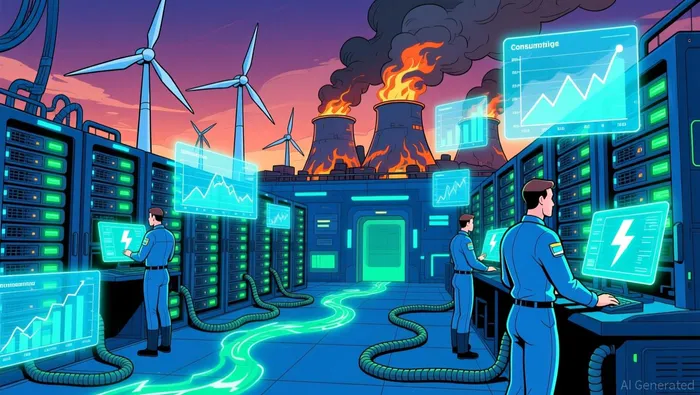
The AI revolution has created a critical bottleneck: power. A single AI rack consumes as much electricity as 100 U.S. homes, and utilities are scrambling to expand capacity. For instance, NextEra Energy and Iberdrola have seen stock gains from contracts supplying renewable power to AI firms, while traditional utilities like Duke Energy are investing in grid upgrades. VDE's inclusion of midstream and infrastructure firms may offer superior exposure to these trends compared to XLE's focus on integrated majors.
However, XLE's large-cap holdings are not without advantages. Integrated oil companies like Chevron and Exxon Mobil have robust cash flows to fund both traditional and renewable projects, positioning them to benefit from the energy transition. Moreover, their scale allows them to navigate regulatory and geopolitical risks more effectively than smaller firms. For investors prioritizing income, XLE's 3.0% dividend yield also provides a buffer against inflationary pressures.
OPEC+ Policy Shifts and Oil Market Dynamics
OPEC+'s strategic pivot toward market share over price stability in late 2025 has introduced volatility into oil markets. By prioritizing production increases, the cartel has pushed down the price floor, creating a more competitive environment. XLEXLE--, with its concentration in large-cap oil producers, is more directly exposed to these price fluctuations. For example, Chevron's performance in early 2026 was influenced by Venezuela's geopolitical realignment, which disrupted regional supply chains.
VDE's diversified portfolio, by contrast, may mitigate such risks. Its inclusion of energy services firms and midstream operators provides exposure to sectors less sensitive to oil price swings. For instance, companies involved in LNG terminals and pipeline infrastructure benefit from stable demand regardless of crude prices. This structural diversification could make VDE a more balanced choice in a market where OPEC+ policies create uncertainty.
Strategic Allocation and Risk Considerations
The choice between XLE and VDE ultimately depends on an investor's risk tolerance and time horizon. XLE's larger size and lower expense ratio (0.08% vs. VDE's 0.09%) make it a cost-effective option for long-term, passive exposure to energy fundamentals. Its performance in 2025- up 4.8% year-to-date-reflects the resilience of large integrated firms in a high-inflation environment. However, its concentration in a few stocks increases vulnerability to sector-specific shocks.
VDE, while slightly more expensive, offers a diversified approach that could cushion against volatility. Its 109 holdings include a mix of renewables, midstream operators, and traditional energy firms, aligning with the sector's transition toward electrification. For investors seeking to hedge against OPEC+ volatility or capitalize on AI-driven infrastructure demand, VDE's broader exposure may justify its higher expense.
Conclusion
In a macroeconomic landscape defined by AI-driven electricity demand, OPEC+ policy shifts, and regulatory reforms, both XLE and VDE offer compelling pathways to energy sector exposure. XLE's scale and focus on large-cap integrated firms make it a stable, income-oriented choice, while VDE's diversification into midstream and renewable infrastructure positions it to capitalize on the energy transition. A strategic allocation might pair XLE for core exposure with a smaller allocation to VDE to capture emerging opportunities, balancing stability with growth potential in a sector poised for transformation.





Comentarios
Aún no hay comentarios