
Xerox Campus Redevelopment in Webster, NY: A Strategic Opportunity for Real Estate and Infrastructure Investors
Infrastructure as a Catalyst for Value Creation
At the heart of the XeroxXRX-- campus redevelopment is the $9.8 million FAST NY grant, which is being deployed to upgrade a 300-acre brownfield site into a fully functional industrial zone. According to a report by the Regional Councils of New York State, these funds are earmarked for road construction, sanitary sewer systems, and electrical grid modernization-critical enablers for large-scale manufacturing and logistics operations. By 2026, the site will be "shovel-ready," with over one million square feet of industrial space anticipated to be developed by 2025. This infrastructure-first approach not only reduces risk for future tenants but also aligns with Governor Kathy Hochul's broader vision of creating a sustainable economic ecosystem in upstate New York.
The Webster Economic Access Project further amplifies this momentum. 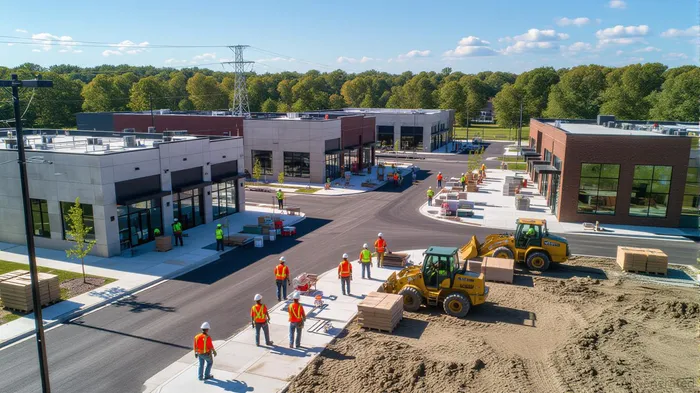 By transferring 8.5 lane-miles of industrial roadways-spanning Orchard Street, Panama Road, and Mitcheldean Drive-to public ownership, the project enhances mobility and unlocks underutilized assets. According to project updates, with construction slated for late 2025 or mid-2026, these upgrades are expected to lower transportation costs and improve access for both goods and labor, making the campus a logistics hub for regional and national markets.
Real Estate Dynamics: From Brownfield to Blue-Chip Asset
The Xerox campus's repositioning is already attracting anchor tenants. A prime example is the $650 million fairlife® dairy facility, which is set to create 250 jobs and serve as a cornerstone tenant in the redeveloped area. This project, combined with the campus's proximity to major transportation corridors and a cost-effective labor market, has driven industrial vacancy rates in Webster to a historic low of 2%. For real estate investors, the campus's 5.7 million square feet of existing building space-paired with its planned expansions-offers a unique opportunity to acquire assets in a market experiencing 10.1% annual growth in median home prices.
The strategic location of the campus also positions it to attract industries such as semiconductor manufacturing and food processing. As noted in a recent analysis by the New York State Energy and Development Department, the site's infrastructure upgrades are tailored to meet the demands of energy-intensive and logistics-dependent sectors. This specificity reduces the risk of speculative development, ensuring that the campus remains a magnet for industries with long-term growth potential.
Public-Private Synergy: A Model for Scalable Investment
The success of the Xerox redevelopment hinges on its collaborative model. The Village of Webster has secured $1,838,500 in funding-complemented by $500,000 in federal assistance-to facilitate the transfer of industrial roadways to public ownership. This public investment de-risks private-sector participation, creating a virtuous cycle where infrastructure improvements attract tenants, which in turn generate tax revenue to fund further development.
For infrastructure investors, the project's phased approach-beginning with road and utility upgrades and culminating in large-scale industrial leasing-offers a clear timeline for value realization. The FAST NY program's emphasis on shovel-ready sites also aligns with national trends in supply chain resilience, ensuring that Webster's campus remains competitive in a post-pandemic economy.
Conclusion: A Blueprint for Post-Industrical Value
The Xerox campus redevelopment in Webster exemplifies how post-industrial land can be repositioned into a high-value asset through strategic infrastructure, public-private collaboration, and sector-specific targeting. For real estate and infrastructure investors, the project offers a rare combination of policy tailwinds, low vacancy rates, and a labor market poised for growth. As the campus transitions from a legacy industrial site to a modern economic engine, it underscores the enduring potential of post-industrial repositioning-a trend that will only accelerate in the coming decade.





Comentarios
Aún no hay comentarios