
The Xerox Campus Redevelopment and Its Implications for Industrial Real Estate in Upstate New York
Infrastructure as a Catalyst for Industrial Attraction
The FAST NY grant is being deployed to address critical infrastructure gaps at the Xerox campus, including road dedication, sanitary sewer improvements, and electrical master planning, particularly at the Northeast Area for Technology (NEAT) site. These upgrades are designed to create a "shovel-ready" environment for advanced manufacturing, food production, and technology firms, positioning the campus as a competitive alternative to industrial markets in the Sun Belt and Midwest. By 2025, the project is expected to yield over one million square feet of industrial space, a scale that could attract anchor tenants in sectors such as semiconductor manufacturing and renewable energy.
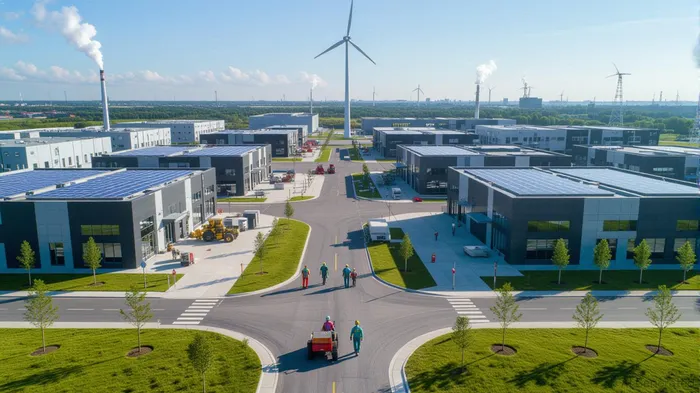
This infrastructure-driven approach aligns with national trends where industrial real estate demand remains robust despite challenges like rising construction costs and higher interest rates. For instance, while U.S. industrial vacancy rates reached 7.4% in Q2 2025, Webster's industrial vacancy rate stands at just 2%, significantly lower than the national average. This disparity reflects the campus's strategic advantages, including proximity to the I-90 corridor, access to a skilled labor pool, and tax incentives that reduce operational costs for businesses.
Economic Revitalization and Mixed-Use Synergies
The Xerox campus redevelopment is not occurring in isolation. It is part of a larger economic revitalization strategy for Webster, exemplified by the adjacent $650 million fairlife® dairy plant, which is projected to create 250 jobs. Additionally, zoning reforms under the Reimagine Webster Initiative are enabling "bluefield" development-a hybrid model integrating advanced manufacturing with residential and commercial components. This approach not only diversifies the local economy but also reduces employee commute times, a critical factor for companies seeking to retain talent in a post-pandemic labor market.
The economic impact extends beyond the campus itself. By 2025, Webster's median home price had reached $284,600, signaling a strong housing market that supports workforce stability. This growth is further bolstered by affordable energy costs and state-level incentives, which together create a compelling value proposition for manufacturers seeking to avoid the high operational costs of coastal markets.
Broader Implications for Upstate Industrial Real Estate
While the Xerox campus exemplifies a success story, the broader Upstate industrial real estate market is navigating a complex landscape. In the Syracuse area, for example, warehouse vacancy rates have surged to nearly 50% by Q2 2025, reflecting a national slowdown in industrial leasing activity. However, asking rents in the region have increased by 8.4%, year-over-year, reaching $6.89 per square foot, indicating that demand for high-quality, well-located industrial space remains resilient.
The Xerox campus redevelopment stands out in this context by addressing key pain points-such as infrastructure deficiencies and zoning rigidity-that have historically hindered industrial growth in Upstate markets. By leveraging state grants and innovative land-use policies, Webster is demonstrating how post-industrial campuses can be repositioned as engines of economic growth. This model could serve as a blueprint for other municipalities seeking to attract industrial investment in an era of shifting supply chains and rising labor costs.
Future Outlook and Investment Considerations
Looking ahead, the Xerox campus is well-positioned to benefit from the anticipated recovery in the industrial real estate market. As national vacancy rates stabilize and demand for logistics and manufacturing space rebounds by mid-2026, Webster's pre-developed infrastructure and strategic location could make it a preferred destination for companies seeking to diversify their geographic footprint. Investors should also consider the long-term value of properties near the campus, as the influx of industrial activity is likely to drive further appreciation in commercial and residential real estate.
In conclusion, the Xerox campus redevelopment illustrates the transformative potential of strategic infrastructure investment in post-industrial settings. By aligning public funding with private-sector needs, Webster is creating a model for sustainable industrial growth that could redefine Upstate New York's role in the national economy. For investors, the project offers a compelling opportunity to capitalize on a market that is not only resilient but also forward-looking in its alignment with global industrial trends.





Comentarios
Aún no hay comentarios