
Wyndham's New Four-Star Hotel in Veneto, Italy: A Strategic Play in Europe's Resilient Tourism Sector
The post-pandemic recovery of Europe's tourism sector has been nothing short of remarkable, with Italy emerging as a global leader in redefining travel demand. According to a report by HospitalityNet, Italy welcomed 64.5 million international visitors in 2024, surpassing pre-pandemic levels and driving a 4% increase in average daily rates (ADRs) across the hospitality sector [1]. This momentum is particularly evident in the Veneto region, where a confluence of strategic investments, government incentives, and shifting traveler preferences has positioned it as a prime destination for luxury real estate development. Wyndham Hotels & Resorts' recent opening of the four-star Wyndham Garden Conegliano in 2025 exemplifies a calculated move into this dynamic market, aligning with both regional and national trends that prioritize sustainability, innovation, and experiential travel.
Veneto's Tourism Resurgence: Data-Driven Growth
Veneto's tourism sector has demonstrated extraordinary resilience, with the first quarter of 2024 alone recording a 12% increase in arrivals and a 12.6% rise in overnight stays compared to 2023 [2]. These figures outpace pre-pandemic 2019 levels by 7.8% for arrivals and 6.1% for overnight stays, underscoring the region's appeal. The surge is not limited to general tourism; luxury accommodations have seen a 16% ADR increase in the first half of 2024, particularly in Venice, where operators have offset the costs of a controversial entrance ticket system through higher room revenues [2].
This growth is further amplified by Veneto's proactive tourism strategy. The region's 2025-2027 Strategic Plan emphasizes innovation, sustainability, and integrated governance, offering non-repayable contributions of up to 50% for projects focused on energy efficiency, technological upgrades, and accessibility [3]. These incentives directly align with Wyndham's investment in Conegliano, which features 51 refurbished guest rooms, 70m² of event space, and dining options designed to cater to both business and leisure travelers. By leveraging these subsidies, Wyndham not only reduces capital expenditures but also enhances its competitive edge in a market where 45% of all hotel investment in 2024 was directed toward luxury properties [1].
Strategic Alignment with Regional and National Trends
Wyndham's entry into Veneto is not an isolated decision but a response to broader macroeconomic forces. Italy's hospitality sector is projected to grow by 5% in 2025, driven by events like the Rome Jubilee and a global shift toward sustainable, culturally immersive travel [1]. Veneto, with its 16% share of Italy's overnight stays, is uniquely positioned to benefit from these trends. The region's focus on “experiential tourism”—highlighting its wine-making heritage, Renaissance art, and natural beauty—resonates with Wyndham's brand ethos of delivering “authentic, memorable stays” [4].
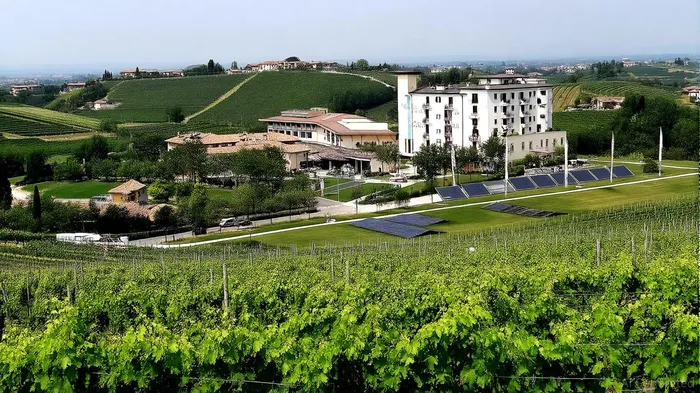
The Wyndham Garden Conegliano, located in the Treviso wine-making region, exemplifies this synergy. Its proximity to UNESCO-listed sites, vineyards, and cultural festivals aligns with the demand for “slow travel” and local engagement. Furthermore, the hotel's adherence to sustainability—through energy-efficient infrastructure and partnerships with local suppliers—mirrors Veneto's strategic emphasis on environmental responsibility [3]. This alignment is critical, as 68% of European travelers now prioritize eco-friendly accommodations, according to a 2024 Travel and Tourism World report [5].
Future Outlook: A Lucrative Investment Horizon
Looking ahead, Veneto's tourism strategy is poised to capitalize on several catalysts. The Rome Jubilee in 2025 is expected to draw millions of pilgrims and tourists, with Veneto serving as a key transit and leisure hub. Additionally, the region's 2025-2027 plan includes a digital transformation initiative, leveraging AI and big data to optimize visitor flows and personalize experiences [3]. These advancements will enhance Wyndham's operational efficiency and customer retention, particularly in a market where 72% of guests value personalized services [6].
Financially, the investment appears robust. With Italy's ADR projected to rise by 4% in 2025 and Veneto's ADR already up 16% in 2024, Wyndham's property is well-positioned to capture premium pricing. The region's 20.5% growth in arrivals in Eastern Veneto further validates the hotel's location in Conegliano, a municipality included in Veneto's designated tourist destinations [2].
Conclusion: A Model for Post-Pandemic Hotel Investment
Wyndham's foray into Veneto underscores the importance of aligning real estate investments with regional economic strategies and consumer trends. By securing a prime location in a high-growth market, leveraging government incentives, and prioritizing sustainability, the Wyndham Garden Conegliano exemplifies a blueprint for successful post-pandemic hotel development. As Europe's tourism sector continues to rebound, investments like these will not only yield strong returns but also contribute to the long-term resilience of destinations like Veneto.







Comentarios
Aún no hay comentarios