
Wus Printed Circuit's Profit Surge Masks Underlying Risks: A Cautious Outlook for Investors
The PCB manufacturer Wus Printed Circuit (Kunshan) (002463.SZ) has captured market attention with its H1 2025 net profit growth of 44.6–53.4% year-over-year, driven by strategic bets on high-margin segments like electric vehicles (EVs), enterprise technology, and industrial automation. While the numbers paint a compelling picture of growth, a deeper analysis reveals vulnerabilities tied to valuation pressures, competitive dynamics, and geopolitical headwinds. For investors, this presents a paradox: strong fundamentals paired with risks that demand caution.
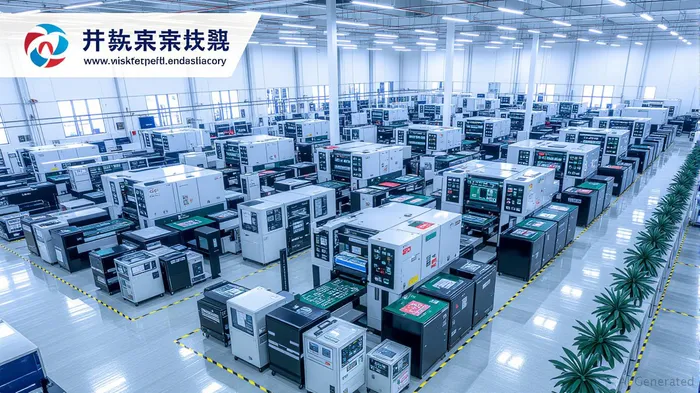
Earnings Quality: Momentum vs. Sustainability
Wus' H1 surge stems from its focus on high-margin PCB segments, where products for 5G infrastructure, EV battery management systems, and industrial robotics command 30–40% gross margins—far above the industry average of 15–20%. The Q1 2025 results, which saw net profit jump 48.1% YoY, exemplify this strategy. However, the company's earnings quality raises red flags. Analysts have flagged potential non-cash earnings in prior quarters, and while the trailing twelve-month (TTM) net margin hit 19.2%, a sustained rise to the projected 21.59% by 2025 hinges on cost efficiencies that may prove elusive.
Valuation: A Discounted Multiple or Overvaluation?
Despite its strong performance, Wus trades at a 12.5x 2025 P/E ratio, a discount to sector peers like Shennan Circuit (16x) and TTM TechnologiesTTMI-- (18x). This has fueled a 12-month price target of CN¥25, implying a 40% upside if the stock reaches 15–18x multiples. Yet, the 26% overvaluation tag attached to the stock in July 2025 suggests market skepticism about its ability to sustain growth. With geopolitical tensions and macroeconomic volatility lingering, investors must weigh whether the discount reflects fair value or a prelude to further corrections.
Strategic Moves: Strengths and Vulnerabilities
Wus' vertical integration—producing in-house copper foil and laminates—reduces costs by 15–20%, while AI-driven automation boosts yields by 10%. Its partnership with Schweizer Electronic (Jiangsu), acquired in late 2023, positions it to capture the EV PCB market's 50% CAGR through 2027. These moves are undeniably strategic, but they come with risks. The PCB sector is intensely competitive, with rivals like Foxconn and ZTE ramping up automation and vertical integration. Meanwhile, geopolitical risks—such as supply chain disruptions or trade sanctions—could undermine its geographic diversification (factories in China, Malaysia, and Vietnam).
The Bear Case: Growth Limits and Margin Pressures
The 22.8% annual earnings growth forecast assumes Wus can maintain its margin expansion and market share. However, marginal cost pressures loom. EV PCB demand, while robust, faces supply chain bottlenecks, and the hyperscale data center boom may slow as AI adoption plateaus. Additionally, the company's reliance on Fortune 500 clients (e.g., TeslaTSLA--, Foxconn) exposes it to macroeconomic slowdowns.
Investment Thesis: Caution Amid Optimism
While Wus' fundamentals—22.2% ROE, 19.2% net margin, and diversified end markets—are undeniably strong, the 26% overvaluation tag and external risks argue for a cautious stance. Investors should:
- Wait for a pullback: Target entry points at CN¥16–CN¥18, where the stock trades at a 10x P/E, offering a margin of safety.
- Monitor geopolitical developments: Escalating trade tensions or semiconductor shortages could disrupt supply chains.
- Watch margin trends: Sustained margin expansion above 20% would validate the growth thesis.
Conclusion: A Buy-the-Dip Opportunity
Wus Printed Circuit's H1 2025 results reflect a company well-positioned to capitalize on structural trends in EVs and industrial automation. Yet, its current valuation and the macroeconomic climate demand patience. For now, investors should avoid chasing the stock at current levels and instead await dips to secure a more favorable entry. The CN¥25 price target remains achievable, but only if Wus can prove its growth is both durable and defensible in a fiercely competitive landscape.
Risk Rating: Moderate-High
Recommended Action: Accumulate on weakness below CN¥18; avoid aggressive purchases at current prices.





Comentarios
Aún no hay comentarios