
WPP Investor Litigation Risks: Corporate Governance Gaps and Shareholder Value Erosion
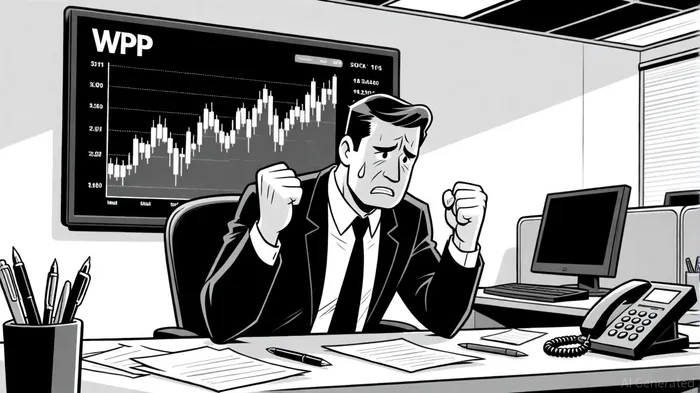
In 2025, WPP plcWPP-- (WPP) became the center of a securities class action lawsuit alleging corporate governance failures and misleading financial disclosures. The litigation, spanning February 27 to July 8, 2025, accuses the company and its executives of downplaying risks to its media division while overstating competitive resilience, leading to an 18% stock price collapse when the truth emerged, according to a Bronstein, Gewirtz & Grossman alert. This case underscores the critical interplay between board oversight, risk management, and shareholder value protection-a dynamic that investors must scrutinize when evaluating WPP's governance framework.
Governance Structure and Strategic Priorities
WPP's corporate governance model, as outlined in its Annual Report 2023, emphasizes a robust Board of Directors and specialized committees. Key figures include Chairman Philip Jansen, CEO Cindy Rose, and directors such as Angela Ahrendts and Keith Weed. The Board oversees strategic priorities like AI-driven growth (via WPPWPP-- Open) and cost efficiency, while committees like the Audit Committee (chaired by Sandrine Dufour) and Compensation Committee (chaired by Jasmine Whitbread) are tasked with financial transparency and executive accountability.
Despite this structure, the litigation period revealed significant gaps. For instance, the Board's 2024 strategic plan highlighted "creative transformation" and "AI integration" as growth levers, as reflected in the WPP group org chart. However, the lawsuits allege that these initiatives were overshadowed by internal mismanagement, including client losses in healthcare and retail sectors and staff departures from agencies like AKQA, as noted in a G-Square article. This disconnect between strategic rhetoric and operational reality raises questions about the Board's ability to align long-term goals with day-to-day execution.
Audit Committee Failures and Financial Misstatements
The core of the litigation centers on alleged misstatements by WPP's leadership regarding its media arm, GroupM. According to the lawsuits, the company concealed material declines in market share and its inability to adapt to macroeconomic pressures, presenting an "artificially inflated" revenue outlook, according to a Robbins Geller alert. The Audit Committee, responsible for overseeing financial reporting and internal controls as described on WPP's corporate governance page, appears to have failed in its duty to verify these claims.
For example, WPP's July 9, 2025 trading update cited "weaker new business wins" and "internal restructuring distractions" as reasons for performance deterioration, according to a PR Newswire alert. This admission contradicted earlier optimistic statements, suggesting a lack of rigorous pre-announcement scrutiny by the Audit Committee. While the Committee's formal terms of reference emphasize transparency (see the Annual Report 2023 and AGM Notice), the timing of the stock plunge-immediately following the update-implies a breakdown in its oversight role.
Shareholder Value Erosion and Governance Paradox
Ironically, WPP's governance practices received strong shareholder support in 2025. At the Annual General Meeting (AGM), resolutions like the 2024 Annual Report approval and share repurchase authorization garnered near-unanimous backing (99.76%–99.95%), according to an Investing.com report. This disconnect between governance approval and financial underperformance highlights a paradox: while shareholders endorsed the Board's strategic direction, the company's operational execution faltered, eroding value.
The 2024 financial results exemplify this trend. Despite a headline operating profit of £1.7 billion and improved margins, like-for-like revenue fell by 1.0%, with revenue less pass-through costs dropping 4.2%, as reported by Stocktitan. These figures, coupled with a 20% stock price plunge post-2024 results, underscore the limitations of governance structures that prioritize shareholder ratification over proactive risk mitigation.
Broader Implications for Corporate Governance
The WPP case aligns with broader academic insights on board oversight. Research emphasizes that effective governance requires not just structural committees but active engagement in risk assessment; for example, a literature review highlights governance's role in improving company performance. For instance, the Harvard Law School analysis notes that boards must balance strategic oversight with accountability for operational risks. WPP's litigation suggests that its Board may have overemphasized AI and technology narratives while neglecting to address internal weaknesses like client retention and talent attrition.
Moreover, the lawsuits highlight the growing litigation risks tied to cybersecurity and macroeconomic preparedness, as discussed in a Corporate Board Member report. While WPP's 2023 Annual Report detailed crisis management protocols, the July 2025 disclosures indicate gaps in addressing real-time challenges. This raises concerns about whether the Board's risk management frameworks were sufficiently dynamic to adapt to evolving threats.
Conclusion: Investor Considerations
For investors, the WPP litigation underscores the importance of scrutinizing not just governance structures but their execution. Key takeaways include:
1. Audit Committee Accountability: Investors should assess whether the Audit Committee's oversight mechanisms are robust enough to detect material misstatements, particularly in high-growth sectors like AI.
2. Strategic Alignment: Evaluate whether the Board's strategic priorities (e.g., AI integration) are supported by operational capabilities, not just aspirational language.
3. Shareholder Engagement: High AGM approval rates do not guarantee value preservation; investors must monitor how governance frameworks translate into tangible performance.
As WPP defends itself against the lawsuits, the PR Newswire alert and other filings underscore that the case serves as a cautionary tale for boards worldwide: even with strong governance formalities, operational and strategic missteps can lead to significant shareholder losses.





Comentarios
Aún no hay comentarios