
World Bank Boosts South Africa GDP Forecast on Energy, Logistics Investments
Generado por agente de IACyrus Cole
martes, 4 de febrero de 2025, 4:13 am ET1 min de lectura
CSPI--
The World Bank has recently lifted its GDP growth forecast for South Africa, citing increased investments in energy infrastructure and the logistics sector as key drivers. This positive outlook reflects the country's commitment to diversifying its energy mix and enhancing its logistics capabilities, which are expected to have a significant impact on the economy in the long term.
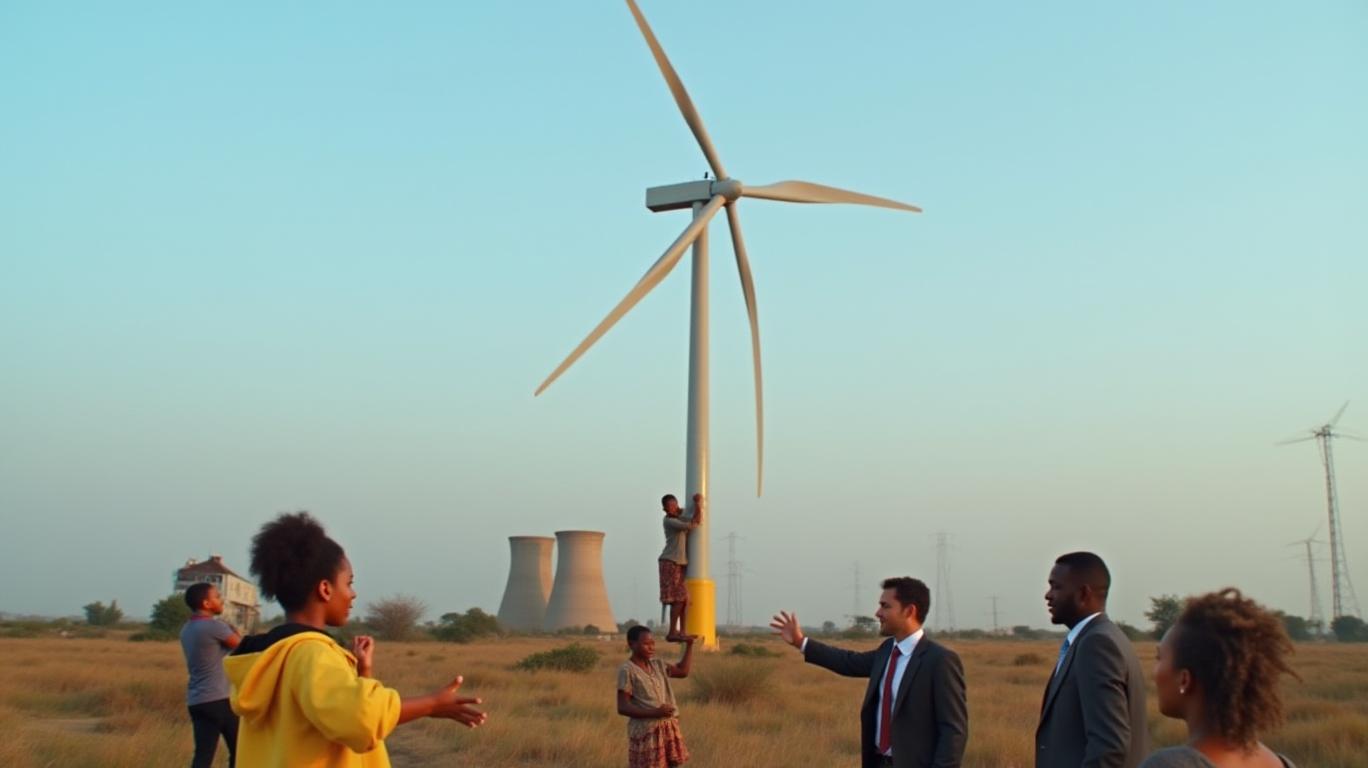
South Africa's energy sector has been undergoing a significant transformation, with a focus on increasing the share of renewable energy in the country's energy mix. The World Bank's Africa Energy Outlook 2019 projects that the economy could double by 2040 with less primary energy demand compared to today, by increasing the share of renewables and gas in the energy mix. This growth is attributed to several factors, including the decommissioning of coal-fired power plants, the introduction of natural gas and renewables, and improved energy efficiency.
The National Development Plan 2030 aims to promote economic growth and development through adequate investment in energy infrastructure. Securing primary steel production capability and supporting the downstream steel sector, as well as raising domestic vehicle production to 1% of global output, will create jobs and stimulate economic activity. Additionally, the government is focusing on diversifying the power mix by introducing natural gas and renewables, including concentrating solar power (CSP), for which South Africa has excellent natural resources.

The logistics sector in South Africa has been growing steadily, driven by factors such as the African Continental Free Trade Agreement (AfCFTA), which is expected to boost intra-African trade and increase freight volumes. The shift in freight volumes is driving investment in innovative multimodal transport solutions, creating opportunities for efficiency gains and new business models. Ongoing privatization efforts and international partnerships are set to revolutionize port operations, potentially positioning South African ports as key players in global shipping routes.
The concentrated consumer market in South Africa is driving demand for sophisticated, integrated logistics solutions, presenting growth opportunities for tech-savvy operators, particularly in last-mile delivery. With a projected 12% growth in telematics systems, the sector is ripe for digital innovation, offering potential for improved efficiency, security, and customer service across the logistics chain.
In conclusion, the World Bank's lifted GDP growth forecast for South Africa reflects the country's commitment to investing in energy infrastructure and the logistics sector. By diversifying its energy mix and enhancing its logistics capabilities, South Africa is poised to achieve long-term economic growth and development. As an investor, understanding these trends and opportunities can help you make informed decisions and capitalize on the growth potential in these sectors.
ILPT--
The World Bank has recently lifted its GDP growth forecast for South Africa, citing increased investments in energy infrastructure and the logistics sector as key drivers. This positive outlook reflects the country's commitment to diversifying its energy mix and enhancing its logistics capabilities, which are expected to have a significant impact on the economy in the long term.
South Africa's energy sector has been undergoing a significant transformation, with a focus on increasing the share of renewable energy in the country's energy mix. The World Bank's Africa Energy Outlook 2019 projects that the economy could double by 2040 with less primary energy demand compared to today, by increasing the share of renewables and gas in the energy mix. This growth is attributed to several factors, including the decommissioning of coal-fired power plants, the introduction of natural gas and renewables, and improved energy efficiency.
The National Development Plan 2030 aims to promote economic growth and development through adequate investment in energy infrastructure. Securing primary steel production capability and supporting the downstream steel sector, as well as raising domestic vehicle production to 1% of global output, will create jobs and stimulate economic activity. Additionally, the government is focusing on diversifying the power mix by introducing natural gas and renewables, including concentrating solar power (CSP), for which South Africa has excellent natural resources.
The logistics sector in South Africa has been growing steadily, driven by factors such as the African Continental Free Trade Agreement (AfCFTA), which is expected to boost intra-African trade and increase freight volumes. The shift in freight volumes is driving investment in innovative multimodal transport solutions, creating opportunities for efficiency gains and new business models. Ongoing privatization efforts and international partnerships are set to revolutionize port operations, potentially positioning South African ports as key players in global shipping routes.
The concentrated consumer market in South Africa is driving demand for sophisticated, integrated logistics solutions, presenting growth opportunities for tech-savvy operators, particularly in last-mile delivery. With a projected 12% growth in telematics systems, the sector is ripe for digital innovation, offering potential for improved efficiency, security, and customer service across the logistics chain.
In conclusion, the World Bank's lifted GDP growth forecast for South Africa reflects the country's commitment to investing in energy infrastructure and the logistics sector. By diversifying its energy mix and enhancing its logistics capabilities, South Africa is poised to achieve long-term economic growth and development. As an investor, understanding these trends and opportunities can help you make informed decisions and capitalize on the growth potential in these sectors.

Divulgación editorial y transparencia de la IA: Ainvest News utiliza tecnología avanzada de Modelos de Lenguaje Largo (LLM) para sintetizar y analizar datos de mercado en tiempo real. Para garantizar los más altos estándares de integridad, cada artículo se somete a un riguroso proceso de verificación con participación humana.
Mientras la IA asiste en el procesamiento de datos y la redacción inicial, un miembro editorial profesional de Ainvest revisa, verifica y aprueba de forma independiente todo el contenido para garantizar su precisión y cumplimiento con los estándares editoriales de Ainvest Fintech Inc. Esta supervisión humana está diseñada para mitigar las alucinaciones de la IA y garantizar el contexto financiero.
Advertencia sobre inversiones: Este contenido se proporciona únicamente con fines informativos y no constituye asesoramiento profesional de inversión, legal o financiero. Los mercados conllevan riesgos inherentes. Se recomienda a los usuarios que realicen una investigación independiente o consulten a un asesor financiero certificado antes de tomar cualquier decisión. Ainvest Fintech Inc. se exime de toda responsabilidad por las acciones tomadas con base en esta información. ¿Encontró un error? Reportar un problema


SOBRE NOSOTROS
Nuestra historiaAutores de noticiasBase de conocimientosPolítica de privacidadTérmino de usoDescargo de responsabilidad de corretaje de tercerosTérminos de uso de AIMEDivulgaciones de riesgos de AInvest AICarrerasCONTÁCTENOS
Email: support@ainvest.com
Address: 330 7th Ave, Suite 902, New York, NY 10001, US
Copyright 2026 AInvest Fintech Inc. All rights reserved.


Comentarios
Aún no hay comentarios