
Workplace Excellence as a Catalyst for Shareholder Value in Residential Construction: The Trophy Signature Homes Model
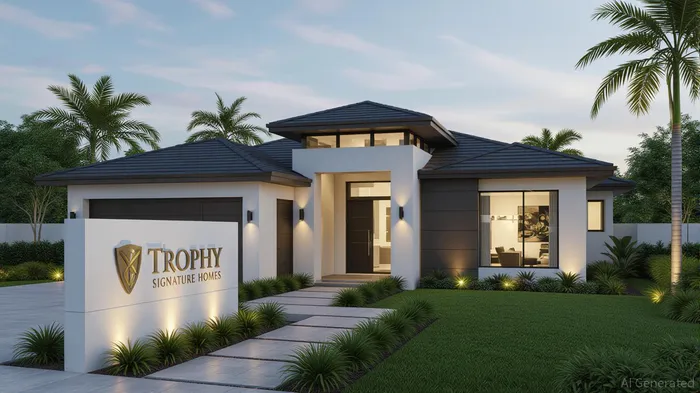
In the fiercely competitive residential construction sector, companies that prioritize workplace excellence often emerge as market leaders. Trophy Signature Homes, a subsidiary of Green BrickGRBK-- Partners (NYSE: GRBK), exemplifies this dynamic. By aligning its labor practices with operational efficiency and customer-centric innovation, the company has not only strengthened its financial performance but also positioned itself as a sector leader in 2025. This article explores how Trophy's commitment to workplace excellence drives long-term shareholder value and navigates the challenges of a volatile housing market.
The Labor Practices Dilemma: Contradictions and Consistency
Trophy Signature Homes' labor practices reveal a complex landscape. While some employee reviews highlight a toxic work environment, poor management, and unattainable performance metrics, others praise the company's competitive compensation, professional development opportunities, and recognition of employee contributions. For instance, a 2023 review notes “high-paying jobs with excellent benefits,” including branded swag and frequent recognition, while a 2024 review criticizes “sudden terminations” and a corporate culture that “lacks understanding of field operations.”
However, the company's formal job descriptions—such as the Community Sales Manager role—underscore a structured approach to workplace excellence. Metrics like a 3.5-month average construction cycle time in 2025 and a 30.4% homebuilding gross margin (despite market headwinds) suggest that Trophy's labor practices, when executed effectively, contribute to operational efficiency. The company's “more is always included” strategy, which bundles upgrades into home prices, further reflects a labor model that prioritizes value creation over cost-cutting.
Financial Performance and Market Leadership: A Symbiotic Relationship
Trophy's financial success in 2025 is closely tied to its ability to balance workplace excellence with market expansion. Green Brick Partners reported record new home deliveries in Q2 2025, with 1,042 units delivered—a 5.6% year-over-year increase. The company's net debt to total capital ratio of 9.4% as of June 30, 2025, underscores its financial stability, enabling strategic investments in high-growth markets like Houston.
The company's recent entry into the Houston market with the Riviera Pines community exemplifies this strategy. By leveraging its streamlined labor practices—such as a 3.5-month construction cycle—Trophy can deliver homes faster than competitors, a critical advantage in a market where affordability and speed are paramount. This efficiency is further amplified by Trophy's focus on energy-efficient designs and value-driven neighborhoods, which resonate with first-time homebuyers and families seeking upscale living at attainable prices.
Navigating Risks: Customer Complaints and Operational Gaps
Despite its strengths, Trophy faces challenges. Customer complaints over the past three years—ranging from construction defects to unresponsive customer service—highlight operational gaps. For example, one homeowner reported unresolved HVAC and insulation issues, while another alleged unethical sales practices involving unapproved down payment increases. These complaints, though not directly tied to labor practices, reflect broader inefficiencies in post-sale support and accountability.
However, Trophy's recent recognition as a “Best Place to Work” by the Dallas Business Journal for four consecutive years suggests a shift toward addressing these issues. The company's emphasis on employee retention, professional development, and a “people-first” philosophy—articulated by DFW Division President Chris Wicker—indicates a commitment to aligning internal labor practices with external customer expectations.
Investment Implications: Balancing Risks and Rewards
For investors, Trophy Signature Homes presents a compelling case study in the interplay between workplace excellence and shareholder value. The company's financial metrics—such as its 30.4% gross margin and 5.6% unit growth—demonstrate resilience in a challenging market. Its expansion into Houston and other high-growth regions, coupled with a focus on operational efficiency, positions it to capitalize on long-term housing demand.
Yet, the persistent customer complaints and mixed employee reviews signal risks. Investors should monitor Trophy's ability to resolve these issues through improved labor practices and customer service. A key indicator to watch is Green Brick Partners' stock price volatility, which could reflect broader market sentiment toward the company's risk management strategies.
Conclusion: A Model for Sector Leadership
Trophy Signature Homes' journey underscores the importance of harmonizing workplace excellence with market agility. While its labor practices remain a mixed bag, the company's financial performance and strategic expansion efforts highlight its potential to drive long-term shareholder value. For investors, the key takeaway is clear: companies that invest in employee well-being, operational efficiency, and customer satisfaction are better positioned to thrive in a competitive housing market.
As Trophy continues to refine its labor practices and address operational gaps, it offers a blueprint for sector leadership. In an industry where quality, speed, and customer trust are paramount, the company's ability to balance these elements will determine its success in the years ahead.







Comentarios
Aún no hay comentarios