
Words Over Substance: Can Markets Trust the US-China Trade Talks?
The U.S.-China trade talks of May 2025 ended with a familiar refrain: optimistic rhetoric from Washington and guarded silence from Beijing. While Treasury Secretary Scott Bessent and Trade Representative Jamieson Greer framed the discussions as a “productive first step,” markets are left to wonder whether the symbolic gestures of de-escalation will translate into tangible relief for businesses and investors. With tariffs at historic highs and core disputes unresolved, the answer may depend on whether words can outweigh the economic pain of a trade war gone rogue.
The Smoke-and-Mirrors of Progress
The White House’s claim of a “trade deal” struck in Geneva hinges on ambiguity. Bessent and Greer emphasized “substantial progress” but offered no specifics on tariff reductions or structural reforms. President Trump’s social media proclamations of a “total reset” and “great progress” contrasted sharply with China’s state-run Xinhua, which described the talks as merely “an important step” if concessions respect “core principles.” This divergence underscores a critical reality: the U.S. seeks de-escalation, while China demands reciprocity on terms it defines.
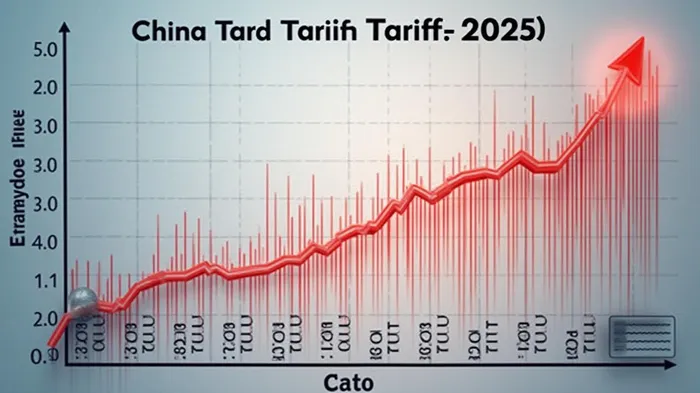
The reveal a near-trade embargo, with bilateral trade volumes dropping to $582 billion in 2024 from $660 billion pre-tariffs. Analysts like Citigroup’s Nathan Sheets call this a “lose-lose proposition,” but Peterson Institute’s Gary Hufbauer warns that even proposed cuts to 80% tariffs would halve trade further. For markets, the question is whether “progress” means anything more than a photo op in Geneva.
The Economic Toll: A Costly Stalemate
The real-world consequences of this impasse are already visible. U.S. retailers, from Walmart to Target, face a due to 145% tariffs. West Coast ports report a 15% decline in cargo volumes as businesses delay orders, and small manufacturers warn of shutdowns. Meanwhile, China’s exports surged 5% in early 2025 by rerouting trade through Southeast Asia—a move that circumvents U.S. tariffs but strains regional logistics.
Investors, however, are split. Technology stocks like Intel and Boeing saw brief gains on rumors of tariff exemptions, but broader indices remain volatile. The S&P 500’s reflects skepticism about whether the talks will resolve the $263 billion U.S. trade deficit with China or address Beijing’s tech subsidies, which remain off the table.
The Path Forward: Trust or Verify?
For markets to stabilize, three conditions must materialize:
1. Tariff Reductions: A phased rollback of tariffs to below 80% would signal genuine de-escalation, but China’s insistence on reciprocity complicates this.
2. Structural Reforms: Progress on IP theft, forced tech transfers, and currency manipulation—issues excluded from the Geneva talks—must follow.
3. Global Confidence: The U.S. 10% “baseline tariff” on all imports, including new trade partners like the U.K., risks becoming a permanent drag on trade volumes.
Yet optimism remains fragile. The U.S.-U.K. deal, touted as a “blueprint,” covers only 3% of U.S. trade and offers no tariff cuts beyond the 10% floor. China’s exemption for U.S. microchips and aircraft engines hints at tactical flexibility but falls far short of systemic change.
Conclusion: Words Are Not Enough
Markets will ultimately judge the trade talks by their actions, not their words. With tariffs at 145% and no agreement on reducing them, the economic damage is already done:
- U.S. consumer prices for tariff-hit goods could rise another 10–15% by mid-2026 as stockpiles dwindle.
- China’s $582 billion in 2024 trade with the U.S. may shrink further to $500 billion in 2025, per Peterson Institute projections.
- The S&P 500’s tech sector, reliant on Chinese supply chains, faces a 5–7% valuation hit if tariffs persist.
Investors should remain cautious. While the rhetoric of “progress” may buoy equities temporarily, the absence of concrete tariff cuts and structural deals leaves the trade war’s economic toll intact. Until Beijing and Washington demonstrate willingness to compromise beyond press releases, markets will treat their promises as smoke—and demand substance.







Comentarios
Aún no hay comentarios