
Wingtech's Strategic Position Amid the Nexperia Geopolitical Dispute
Geopolitical Tensions and Supply Chain Disruptions
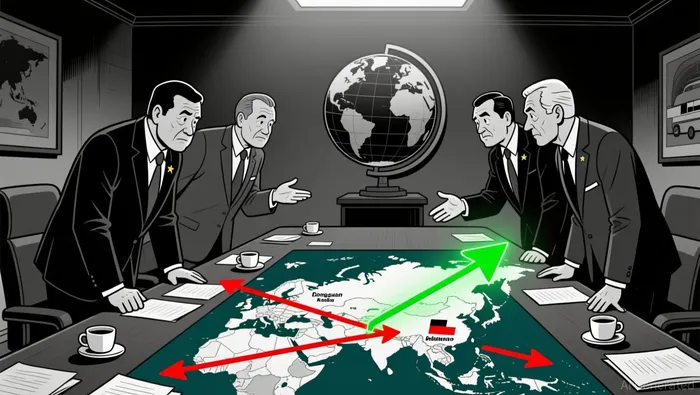
The Dutch government's seizure of Nexperia in September 2024, citing national security concerns tied to Wingtech's ownership, triggered a cascade of retaliatory actions from China. Export restrictions on Nexperia chips produced in its Dongguan plant-responsible for 70% of the company's global packaging operations-disrupted supply chains for European automakers like Volkswagen and BMW, which rely on Nexperia components for critical systems such as engine control and power steering, according to a Coinotag report. Wingtech's demand for the reinstatement of its founder, Zhang Xuezheng, as a condition to resume exports added a layer of complexity to resolution efforts, as reported by the Business Times.
This crisis underscores the fragility of global supply chains in politically sensitive industries. According to a Cryptopolitan report, the stoppage of wafer shipments to Dongguan has forced automakers to scramble for alternatives, highlighting the need for diversified sourcing strategies. For Wingtech, the challenge lies in balancing diplomatic engagement with operational continuity.
Stock Resilience Amid Diplomatic Shifts
Wingtech's stock has exhibited notable resilience in 2025, driven by intermittent diplomatic progress. A 6.4% surge in Shanghai followed China's signal to ease export curbs and initiate talks with Dutch officials, according to a Cryptopolitan report. This followed a 9.7% spike earlier in the week, reflecting investor optimism about a potential resolution. Wingtech's third-quarter semiconductor revenue rose 12.2% year-over-year, demonstrating underlying business strength despite the turmoil, as reported in a Coinotag report.
However, analysts caution that the stock's performance remains contingent on unresolved governance disputes. Wingtech has warned of a potential 2026 financial hit if control over Nexperia is not restored, citing downward pressure on revenue and cash flow due to Dutch government oversight, according to a Tom's Hardware report. The company's Q3 report also flagged operational risks, including halted salaries for some Nexperia staff in China and access restrictions, which could exacerbate supply chain disruptions, as noted in the same Tom's Hardware report.
Strategic Adaptations and Long-Term Outlook
Wingtech's response to the crisis has centered on supply chain diversification and diplomatic engagement. By November 2025, China's Commerce Ministry announced limited exemptions for Nexperia chip exports to civilian applications, easing pressure on automakers, according to a TradingView report. This shift, supported by U.S. and EU trade agreements, reflects Wingtech's broader strategy to mitigate geopolitical risks through selective regulatory concessions, as reported in a Brandicon report.
While direct data on Wingtech's 2025 R&D investments is sparse, industry trends suggest a growing emphasis on innovation. For instance, Sun Pharma's allocation of 5.4% of revenue to R&D in Q3 2025 highlights the sector's prioritization of R&D for long-term growth, as noted in an Economic Times report. Wingtech's ability to redirect resources toward high-impact research and adaptive supply chains will be critical in maintaining competitiveness.
Risk Mitigation and Investor Considerations
The core dispute between Wingtech's Chinese operations and its Dutch subsidiary remains unresolved, leaving future performance subject to diplomatic outcomes. Analysts emphasize that firms demonstrating adaptability and policy alignment-such as Ionic Rare Earths, which secured a 6% share price increase through a supply chain agreement-may retain investor confidence amid macroeconomic pressures, as noted in a MarketScreener report.
For Wingtech, the path forward hinges on three factors:
1. Diplomatic Resolution: A sustainable agreement with the Netherlands to restore operational control over Nexperia.
2. Supply Chain Resilience: Diversification of manufacturing and packaging operations to reduce reliance on single locations.
3. Geopolitical Risk Management: Proactive engagement with regulatory bodies to align with evolving trade policies.
Conclusion
Wingtech's stock has shown resilience amid the Nexperia dispute, buoyed by diplomatic progress and strong quarterly revenue growth. However, the company's long-term success will depend on its ability to navigate unresolved governance issues and adapt to a fragmented global supply chain. Investors should monitor ongoing negotiations and Wingtech's strategic initiatives, as these will shape its financial trajectory in the coming years.







Comentarios
Aún no hay comentarios