
The Widening Divide: 13 U.S. Cities Where Homeownership Demands Double the Income of Renting
The gap between homeownership and rental affordability in the U.S. has reached a critical threshold. In 2025, 13 major cities now require median incomes twice as high or more to purchase a home compared to renting. This disparity, driven by skyrocketing housing costs and stagnant rent growth, is reshaping real estate markets and investment strategies. Let’s dissect the data and explore its implications for investors.
The 13 Cities Where Buying Costs Double Renting
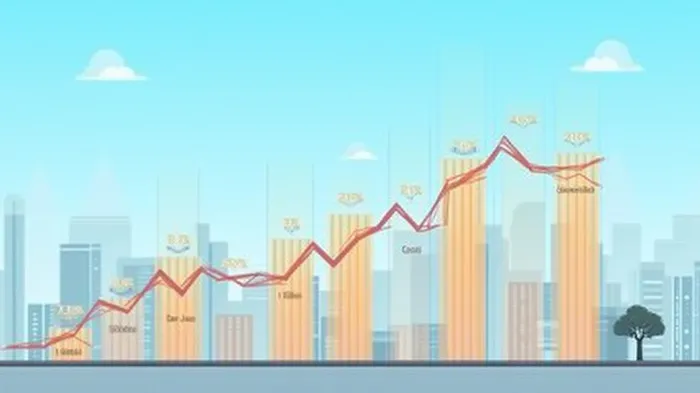
The cities with the most extreme gaps are concentrated in tech hubs and booming Sunbelt regions. Leading the list is San Jose, California, where homeownership requires an income of $408,557 annually—more than triple the rental income threshold. Other major markets like Seattle (145%) and Austin (143%) also face severe affordability strains.
What’s Driving the Divide?
- Soaring Home Prices: National median home prices surged by 43% between 2020 and 2025, outpacing wage growth. In San Francisco, home prices hit $1.6M, while rents averaged just $3,500/month.
- High Mortgage Costs: Elevated interest rates (e.g., 6.84% in 2025) inflated monthly payments. For a $700,000 home in Seattle, a 30-year mortgage costs $4,200/month—far exceeding rent.
- Rent Stagnation: New apartment constructions eased rental demand, keeping prices flat. In Dallas, rents rose only 2% annually, while home prices jumped 18%.
Geographic Hotspots and Cold Spots
- Tech and Coastal Cities: San Jose, San Francisco, and Seattle face the steepest gaps due to limited housing supply and high demand from tech workers.
- Sunbelt Boomtowns: Austin and Phoenix, magnets for remote workers, saw housing shortages amplify price spikes.
- Affordable Alternatives: Rust Belt cities like Pittsburgh (income gap: 14.4%) offer stark contrasts. Buying there costs just $66,350/year, barely above renting.
Investment Implications
The data reveals two key opportunities:
1. Rentals in High-Gap Markets: In cities like San Jose, rental demand remains robust. Investors could target multifamily properties, as Zillow’s rent-to-price ratio in these areas remains favorable.
- Undervalued Markets: Rust Belt cities offer entry points for long-term appreciation. Properties in Cleveland or Memphis trade at 40% below their 2008 peaks, despite stronger job growth.
Conclusion: A Split Market Demands Strategic Play
The 13 cities with homeownership-income gaps exceeding 100% underscore a dual-track housing market:
- Coastal hubs and tech centers are investor caution zones, with affordability barriers too steep for most buyers.
- Growing Sunbelt cities present moderate risk-reward, balancing demand with rising supply challenges.
- Rust Belt regions offer asymmetric upside, where buying is cheaper than renting—a rarity in 2025.
For investors, the key is to follow income ratios, not just price trends. Markets where homeownership demands 2x+ rental income may face corrections unless wages surge—a low-probability bet in today’s economic climate.
The data is clear: owning a home in these 13 cities is a luxury reserved for the highest earners. For portfolios, focus on rental yields in constrained markets and value plays in overlooked regions. The gapGAP-- isn’t just statistical—it’s a defining feature of 21st-century real estate.
Sources: Redfin, Zillow, U.S. Census Bureau. Calculations assume a 30-year mortgage at 6.84%, 15% down payment, and include property taxes/insurance.







Comentarios
Aún no hay comentarios