
White South African Refugee Resettlement: Geopolitical Risks and Investment Implications
The Trump administration’s controversial plan to resettle white South African Afrikaners as refugees in the U.S. next week has ignited geopolitical tensions and raised questions about its economic and market implications. This move, rooted in an executive order framing Afrikaners as victims of “unjust racial discrimination,” clashes with South Africa’s rejection of the claims and its post-apartheid reconciliation efforts. As the first group prepares to arrive, investors must assess how this policy could ripple through sectors ranging from logistics to international trade.
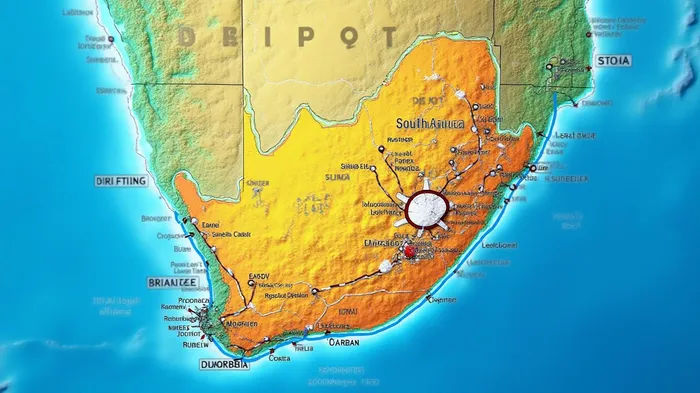
Geopolitical Tensions and Trade Implications
The executive order’s dual focus on halting U.S. aid to South Africa and prioritizing Afrikaner resettlement signals a strategic shift in bilateral relations. South Africa, a key member of the BRICS group and a major trade partner for commodities like platinum and gold, could face strained ties with Washington. shows a steady increase, with minerals and automotive parts dominating exports. Companies like Anglo American (AAL) and Gold Fields (GFI), which rely on South African operations, may face reputational or regulatory risks if diplomatic relations deteriorate.
Market Sectors at Risk and Opportunity
- Logistics and Transportation: Resettlement requires infrastructure support. Companies such as FedEx (FDX) and UPS (UPS), which handle international shipping and humanitarian logistics, could see short-term demand. However, sustained geopolitical friction might disrupt broader trade flows.
- Real Estate and Urban Development: The Office of Refugee Resettlement plans to allocate housing, potentially benefiting U.S. real estate firms. could indicate local market impacts.
- Agriculture and Land Rights: The policy stems from disputes over South Africa’s land expropriation laws. U.S. agribusiness firms with African ties, such as John Deere (DE) or Corteva (CTVA), may monitor developments, as land reforms could reshape regional supply chains.
Legal and Ethical Challenges
Critics, including Human Rights Watch, argue that Afrikaners—still holding 75% of private land and 60% of corporate leadership roles—do not qualify as refugees under international law. Legal battles over the executive order’s legitimacy could delay or overturn the policy, creating uncertainty for companies involved in resettlement. highlights how policy volatility affects organizations reliant on government contracts.
Political Fallout and Broader Market Sentiment
The policy’s racial undertones and selectivity contrast sharply with Trump’s broader anti-immigrant stance, raising questions about its electoral appeal. If public backlash grows, it could distract from economic policies favorable to markets, such as tax reforms or deregulation. Conversely, investors in sectors aligned with Trump’s base, like energy or defense, might benefit from political stability.
Conclusion: Risks Outweigh Near-Term Gains
While the Afrikaner resettlement plan may create niche opportunities in logistics and real estate, the broader geopolitical and legal risks dominate the outlook. South Africa’s role in BRICS and its commodity exports mean that U.S. sanctions or trade disruptions could hit mining and industrial sectors disproportionately. Meanwhile, the policy’s controversial nature—highlighted by its targeting of a historically privileged group—could amplify global criticism, deterring investments in regions perceived as politically volatile.
reflects the currency’s sensitivity to political instability. Investors are advised to monitor diplomatic developments closely, prioritize diversification in trade-exposed sectors, and favor companies with flexible supply chains to mitigate risks from shifting geopolitical winds.
In summary, the Afrikaner resettlement initiative underscores the growing role of geopolitics in investment decisions, urging caution in sectors tied to U.S.-South Africa relations while remaining vigilant to legal and market shifts.







Comentarios
Aún no hay comentarios