
White House Summit to Reevaluate Bitcoin Strategy Amid $17 Billion Loss
As the White House prepares for its inaugural crypto summit, experts are calling for a strategic re-evaluation of the U.S. government's approach to Bitcoin management. David Sacks, the White House's crypto czar, has warned of the significant financial losses incurred by the government's decision to sell seized Bitcoin rather than hold onto these assets. Sacks highlighted that the U.S. has sold Bitcoin worth $366 million over the past decade, a move that could have cost taxpayers over $17 billion if the assets had been retained.
Sacks' comments underscore the need for a revised long-term strategy in managing cryptocurrency assets. He emphasized that holding onto Bitcoin could have yielded substantial financial benefits, illustrating the potential for a more strategic approach to digital asset management. This perspective is supported by Joe Burnett, market research lead at Unchained, who noted that Bitcoin's value lies in long-term holding rather than short-term market timing. This view is gaining traction among cryptocurrency advocates and is expected to be a key topic of discussion at the upcoming White House summit.
The summit, scheduled to take place on March 7, will bring together industry leaders and policymakers to discuss the future of cryptocurrency in the U.S. High-profile attendees, including Ripple CEO Brad Garlinghouse and strategists like Michael Saylor, are expected to engage in vital discussions surrounding digital asset regulation and management. The potential establishment of a strategic Bitcoin reserve and the lowering of capital gains taxes on Bitcoin are among the topics that could be addressed, signaling a shift in the regulatory approach to cryptocurrency investment.
The broader implications of these discussions for U.S. taxpayers are significant. If the administration adopts a strategic reserve model, it could enhance the nation's standing in the global cryptocurrency economy while preserving taxpayer funds connected to crypto assets. Sacks' criticisms may prompt the government to adopt a more calculated approach to cryptocurrency governance, potentially leading to the ratification of tax incentives and the establishment of a reserve. This could revolutionize the narrative around cryptocurrency in America and provide a more stable and beneficial framework for digital asset management.
As the summit approaches, the emphasis on strategic Bitcoin management is taking center stage. The potential changes in regulatory approach and the establishment of a reserve could have far-reaching effects on the U.S. economy and the global crypto landscape. Given the financial opportunities highlighted by Sacks, a reevaluation of the current approach 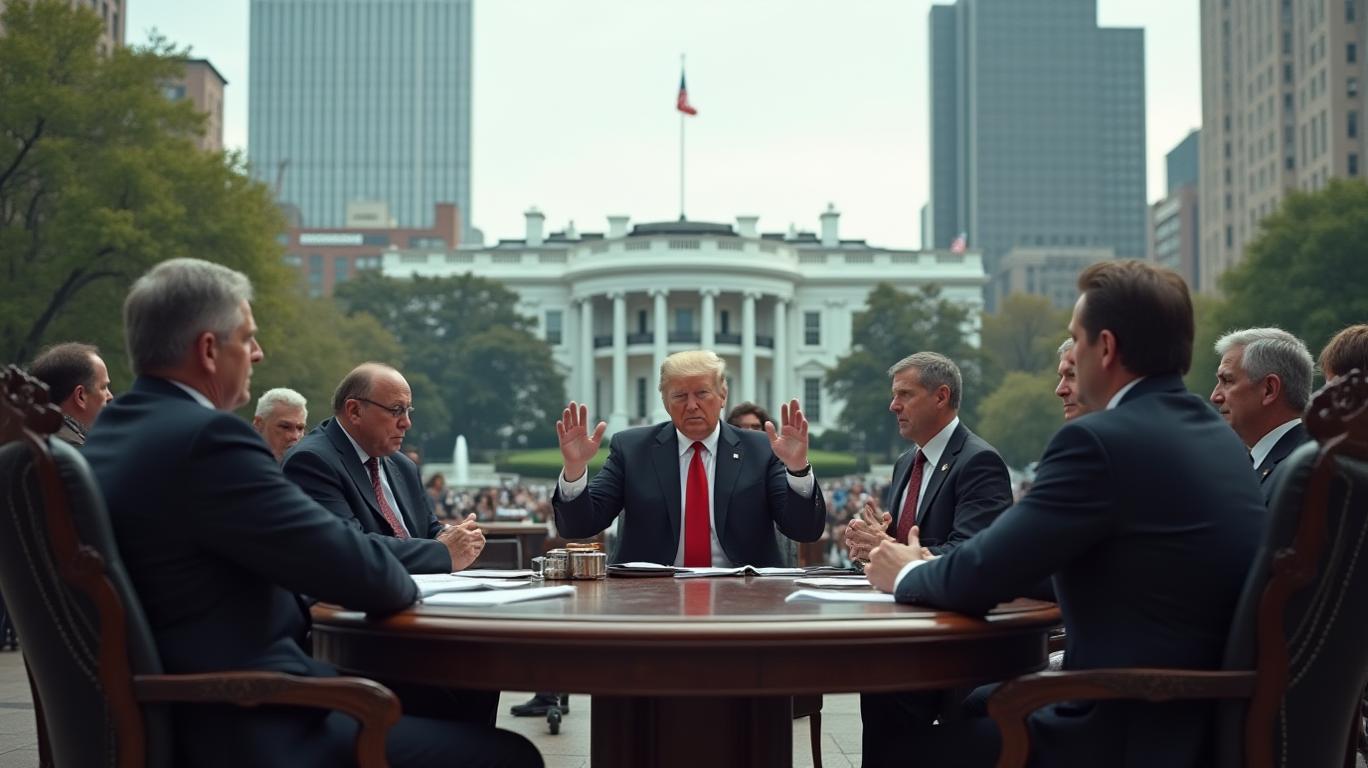





Comentarios
Aún no hay comentarios