
White House Crypto Czar: Stablecoin Legislation as Top Priority
Generado por agente de IAHarrison Brooks
martes, 4 de febrero de 2025, 8:19 pm ET2 min de lectura
ATLN--
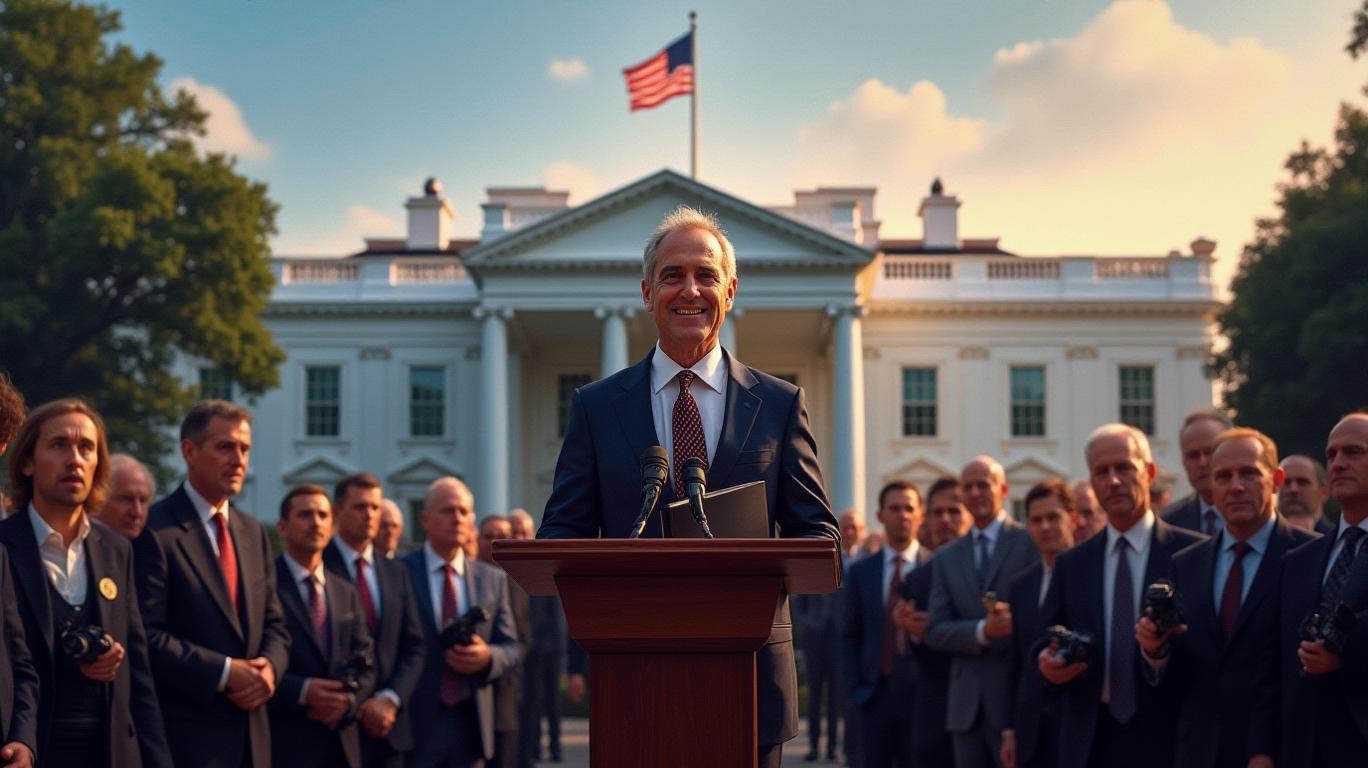
White House crypto czar David Sacks has made stablecoin legislation his top priority, aiming to provide regulatory clarity for the burgeoning digital asset market. In a recent press conference, Sacks emphasized the importance of establishing a clear framework for stablecoins, which have gained significant traction in the global financial landscape.
Stablecoins, such as Tether (USDT) and USD Coin (USDC), are digital assets pegged to the value of a stable asset, typically a fiat currency like the U.S. dollar. They have become increasingly popular due to their ability to provide the benefits of cryptocurrencies, such as decentralization and borderless transactions, while mitigating the volatility associated with other cryptocurrencies.
However, the lack of regulatory clarity has been a significant barrier to the widespread adoption of stablecoins. Sacks' focus on stablecoin legislation is aimed at addressing this issue and fostering a more robust and sustainable digital asset ecosystem.
The proposed stablecoin legislation, such as the Guiding and Establishing National Innovation for U.S. Stablecoins (GENIUS) Act, seeks to balance regulatory priorities around consumer and market protections while preserving the benefits of internationally fungible stablecoins. Key aspects of the proposed legislation include:
1. Establishing clear procedures for institutions seeking licenses to issue stablecoins.
2. Implementing reserve requirements and tailored regulatory standards for stablecoin issuers.
3. Applying the Federal Reserve's regulatory framework to depository institutions and the Office of the Comptroller of the Currency's framework for nonbank issuers for issuers of more than $10 billion of stablecoins.
4. Allowing for state regulation of issuers under $10 billion in market capitalization and providing a waiver process for issuers exceeding the threshold to remain state-regulated.
5. Establishing supervisory, examination, and enforcement regimes with clear limitations.
By addressing these aspects, the proposed legislation aims to provide a comprehensive regulatory framework for stablecoins, promoting innovation, consumer protection, market integrity, and financial stability.
The impact of stablecoin legislation on the global competitiveness of the U.S. crypto industry could be significant. By providing regulatory clarity, the U.S. could attract more innovation and investment in the crypto space, driving demand for U.S. Treasuries and maintaining the dollar's global dominance. Additionally, aligning U.S. stablecoin regulations with those in Europe, such as the Markets in Crypto-Assets (MiCA) regulation, could create a more harmonized regulatory environment for stablecoins across the Atlantic, making it easier for U.S. companies to operate in Europe and vice versa.
In conclusion, White House crypto czar David Sacks' focus on stablecoin legislation is a crucial step in fostering a more robust and sustainable digital asset ecosystem. By providing regulatory clarity, the U.S. can attract more innovation and investment in the crypto space, drive demand for U.S. Treasuries, and maintain the dollar's global dominance. As the crypto market continues to evolve, it is essential for policymakers to adapt and create a regulatory environment that supports responsible innovation and protects consumers.
USDC--
White House crypto czar David Sacks has made stablecoin legislation his top priority, aiming to provide regulatory clarity for the burgeoning digital asset market. In a recent press conference, Sacks emphasized the importance of establishing a clear framework for stablecoins, which have gained significant traction in the global financial landscape.
Stablecoins, such as Tether (USDT) and USD Coin (USDC), are digital assets pegged to the value of a stable asset, typically a fiat currency like the U.S. dollar. They have become increasingly popular due to their ability to provide the benefits of cryptocurrencies, such as decentralization and borderless transactions, while mitigating the volatility associated with other cryptocurrencies.
However, the lack of regulatory clarity has been a significant barrier to the widespread adoption of stablecoins. Sacks' focus on stablecoin legislation is aimed at addressing this issue and fostering a more robust and sustainable digital asset ecosystem.
The proposed stablecoin legislation, such as the Guiding and Establishing National Innovation for U.S. Stablecoins (GENIUS) Act, seeks to balance regulatory priorities around consumer and market protections while preserving the benefits of internationally fungible stablecoins. Key aspects of the proposed legislation include:
1. Establishing clear procedures for institutions seeking licenses to issue stablecoins.
2. Implementing reserve requirements and tailored regulatory standards for stablecoin issuers.
3. Applying the Federal Reserve's regulatory framework to depository institutions and the Office of the Comptroller of the Currency's framework for nonbank issuers for issuers of more than $10 billion of stablecoins.
4. Allowing for state regulation of issuers under $10 billion in market capitalization and providing a waiver process for issuers exceeding the threshold to remain state-regulated.
5. Establishing supervisory, examination, and enforcement regimes with clear limitations.
By addressing these aspects, the proposed legislation aims to provide a comprehensive regulatory framework for stablecoins, promoting innovation, consumer protection, market integrity, and financial stability.
The impact of stablecoin legislation on the global competitiveness of the U.S. crypto industry could be significant. By providing regulatory clarity, the U.S. could attract more innovation and investment in the crypto space, driving demand for U.S. Treasuries and maintaining the dollar's global dominance. Additionally, aligning U.S. stablecoin regulations with those in Europe, such as the Markets in Crypto-Assets (MiCA) regulation, could create a more harmonized regulatory environment for stablecoins across the Atlantic, making it easier for U.S. companies to operate in Europe and vice versa.
In conclusion, White House crypto czar David Sacks' focus on stablecoin legislation is a crucial step in fostering a more robust and sustainable digital asset ecosystem. By providing regulatory clarity, the U.S. can attract more innovation and investment in the crypto space, drive demand for U.S. Treasuries, and maintain the dollar's global dominance. As the crypto market continues to evolve, it is essential for policymakers to adapt and create a regulatory environment that supports responsible innovation and protects consumers.

Divulgación editorial y transparencia de la IA: Ainvest News utiliza tecnología avanzada de Modelos de Lenguaje Largo (LLM) para sintetizar y analizar datos de mercado en tiempo real. Para garantizar los más altos estándares de integridad, cada artículo se somete a un riguroso proceso de verificación con participación humana.
Mientras la IA asiste en el procesamiento de datos y la redacción inicial, un miembro editorial profesional de Ainvest revisa, verifica y aprueba de forma independiente todo el contenido para garantizar su precisión y cumplimiento con los estándares editoriales de Ainvest Fintech Inc. Esta supervisión humana está diseñada para mitigar las alucinaciones de la IA y garantizar el contexto financiero.
Advertencia sobre inversiones: Este contenido se proporciona únicamente con fines informativos y no constituye asesoramiento profesional de inversión, legal o financiero. Los mercados conllevan riesgos inherentes. Se recomienda a los usuarios que realicen una investigación independiente o consulten a un asesor financiero certificado antes de tomar cualquier decisión. Ainvest Fintech Inc. se exime de toda responsabilidad por las acciones tomadas con base en esta información. ¿Encontró un error? Reportar un problema




Comentarios
Aún no hay comentarios