
White House Bans Chinese, Russian Tech in Connected Cars: A New Era for US Automotive Industry
Generado por agente de IAWesley Park
martes, 14 de enero de 2025, 3:22 pm ET1 min de lectura
FORD--
The White House has finalized rules banning Chinese and Russian technology in connected cars, marking a significant shift in the US automotive industry. This move, effective from model year 2027 for software and 2030 for hardware, aims to safeguard national security and protect American consumers from potential cyber threats. Let's delve into the implications of this ban and explore the opportunities it presents for US automakers and investors.
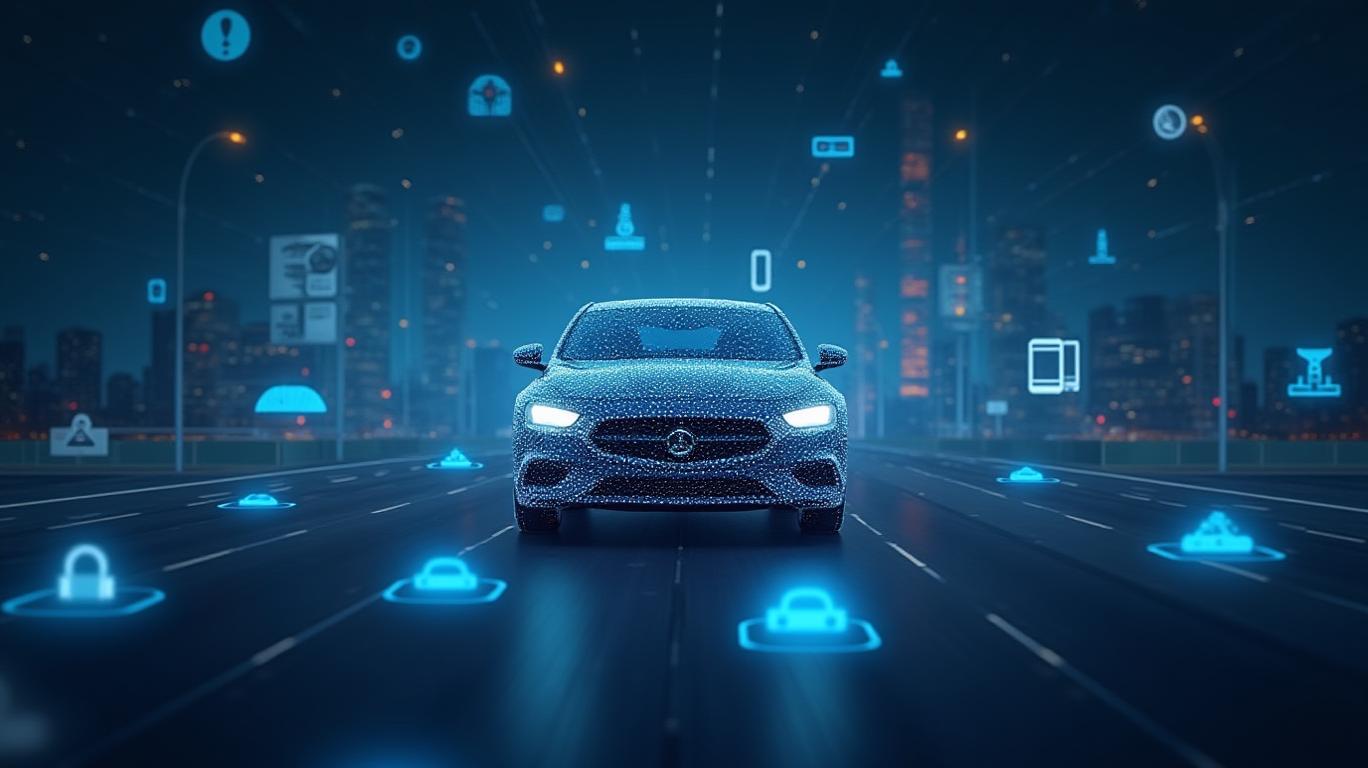
The connected car market has witnessed remarkable growth in recent years, with global sales expected to reach 77.7 million units by 2025, up from 41.2 million in 2020 (Source: MarketsandMarkets). However, this growth has been accompanied by increasing concerns about cybersecurity and data privacy. The White House's decision to ban Chinese and Russian technology in connected cars addresses these concerns head-on, creating a more secure and competitive landscape for US automakers.
The ban is expected to have a significant impact on Chinese and Russian automakers, which have been increasingly targeting the US market. Companies like Polestar, Volvo, Lincoln, and Buick, which have Chinese ownership or use Chinese components, may face challenges in the US market. According to the International Trade Administration, Chinese automakers held a mere 1.2% share of the US market in 2020, but this figure is expected to grow as these companies expand their presence in the country.
On the other hand, US and European automakers stand to gain market share as they are less likely to be affected by the ban. Companies like Ford, General Motors, Tesla, Volkswagen, Toyota, and BMW can focus on developing and integrating their own connected car technologies, potentially leading to increased innovation and competition.
Investors should take note of this shift in the competitive landscape and consider allocating capital to US and European automakers that are well-positioned to capitalize on the ban. These companies are likely to see increased demand for their products as consumers and automakers alike seek more secure and reliable connected car technologies.
Moreover, the ban may lead to temporary market disruptions and increased costs as companies adjust their supply chains and develop alternative technologies. However, in the long run, the ban could foster a more competitive and secure connected car market, with a greater emphasis on domestic and allied technologies.
In conclusion, the White House's decision to ban Chinese and Russian technology in connected cars is a significant development for the US automotive industry. This move creates new opportunities for US and European automakers and investors, while also addressing critical concerns about cybersecurity and data privacy. As the connected car market continues to grow, investors should closely monitor the impact of this ban and consider allocating capital to well-positioned companies in the sector.
GM--
PSNY--
TM--
TSLA--
The White House has finalized rules banning Chinese and Russian technology in connected cars, marking a significant shift in the US automotive industry. This move, effective from model year 2027 for software and 2030 for hardware, aims to safeguard national security and protect American consumers from potential cyber threats. Let's delve into the implications of this ban and explore the opportunities it presents for US automakers and investors.
The connected car market has witnessed remarkable growth in recent years, with global sales expected to reach 77.7 million units by 2025, up from 41.2 million in 2020 (Source: MarketsandMarkets). However, this growth has been accompanied by increasing concerns about cybersecurity and data privacy. The White House's decision to ban Chinese and Russian technology in connected cars addresses these concerns head-on, creating a more secure and competitive landscape for US automakers.
The ban is expected to have a significant impact on Chinese and Russian automakers, which have been increasingly targeting the US market. Companies like Polestar, Volvo, Lincoln, and Buick, which have Chinese ownership or use Chinese components, may face challenges in the US market. According to the International Trade Administration, Chinese automakers held a mere 1.2% share of the US market in 2020, but this figure is expected to grow as these companies expand their presence in the country.
On the other hand, US and European automakers stand to gain market share as they are less likely to be affected by the ban. Companies like Ford, General Motors, Tesla, Volkswagen, Toyota, and BMW can focus on developing and integrating their own connected car technologies, potentially leading to increased innovation and competition.
Investors should take note of this shift in the competitive landscape and consider allocating capital to US and European automakers that are well-positioned to capitalize on the ban. These companies are likely to see increased demand for their products as consumers and automakers alike seek more secure and reliable connected car technologies.
Moreover, the ban may lead to temporary market disruptions and increased costs as companies adjust their supply chains and develop alternative technologies. However, in the long run, the ban could foster a more competitive and secure connected car market, with a greater emphasis on domestic and allied technologies.
In conclusion, the White House's decision to ban Chinese and Russian technology in connected cars is a significant development for the US automotive industry. This move creates new opportunities for US and European automakers and investors, while also addressing critical concerns about cybersecurity and data privacy. As the connected car market continues to grow, investors should closely monitor the impact of this ban and consider allocating capital to well-positioned companies in the sector.

Divulgación editorial y transparencia de la IA: Ainvest News utiliza tecnología avanzada de Modelos de Lenguaje Largo (LLM) para sintetizar y analizar datos de mercado en tiempo real. Para garantizar los más altos estándares de integridad, cada artículo se somete a un riguroso proceso de verificación con participación humana.
Mientras la IA asiste en el procesamiento de datos y la redacción inicial, un miembro editorial profesional de Ainvest revisa, verifica y aprueba de forma independiente todo el contenido para garantizar su precisión y cumplimiento con los estándares editoriales de Ainvest Fintech Inc. Esta supervisión humana está diseñada para mitigar las alucinaciones de la IA y garantizar el contexto financiero.
Advertencia sobre inversiones: Este contenido se proporciona únicamente con fines informativos y no constituye asesoramiento profesional de inversión, legal o financiero. Los mercados conllevan riesgos inherentes. Se recomienda a los usuarios que realicen una investigación independiente o consulten a un asesor financiero certificado antes de tomar cualquier decisión. Ainvest Fintech Inc. se exime de toda responsabilidad por las acciones tomadas con base en esta información. ¿Encontró un error? Reportar un problema


SOBRE NOSOTROS
Nuestra historiaAutores de noticiasBase de conocimientosPolítica de privacidadTérmino de usoDescargo de responsabilidad de corretaje de tercerosTérminos de uso de AIMEDivulgaciones de riesgos de AInvest AICarrerasCONTÁCTENOS
Email: support@ainvest.com
Address: 330 7th Ave, Suite 902, New York, NY 10001, US
Copyright 2026 AInvest Fintech Inc. All rights reserved.


Comentarios
Aún no hay comentarios