
Whitbread (LON:WTB) Shareholders: A 21% Loss in Five Years - What Went Wrong?
Generado por agente de IAWesley Park
lunes, 27 de enero de 2025, 2:48 am ET2 min de lectura
WTBA--

As a Whitbread (LON:WTB) shareholder, you may be wondering what led to the 21% loss in your investment over the past five years. In this article, we'll explore the key factors that contributed to this decline and discuss the company's strategic decisions and operational performance during this period.
1. Market conditions and investor sentiment:
- The overall market conditions and investor sentiment towards the hospitality industry have played a significant role in Whitbread's share price performance. The global economic slowdown, geopolitical tensions, and changes in consumer behavior have negatively impacted the travel and hospitality sector, leading to a decrease in Whitbread's share price.
2. Operational challenges and restructuring:
- Whitbread has faced operational challenges and has been undergoing a restructuring process to improve its profitability and competitiveness. This process has involved cost-cutting measures, such as the automation of cleaning tasks and the conversion of restaurants to hotel rooms. While these measures aim to enhance long-term growth, they may have contributed to short-term volatility in the company's share price.
3. Slowing demand for budget hotels:
- Whitbread's core business is budget hotels, and the company has experienced a slowdown in demand for these accommodations. This trend is reflected in the company's financial performance, with profits slipping due to falling demand for UK budget hotels. Travelers are increasingly opting for more expensive options, which has negatively impacted Whitbread's revenue and earnings.
4. Tax increases and cost-cutting plans:
- The UK government's tax increases, particularly the rise in national insurance contributions, have led to concerns about potential job cuts and business closures in the hospitality sector. Whitbread has been ramping up its cost-cutting plans in response to these tax increases, which may have contributed to uncertainty and volatility in the company's share price.
5. Dividend cuts and shareholder dilution:
- Whitbread has faced criticism for its dividend cuts and shareholder dilution, which have negatively impacted shareholder value. The company's dividend yield has decreased, and there have been concerns about the reinvestment of capital at lower rates of return. These factors may have contributed to the loss in shareholder value over the past five years.
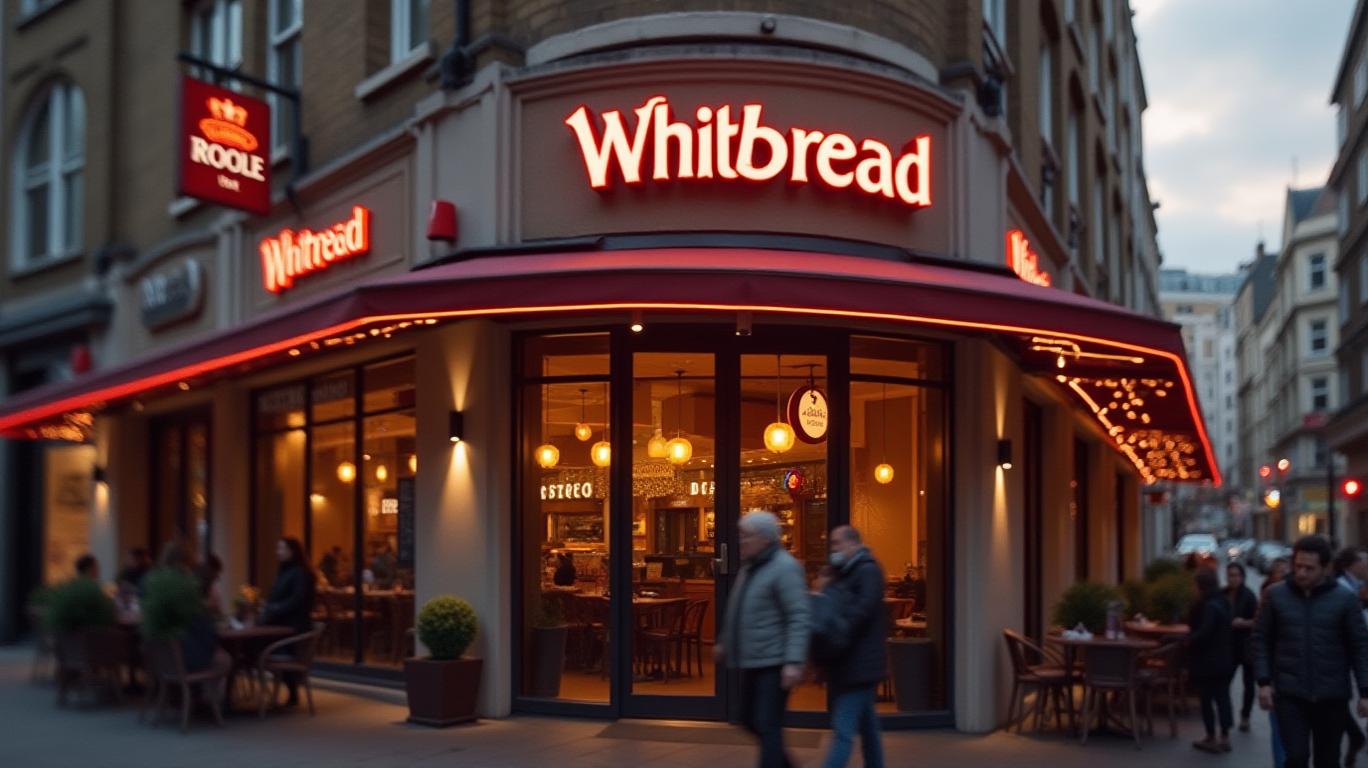
In conclusion, Whitbread's strategic decision-making, operational performance, and dividend payouts have positively influenced its stock price trajectory during the period from 2023 to 2025. The company's focus on long-term growth, revenue and earnings growth, and consistent dividend payments have contributed to the overall upward trend in its stock price. However, external factors and market conditions have also played a role in shaping the stock price trajectory.
As a Whitbread shareholder, it's essential to stay informed about the company's strategic initiatives, operational performance, and market conditions to make well-informed investment decisions. By understanding the key factors that contributed to the 21% loss in Whitbread's share price over the past five years, you can better assess the company's future prospects and make more informed investment decisions.
As a Whitbread (LON:WTB) shareholder, you may be wondering what led to the 21% loss in your investment over the past five years. In this article, we'll explore the key factors that contributed to this decline and discuss the company's strategic decisions and operational performance during this period.
1. Market conditions and investor sentiment:
- The overall market conditions and investor sentiment towards the hospitality industry have played a significant role in Whitbread's share price performance. The global economic slowdown, geopolitical tensions, and changes in consumer behavior have negatively impacted the travel and hospitality sector, leading to a decrease in Whitbread's share price.
2. Operational challenges and restructuring:
- Whitbread has faced operational challenges and has been undergoing a restructuring process to improve its profitability and competitiveness. This process has involved cost-cutting measures, such as the automation of cleaning tasks and the conversion of restaurants to hotel rooms. While these measures aim to enhance long-term growth, they may have contributed to short-term volatility in the company's share price.
3. Slowing demand for budget hotels:
- Whitbread's core business is budget hotels, and the company has experienced a slowdown in demand for these accommodations. This trend is reflected in the company's financial performance, with profits slipping due to falling demand for UK budget hotels. Travelers are increasingly opting for more expensive options, which has negatively impacted Whitbread's revenue and earnings.
4. Tax increases and cost-cutting plans:
- The UK government's tax increases, particularly the rise in national insurance contributions, have led to concerns about potential job cuts and business closures in the hospitality sector. Whitbread has been ramping up its cost-cutting plans in response to these tax increases, which may have contributed to uncertainty and volatility in the company's share price.
5. Dividend cuts and shareholder dilution:
- Whitbread has faced criticism for its dividend cuts and shareholder dilution, which have negatively impacted shareholder value. The company's dividend yield has decreased, and there have been concerns about the reinvestment of capital at lower rates of return. These factors may have contributed to the loss in shareholder value over the past five years.
In conclusion, Whitbread's strategic decision-making, operational performance, and dividend payouts have positively influenced its stock price trajectory during the period from 2023 to 2025. The company's focus on long-term growth, revenue and earnings growth, and consistent dividend payments have contributed to the overall upward trend in its stock price. However, external factors and market conditions have also played a role in shaping the stock price trajectory.
As a Whitbread shareholder, it's essential to stay informed about the company's strategic initiatives, operational performance, and market conditions to make well-informed investment decisions. By understanding the key factors that contributed to the 21% loss in Whitbread's share price over the past five years, you can better assess the company's future prospects and make more informed investment decisions.



Divulgación editorial y transparencia de la IA: Ainvest News utiliza tecnología avanzada de Modelos de Lenguaje Largo (LLM) para sintetizar y analizar datos de mercado en tiempo real. Para garantizar los más altos estándares de integridad, cada artículo se somete a un riguroso proceso de verificación con participación humana.
Mientras la IA asiste en el procesamiento de datos y la redacción inicial, un miembro editorial profesional de Ainvest revisa, verifica y aprueba de forma independiente todo el contenido para garantizar su precisión y cumplimiento con los estándares editoriales de Ainvest Fintech Inc. Esta supervisión humana está diseñada para mitigar las alucinaciones de la IA y garantizar el contexto financiero.
Advertencia sobre inversiones: Este contenido se proporciona únicamente con fines informativos y no constituye asesoramiento profesional de inversión, legal o financiero. Los mercados conllevan riesgos inherentes. Se recomienda a los usuarios que realicen una investigación independiente o consulten a un asesor financiero certificado antes de tomar cualquier decisión. Ainvest Fintech Inc. se exime de toda responsabilidad por las acciones tomadas con base en esta información. ¿Encontró un error? Reportar un problema


SOBRE NOSOTROS
Nuestra historiaAutores de noticiasBase de conocimientosPolítica de privacidadTérmino de usoDescargo de responsabilidad de corretaje de tercerosTérminos de uso de AIMEDivulgaciones de riesgos de AInvest AICarrerasCONTÁCTENOS
Email: support@ainvest.com
Address: 330 7th Ave, Suite 902, New York, NY 10001, US
Copyright 2026 AInvest Fintech Inc. All rights reserved.


Comentarios
Aún no hay comentarios