
Wheat Markets Tumble Amid Relief Rains and Macro Headwinds
The wheat market in April 2025 has become a battleground of weather, geopolitics, and shifting supply dynamics. After weeks of volatility tied to drought fears in the U.S. PlainsPAGP--, a sudden pivot toward favorable rainfall forecasts sent prices tumbling—but not before revealing deeper cracks in the market’s stability.
The Rain Equation: Volatility in the Plains
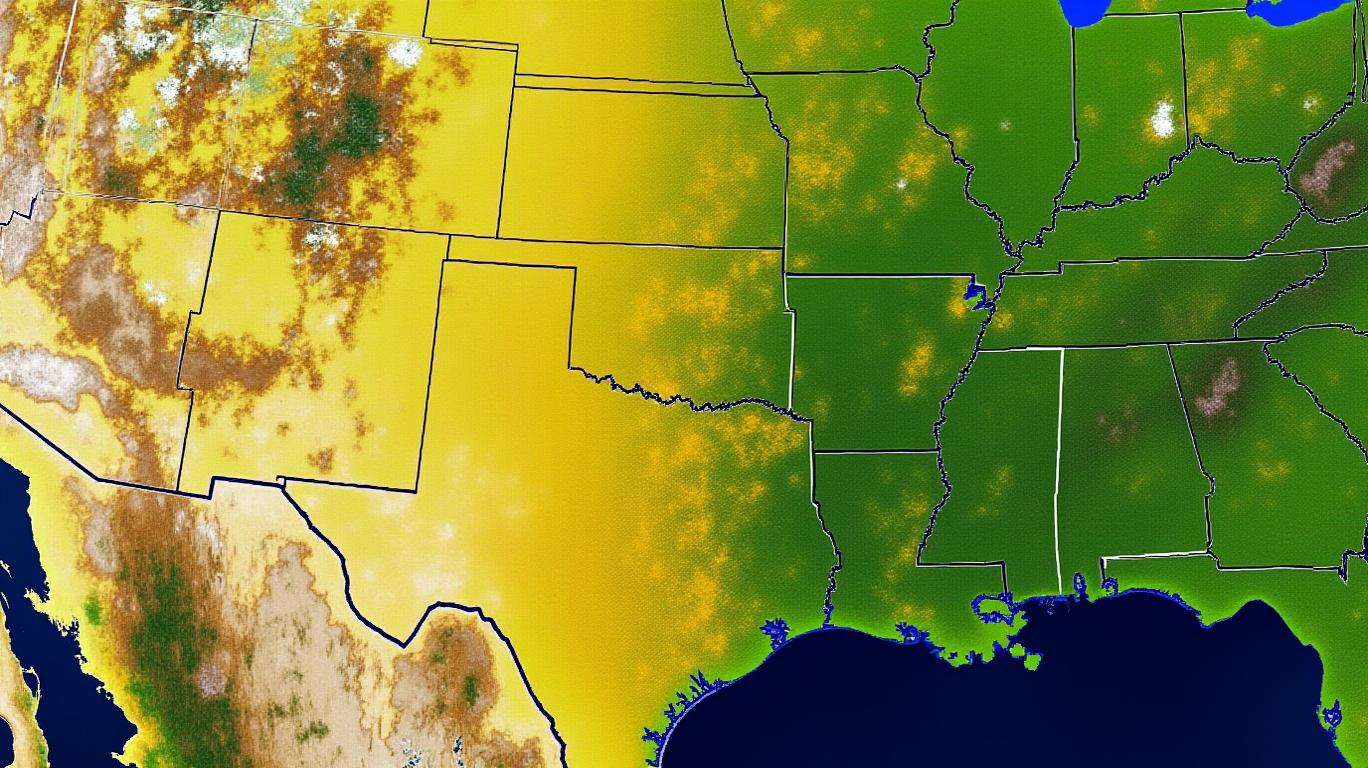
Wheat futures faced a brutal reckoning on April 14 as models showed up to 175mm of rain heading to Kansas and Oklahoma, regions where 55% and 40% of the land, respectively, were under drought. The May HRW wheat contract plummeted to $5.47/bu, slicing 8.25 cents off its value in a single day.

But the relief didn’t last. By April 14, prices hit a six-week low of $5.51½/bu, as traders questioned whether the rain would drown out speculative buying. The USDA’s April 8 Crop Progress Report added context: 47% of winter wheat was rated in good-to-excellent condition, slightly down from the prior week, underscoring that while rains helped, drought scars lingered.
Regional Divide: Winners and Losers in the Rainfall Lottery
The rains carved a stark geographic divide:
- Kansas & Oklahoma: Slight drought improvements, but wheat ratings remained stubbornly low (49% and 33%, respectively).
- Texas: Conditions worsened, with ratings collapsing to 26% good-to-excellent, as dryness persisted outside the rain’s reach.
- Southern Midwest & Delta: Flooding risks emerged, complicating SRW wheat harvests and logistics.
Meanwhile, global weather patterns added to the chaos. While Russia and Morocco welcomed rains, Ukraine and France faced dryness, keeping global supplies tight. This created a paradox: U.S. wheat traded $46/ton cheaper than French wheat, yet tariffs and macroeconomic headwinds stifled export gains.
Macro Storm Clouds: Trade Wars and the Dollar’s Dance
The U.S.-China tariff war loomed large, with reciprocal duties hitting 125%—a punitive barrier even as temporary electronics exemptions provided little relief. A weaker U.S. dollar, however, offered a lifeline, making exports cheaper.
Supply fundamentals also diverged sharply:
- SRW Wheat: Tight stocks (84 million bushels) and Midwest flooding risks fueled fears of further shortages.
- HRW Wheat: Abundant projected stocks (400 million bushels) provided downside pressure.
Speculators and the Hunt for Certainty
Large speculators slashed net long positions by 10,000 contracts, betting on the rain’s impact. Meanwhile, corn markets saw rising bullish bets as planting delays and ethanol demand concerns offset wheat’s weakness.
Looking Ahead: Weather and Policy as Wildcards
The USDA’s April 10 WASDE report signaled a precarious balance: U.S. supplies rose slightly to 1.875 billion bushels, but global stocks dipped due to Russian and Ukrainian production cuts. Weather models suggest more rain for the Plains through mid-April, which could further ease HRW droughts but risk flooding in the Midwest.

Conclusion: A Market on a Weather Rollercoaster
Wheat’s April 2025 performance underscores its fragility: prices swung from $5.33/bu to $5.51½/bu in weeks, driven by rain forecasts, trade wars, and speculative flows. While USDA data shows 32% of U.S. wheat remains in drought—up from 15% a year ago—the immediate relief from rains has dented prices.
Investors must monitor two critical factors:
1. Weather: Will rains in Texas and Ukraine materialize, or will dryness persist? A 10% yield swing in key regions could shift global stocks by millions of tons.
2. Trade Policy: With China’s tariffs still punitive and the dollar’s weakness uncertain, U.S. exporters face a tightrope walk between price competitiveness and access.
The bottom line? Wheat’s next move hinges on whether rain becomes a blessing or a curse—and whether macroeconomic storms overshadow the crop’s fundamentals.
In this climate, investors would do well to hedge bets against both weather surprises and policy pivots—because in wheat markets, the only certainty is uncertainty.







Comentarios
Aún no hay comentarios