
Wharton Professor Calls Trump Tariffs Biggest Policy Mistake Since 1930
Jeremy Siegel, a distinguished professor at the University of Pennsylvania's Wharton School of Business, has voiced a strong critique of the tariffs implemented by former U.S. President Donald Trump, describing them as the "biggest policy mistake in 95 years." This evaluation draws a comparison to the Smoot-Hawley Act, a protectionist trade policy enacted in 1930 that many economists believe worsened the Great Depression. Siegel's critique highlights the potential long-term economic consequences of such policies, which he argues could result in similar economic downturns.
Siegel's remarks come at a time when the economic environment is already marked by uncertainty. The tariffs, intended to safeguard domestic industries, have sparked extensive debate among economists and policymakers. Critics contend that these measures could disrupt global supply chains, increase consumer prices, and provoke retaliatory actions from other nations. Siegel's historical reference to the Smoot-Hawley Act serves as a warning, emphasizing the risks of protectionist policies during periods of economic fragility.
The effects of Trump's tariffs have been widespread, with various sectors experiencing notable disruptions. For example, the agricultural sector has been particularly impacted, with tariffs on goods like soybeans and pork leading to increased prices and reduced exports. This has raised concerns about the long-term sustainability of certain industries and the potential for job losses in sectors heavily dependent on international trade.
Siegel's comments have drawn attention from both political and economic spheres. While some advocates of Trump's policies argue that tariffs are essential to protect domestic industries and create jobs, critics like Siegel maintain that the long-term benefits do not justify the immediate economic costs. The ongoing debate over the effectiveness of tariffs as a tool for economic policy continues, with both sides presenting persuasive arguments.
In summary, Jeremy Siegel's characterization of Trump's tariffs as the "biggest policy mistake in 95 years" highlights the intricate nature of trade policy and its potential impact on the global economy. As the discussion over protectionism versus free trade persists, policymakers and economists must carefully weigh the lessons of the past to address the challenges of the present and future. 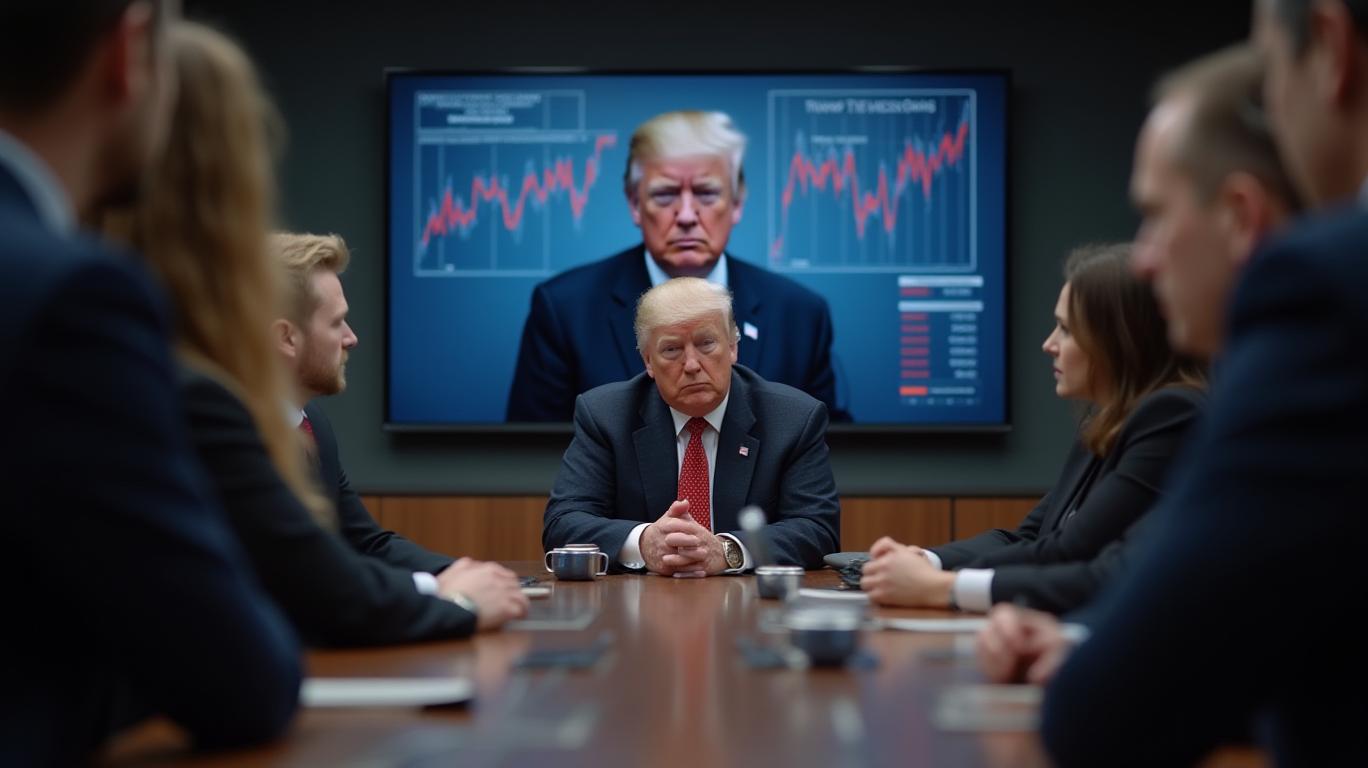







Comentarios
Aún no hay comentarios