
Western Europe's Diesel Decline: A Blueprint for Energy Transition Profits
The diesel car market in Western Europe is collapsing. From a 48% combined market share for petrol and diesel vehicles in early 2024 to just 38% by Q1 2025, the data reveals a seismic shift. Diesel's own share has plummeted to 9.5%, a 27% year-over-year decline, while electric vehicles (EVs) now command over 25% of sales. This is not a temporary dip—it's a structural revolution. For investors, the implications are clear: fossilFOSL-- fuel demand is eroding, and capital should pivot to EV infrastructure, renewable energy, and battery technology.
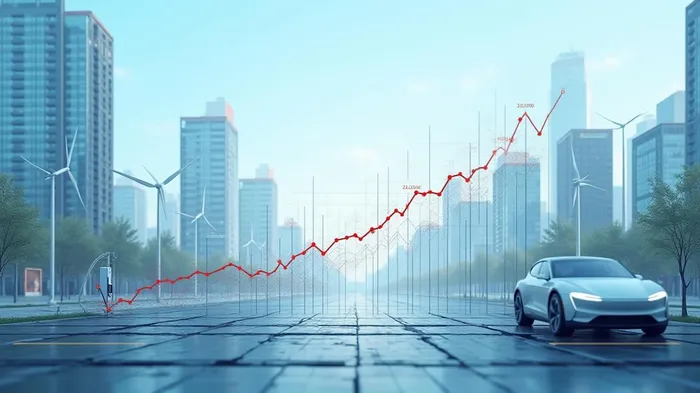
The Diesel Death Spiral: Why It's Unstoppable
Western Europe's diesel decline is driven by three irreversible forces:
1. Policy Enforcement: The EU's 2025 CO₂ regulations have forced automakers to slash ICE (internal combustion engine) models. By Q1 2025, diesel registrations had fallen 25.5% year-over-year, with hybrids (36% share) and BEVs (15.3%) filling the void.
2. Tax Levers: Norway's tax hikes on ICE vehicles and the UK's Vehicle Emissions Trading Scheme have made diesel cars financially unviable. In Norway, BEVs now claim 88% of sales, with a 100% zero-emission mandate by 2025.
3. Consumer Shift: Even in Germany, where diesel subsidies ended in 2023, EV sales surged 42.8% in early 2025. Buyers are voting with their wallets for cleaner, cheaper-to-run electric alternatives.
The Fossil Fuel Hit: Diesel's Demise Drags Down Oil Demand
Diesel's collapse isn't just a car market story—it's a macroeconomic threat to oil. Europe's diesel consumption for transportation could drop by 15–20% by 2030 as EV adoption hits 50% market share. This translates to reduced refining margins and stranded assets for oil majors. Meanwhile, the energy transition is creating trillions in new markets:
- EV Infrastructure: Charging stations, grid upgrades, and battery recycling will require €300 billion in EU investments by 2030.
- Renewables: Solar and wind capacity must triple by 2030 to power EVs sustainably. Germany's offshore wind boom and Spain's solar parks are leading the charge.
- Battery Metals: Lithium, cobalt, and nickel demand will skyrocket. Tesla's (TSLA) Gigafactories and Europe's new battery hubs are cornerstones of this boom.
Where to Invest: The Winners of the Transition
- EV Manufacturers: Companies like Volkswagen (VOW) and Stellantis (STLA) are racing to electrify. VW's software division, CARIAD, aims to control 25% of global EV software by 2030—a hidden goldmine.
- Charging Networks: ChargePoint (CHPT) and ABB (ABB) are scaling rapidly. The EU's mandate for 1 MW of charging per 48 km of highway creates a guaranteed revenue stream.
- Renewables & Storage: Vestas (VWS) and NextEra Energy (NEE) dominate wind and solar. Pair these with battery storage firms like Fluence (a Siemens Gamesa subsidiary) for grid stability plays.
- Critical Minerals: Investing in lithium mines (e.g., Albemarle (ALB)) or recycling firms like Redwood Materials (private but a Tesla partner) ensures supply chain dominance.
The Risks: Stumbling Blocks for the Transition
- Policy Delays: The EU's 2025 CO₂ flexibilities (allowing three-year compliance averages) may slow EV adoption in 2025–2026.
- Battery Shortages: Supply chain bottlenecks in Europe's nascent battery gigafactory ecosystem could delay scaling.
- Fossil Fuel Pushback: Oil majors like BP (BP) and Shell (RDSA) are diversifying, but their lobbying could slow regulatory progress.
Conclusion: Bet on the Inevitable
The diesel car's decline is a harbinger of the energy transition's inevitability. For every percentage point lost to diesel, the EV ecosystem gains momentum—and investor opportunities.
Act Now:
- Short Oil Stocks: Sell ExxonMobil (XOM) or Chevron (CVX) as diesel demand craters.
- Buy EV Infrastructure: ChargePoint (CHPT) and ABB (ABB) are scaling with guaranteed demand.
- Go Long on Renewables: Vestas (VWS) and NextEra (NEE) are foundational to the EV grid.
The writing is on the wall: the era of the diesel engine is over. The smart money is already in the energy transition—don't miss the train.







Comentarios
Aún no hay comentarios