
West African Crude Differentials: A Structural Bull Case Amid Refining Ambitions and Supply Constraints
The structural transformation of West Africa's oil sector is reshaping crude differentials, with Nigeria's Dangote Refinery and Angola's production bottlenecks creating a bullish environment for regional crude prices. This article argues that these dynamics will sustain a $3.50–$4.00 premium over Brent, favoring long positions in producers like TotalEnergiesTTE-- (TTE.F) and EquinorEQNR-- (EQNR).
The Dangote Refinery: A Catalyst for Reduced Crude Exports
Nigeria's Dangote Refinery, the continent's largest, has reached full capacity of 650,000 barrels per day (bpd), drastically cutting crude exports. By mid-2025, fuel imports fell from 200,000 bpd to 62,000 bpd, freeing up crude for domestic refining instead of global markets. This pivot has already reduced Nigerian crude exports by 260,000–350,000 bpd, tightening regional supply.
The refinery's reliance on imported U.S. crude (e.g., WTI Midland) to supplement domestic shortages highlights a critical shift: West African crude is now competing with international feedstocks to supply local demand. Meanwhile, its output of 1.6 billion liters of gasoline monthly positions Nigeria as a net exporter of refined fuels, reshaping trade flows toward Asia.
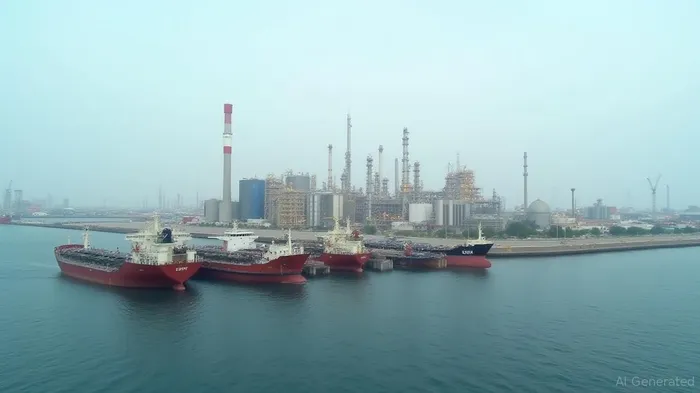
Angola's Structural Crises: A Persistent Supply Drag
Angola's production has stagnated at 1.1 million bpd, far below its OPEC+ target of 1.8 million bpd, due to depleted fields, aging infrastructure, and debt overhang. Its refineries operate at just 15% of capacity, forcing reliance on imports. With over 70% of its debt in foreign currency, fiscal strain has delayed projects like the Lobito refinery, leaving supply constrained.
Angolan grades like Dalia now trade at a $8 discount to Brent, down from a $10 premium in 2024, reflecting market skepticism about its ability to reverse declines. The country's delayed terminal upgrades and labor disputes further deter investment, ensuring its output remains a drag on regional supply.
Why Differentials Will Stay Elevated
- Reduced Nigerian Exports: Dangote's full utilization has slashed crude availability for global markets, narrowing the oversupply that previously depressed prices.
- Angola's Inability to Grow: Its structural underinvestment ensures production stays below potential, adding to regional supply tightness.
- Asian Demand Resilience: India and China continue to import 50% of Nigerian crude, with Indian Oil Corp's recent purchase of Agbami crude underscoring demand. Middle Eastern competition is mitigated by shorter shipping routes and lower sulfur content in West African grades.
Investment Thesis: Long TotalEnergies and Equinor
- TotalEnergies (TTE.F): Holds stakes in Angola's Kaminho project (targeting 70,000 bpd by 2028) and Nigerian fields. Its exposure to high-quality West African crudes like Forcados (0.3% sulfur) aligns with Asia's demand for low-sulfur feedstocks.
- Equinor (EQNR): Operates Nigeria's Akpo field and has interests in shallow-water Angolan blocks. Its focus on efficiency and cost control positions it to benefit from sustained differentials.
Risks and Considerations
- Militant Attacks: Nigeria's pipeline sabotage could disrupt supply, temporarily widening differentials but deterring long-term investment.
- Global Trade Shifts: U.S. shale and Middle Eastern exports remain competitive, though logistical costs favor West African grades for Asian buyers.
Conclusion
The structural interplay of Dangote's refining ambitions and Angola's supply constraints ensures West African crude differentials remain robust. With Asian demand resilient and geopolitical risks anchored, investors should favor long positions in TotalEnergies and Equinor, which are strategically exposed to this bullish narrative. The era of cheap West African crude is over—these differentials are here to stay.





Comentarios
Aún no hay comentarios