
Wells Fargo's Regulatory Rebound: A New Era of Compliance?
Generado por agente de IAHarrison Brooks
lunes, 17 de marzo de 2025, 5:10 pm ET2 min de lectura
WFC--
In the ever-evolving landscape of financial regulation, Wells FargoWFC-- has found itself at a critical juncture. The recent termination of the 2021 loss mitigation consent order by the Office of the Comptroller of the Currency (OCC) marks a significant milestone for the beleaguered bank. This development, while a step in the right direction, raises questions about the bank's broader efforts to address historical regulatory issues and improve its governance and risk management frameworks.
The termination of the consent order, which focused on loss mitigation practices in Wells Fargo's Home Lending business, is the fifth such closure since the beginning of 2025 and the eleventh since 2019. CEO Charlie Scharf highlighted that the resolution timeframe of three and a half years is a significant improvement compared to historical orders, such as two 2011 Federal Reserve orders that were terminated earlier this year. This indicates that Wells Fargo has made substantial progress in addressing regulatory issues and improving its compliance frameworks.
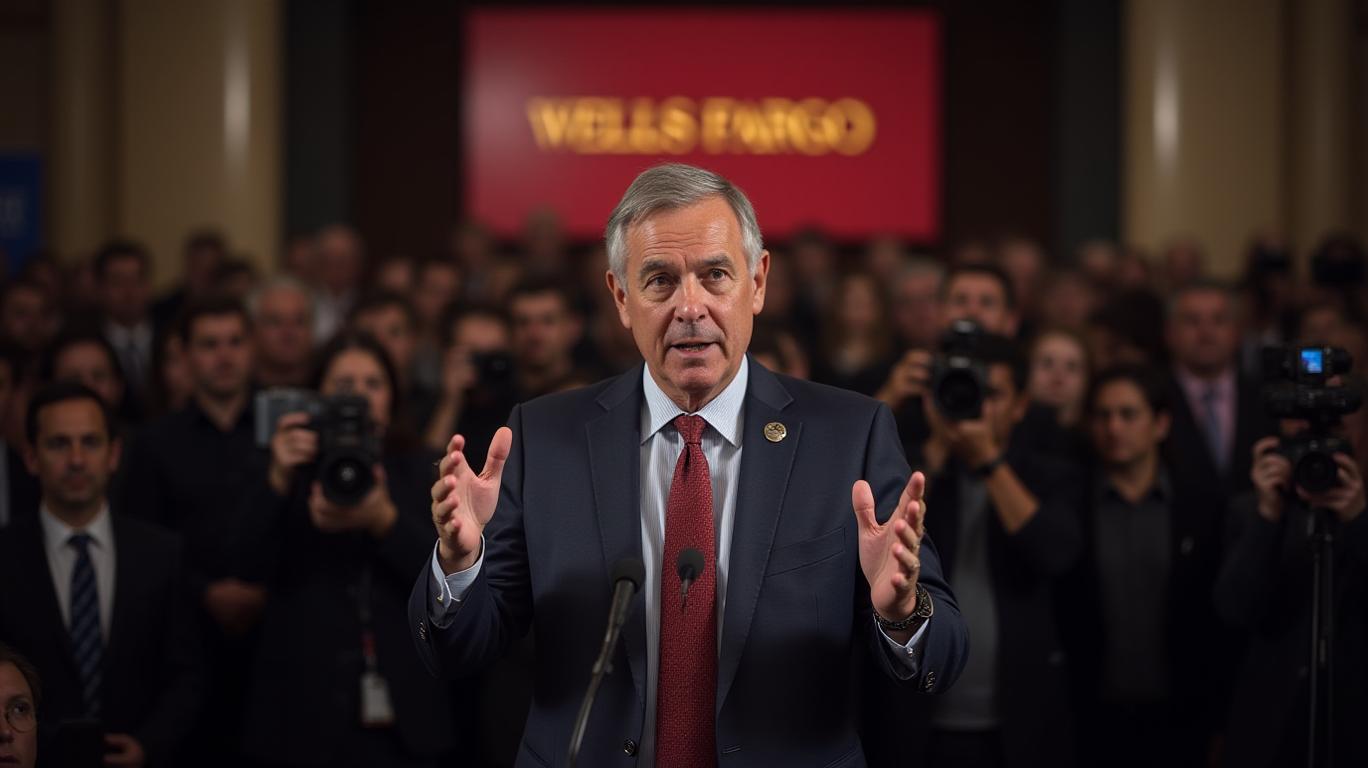
However, the question remains: is this a genuine turnaround or merely a temporary reprieve? The bank's history of regulatory scandals, including the infamous account fraud scandal, has left a lasting stain on its reputation. The termination of this consent order is a positive development, but it is just one piece of a much larger puzzle.
The resolution of this consent order reflects Wells Fargo's broader efforts to address historical regulatory issues and improve its governance and risk management frameworks. The bank has made significant progress in enhancing its compliance and risk management practices to meet regulatory standards more efficiently. This is evident in the consistent progress it has made in resolving historical issues, as demonstrated by the closure of multiple consent orders.
However, the bank's transformation efforts are not without their challenges. The regulatory landscape is constantly evolving, and banks must adapt to new standards and expectations. As noted in the regulatory outlook for 2024, "banks will need to devote significant effort to achieve compliance with these new regulations and understand the impact of these changes to their business model and ability to compete with non-regulated and foreign entities." Wells Fargo's actions align with this requirement, demonstrating a proactive approach to regulatory compliance and governance.
The termination of the consent order also reflects Wells Fargo's strategic regulatory management approach. As noted in the regulatory outlook, "Strategic regulatory management is key." Wells Fargo's proactive measures in addressing regulatory issues and improving its frameworks align with this strategic approach, ensuring that the bank is better prepared to navigate future regulatory changes.
In conclusion, the termination of the 2021 OCC consent order is a positive development for Wells Fargo, but it is just one step in a long journey towards regulatory compliance and operational excellence. The bank's broader efforts to address historical regulatory issues and improve its governance and risk management frameworks are commendable, but they must be sustained over the long term. Only then can Wells Fargo truly reclaim its reputation and regain the trust of its stakeholders.
In the ever-evolving landscape of financial regulation, Wells FargoWFC-- has found itself at a critical juncture. The recent termination of the 2021 loss mitigation consent order by the Office of the Comptroller of the Currency (OCC) marks a significant milestone for the beleaguered bank. This development, while a step in the right direction, raises questions about the bank's broader efforts to address historical regulatory issues and improve its governance and risk management frameworks.
The termination of the consent order, which focused on loss mitigation practices in Wells Fargo's Home Lending business, is the fifth such closure since the beginning of 2025 and the eleventh since 2019. CEO Charlie Scharf highlighted that the resolution timeframe of three and a half years is a significant improvement compared to historical orders, such as two 2011 Federal Reserve orders that were terminated earlier this year. This indicates that Wells Fargo has made substantial progress in addressing regulatory issues and improving its compliance frameworks.
However, the question remains: is this a genuine turnaround or merely a temporary reprieve? The bank's history of regulatory scandals, including the infamous account fraud scandal, has left a lasting stain on its reputation. The termination of this consent order is a positive development, but it is just one piece of a much larger puzzle.
The resolution of this consent order reflects Wells Fargo's broader efforts to address historical regulatory issues and improve its governance and risk management frameworks. The bank has made significant progress in enhancing its compliance and risk management practices to meet regulatory standards more efficiently. This is evident in the consistent progress it has made in resolving historical issues, as demonstrated by the closure of multiple consent orders.
However, the bank's transformation efforts are not without their challenges. The regulatory landscape is constantly evolving, and banks must adapt to new standards and expectations. As noted in the regulatory outlook for 2024, "banks will need to devote significant effort to achieve compliance with these new regulations and understand the impact of these changes to their business model and ability to compete with non-regulated and foreign entities." Wells Fargo's actions align with this requirement, demonstrating a proactive approach to regulatory compliance and governance.
The termination of the consent order also reflects Wells Fargo's strategic regulatory management approach. As noted in the regulatory outlook, "Strategic regulatory management is key." Wells Fargo's proactive measures in addressing regulatory issues and improving its frameworks align with this strategic approach, ensuring that the bank is better prepared to navigate future regulatory changes.
In conclusion, the termination of the 2021 OCC consent order is a positive development for Wells Fargo, but it is just one step in a long journey towards regulatory compliance and operational excellence. The bank's broader efforts to address historical regulatory issues and improve its governance and risk management frameworks are commendable, but they must be sustained over the long term. Only then can Wells Fargo truly reclaim its reputation and regain the trust of its stakeholders.

Divulgación editorial y transparencia de la IA: Ainvest News utiliza tecnología avanzada de Modelos de Lenguaje Largo (LLM) para sintetizar y analizar datos de mercado en tiempo real. Para garantizar los más altos estándares de integridad, cada artículo se somete a un riguroso proceso de verificación con participación humana.
Mientras la IA asiste en el procesamiento de datos y la redacción inicial, un miembro editorial profesional de Ainvest revisa, verifica y aprueba de forma independiente todo el contenido para garantizar su precisión y cumplimiento con los estándares editoriales de Ainvest Fintech Inc. Esta supervisión humana está diseñada para mitigar las alucinaciones de la IA y garantizar el contexto financiero.
Advertencia sobre inversiones: Este contenido se proporciona únicamente con fines informativos y no constituye asesoramiento profesional de inversión, legal o financiero. Los mercados conllevan riesgos inherentes. Se recomienda a los usuarios que realicen una investigación independiente o consulten a un asesor financiero certificado antes de tomar cualquier decisión. Ainvest Fintech Inc. se exime de toda responsabilidad por las acciones tomadas con base en esta información. ¿Encontró un error? Reportar un problema


SOBRE NOSOTROS
Nuestra historiaAutores de noticiasBase de conocimientosPolítica de privacidadTérmino de usoDescargo de responsabilidad de corretaje de tercerosTérminos de uso de AIMEDivulgaciones de riesgos de AInvest AICarrerasCONTÁCTENOS
Email: support@ainvest.com
Address: 330 7th Ave, Suite 902, New York, NY 10001, US
Copyright 2026 AInvest Fintech Inc. All rights reserved.


Comentarios
Aún no hay comentarios