
Weighing the Wheat: Navigating China's Climate Risks and Agri-Opportunities
The recent easing of drought conditions in China's wheat heartlands of Henan and Shaanxi offers a glimmer of hope for global commodity markets, but beneath the surface lies a complex interplay of weather-driven supply risks and strategic import opportunities. As climate volatility reshapes agricultural resilience, investors must seize the moment to capitalize on this shifting landscape.
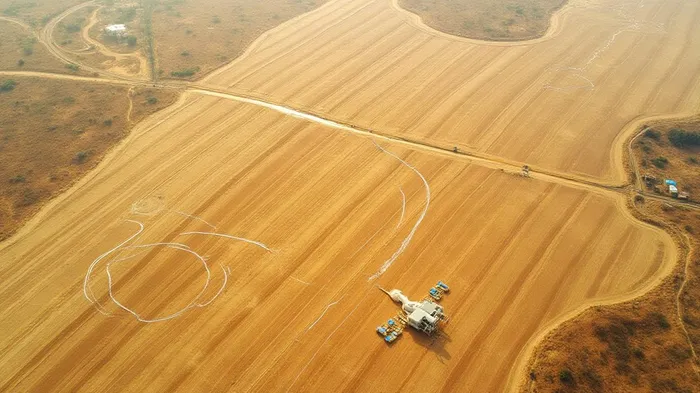
The Drought's Delicate Dance: Henan and Shaanxi Under Pressure
Henan, China's largest wheat-producing province (28% of national output), has faced an unprecedented heatwave, with temperatures spiking to a 28-day rolling average of 26.24°C—a staggering 4.25°C above its long-term average. Precipitation has collapsed to just 0.02mm, nearly matching the historic low of 2007. This has disrupted critical growth stages, such as pollen formation and grain filling, risking a significant yield shortfall. Shaanxi, contributing a smaller but vital slice of China's wheat, faces similar challenges, with below-average rainfall and elevated temperatures compounding its water deficits.
While recent meiyu rains provided modest relief in regions like Sichuan, Henan and Shaanxi remain under a yellow drought alert. Farmers are scrambling to irrigate 16.59 million mu (1.1 million hectares) of farmland—a Herculean effort to stave off disaster. Yet, the National Meteorological Center warns that climate change is creating “wild swings” in rainfall patterns, leaving little room for complacency.
Global Wheat Markets: A Tightrope Between Scarcity and Strategy
China's wheat struggles ripple globally. With 2024 output at 140 million metric tons (18% of world supply), any reduction in Henan's output—traditionally one-third of that total—could tighten global inventories. Already, wheat futures have surged due to concurrent droughts in Ukraine and flooding in U.S. wheat belts.
Beijing's response? Aggressive imports. China's state-owned enterprises are ramping up purchases of Australian and Canadian wheat, with contracts for high-protein varieties—ideal for food processing—rising sharply. This strategic shift underscores a broader truth: China's self-sufficiency goals are bending under climate pressure, creating sustained demand for international suppliers.
Investment Plays: Harvesting the Opportunities
- Agri-Commodities: Wheat futures () and related ETFs (e.g., DBA) are poised to benefit from supply tightness. Diversify into corn and soybeans, as climate stress spills over into other crops.
- Irrigation Tech: Companies like Lindsay Corporation (LNN), which supplies precision irrigation systems, stand to gain as farmers invest in water efficiency. China's push for “climate-smart agriculture” could fuel a boom in smart irrigation tech adoption.
- Exporters to China: Canadian wheat exporters like Cargill and Australian firms such as CBH Group are direct beneficiaries of Beijing's import pivot. Monitor their stock performance ().
The Bottom Line: Act Now, Before the Harvest
The window for action is narrowing. While Henan's irrigation efforts and sporadic rains may avert a catastrophic harvest, the structural risks—climate volatility, water scarcity, and shifting trade flows—are here to stay. Investors ignoring these trends risk missing out on a once-in-a-decade opportunity to profit from the reshaping of global food security.
The time to position for China's agri-resilience race is now. The fields of Henan and Shaanxi are not just growing wheat—they're sowing the seeds of the next commodity supercycle.







Comentarios
Aún no hay comentarios