
Weekly Oil Rig Count Falls, Crude Prices Edge Down Amid Sanction Risks
Generado por agente de IATheodore Quinn
viernes, 17 de enero de 2025, 3:36 pm ET2 min de lectura
BKR--
The U.S. oil and gas industry witnessed a decline in the number of active drilling rigs this week, according to data released by Baker Hughes on Friday. The total rig count fell by four to 580, the lowest level since December 2021. This decrease comes on the heels of a 5-rig drop the previous week. The number of oil rigs specifically fell by two to 478, also the lowest since November 2024.

The decline in rigs is part of a broader trend in the U.S. energy sector, with the oil and gas rig count having declined by about 5% in 2024 and 20% in 2023. This trend is attributed to lower U.S. oil and gas prices, which have prompted energy firms to focus more on paying down debt and boosting shareholder returns rather than raising output.
The decrease in rigs is expected to impact crude production in both the short and long term. In the short term, the U.S. Energy Information Administration (EIA) reported that weekly U.S. crude oil production for the week ending January 10, 2025, dipped to 13.481 million barrels per day (bpd), from 13.563 million bpd in the previous week. The EIA's Short-Term Energy Outlook (STEO) projects that crude oil production will rise from a record 13.2 million bpd in 2024 to around 13.6 million bpd in 2025, indicating a slowdown in production growth.
In the long term, analysts forecast U.S. spot crude prices to decline for a third year in a row in 2025, which could lead to further reductions in drilling activity and a continued slowdown in crude oil production growth. However, the EIA projects that crude oil production will still increase in the long term, reaching around 13.6 million bpd in 2025.
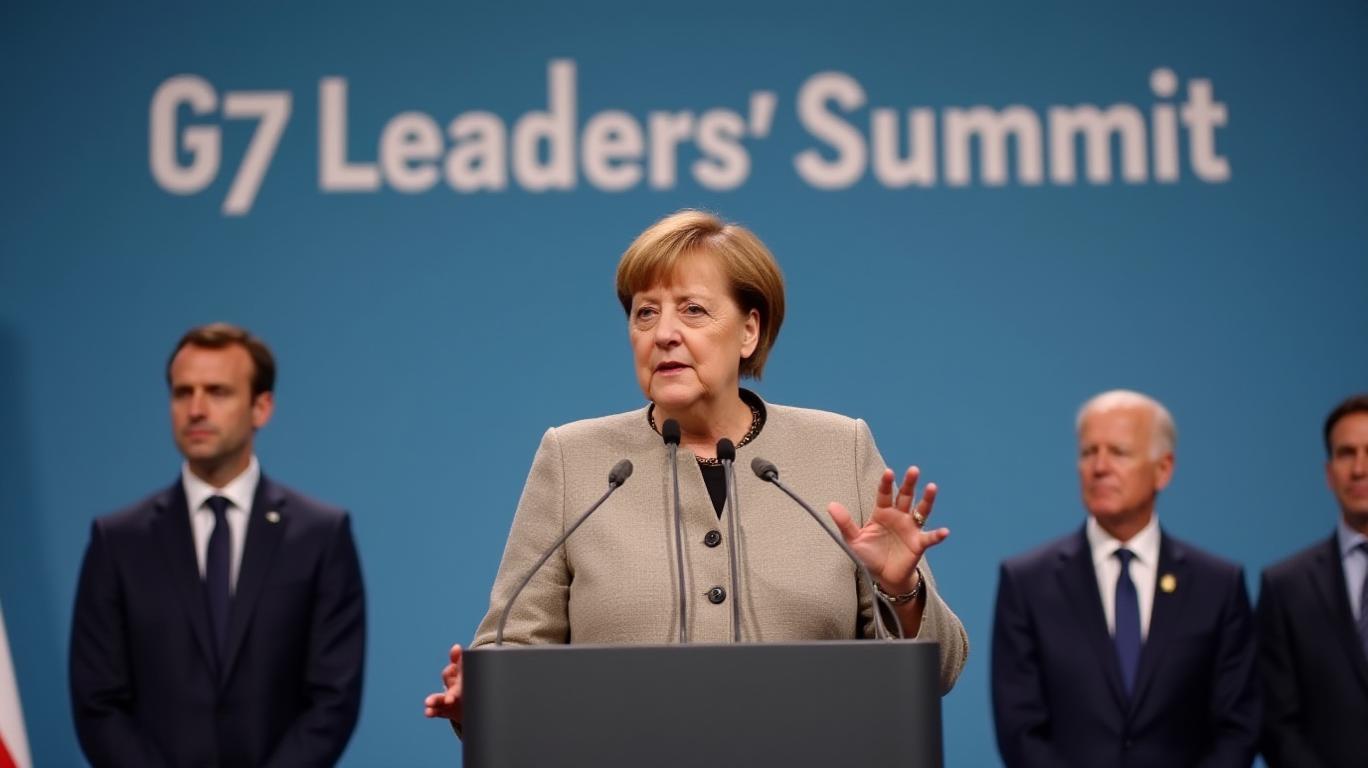
Meanwhile, crude oil prices have been edging down amid concerns over potential supply disruptions due to sanctions on Russian oil exports. The G7 price cap on Russian oil, which limits the price of Russian crude oil to $60 per barrel, is expected to influence India's purchasing decisions. India, being one of the largest buyers of Russian oil, may face difficulties in finding alternative suppliers willing to sell at the capped price. The cap may also lead to a reduction in the quantity of Russian oil available for export, as Russia may choose to redirect its oil to other markets where it can fetch a higher price. Additionally, the cap may lead to an increase in the price of Russian oil in the global market, as Russia may try to offset the loss of revenue by increasing the price of its oil in other markets.
In conclusion, the decline in U.S. oil rigs is expected to impact crude production in both the short and long term, while crude oil prices have been edging down amid concerns over potential supply disruptions due to sanctions on Russian oil exports. The G7 price cap on Russian oil is expected to influence India's purchasing decisions, potentially leading to difficulties in finding alternative suppliers and a reduction in the quantity of Russian oil available for export.
The U.S. oil and gas industry witnessed a decline in the number of active drilling rigs this week, according to data released by Baker Hughes on Friday. The total rig count fell by four to 580, the lowest level since December 2021. This decrease comes on the heels of a 5-rig drop the previous week. The number of oil rigs specifically fell by two to 478, also the lowest since November 2024.
The decline in rigs is part of a broader trend in the U.S. energy sector, with the oil and gas rig count having declined by about 5% in 2024 and 20% in 2023. This trend is attributed to lower U.S. oil and gas prices, which have prompted energy firms to focus more on paying down debt and boosting shareholder returns rather than raising output.
The decrease in rigs is expected to impact crude production in both the short and long term. In the short term, the U.S. Energy Information Administration (EIA) reported that weekly U.S. crude oil production for the week ending January 10, 2025, dipped to 13.481 million barrels per day (bpd), from 13.563 million bpd in the previous week. The EIA's Short-Term Energy Outlook (STEO) projects that crude oil production will rise from a record 13.2 million bpd in 2024 to around 13.6 million bpd in 2025, indicating a slowdown in production growth.
In the long term, analysts forecast U.S. spot crude prices to decline for a third year in a row in 2025, which could lead to further reductions in drilling activity and a continued slowdown in crude oil production growth. However, the EIA projects that crude oil production will still increase in the long term, reaching around 13.6 million bpd in 2025.
Meanwhile, crude oil prices have been edging down amid concerns over potential supply disruptions due to sanctions on Russian oil exports. The G7 price cap on Russian oil, which limits the price of Russian crude oil to $60 per barrel, is expected to influence India's purchasing decisions. India, being one of the largest buyers of Russian oil, may face difficulties in finding alternative suppliers willing to sell at the capped price. The cap may also lead to a reduction in the quantity of Russian oil available for export, as Russia may choose to redirect its oil to other markets where it can fetch a higher price. Additionally, the cap may lead to an increase in the price of Russian oil in the global market, as Russia may try to offset the loss of revenue by increasing the price of its oil in other markets.
In conclusion, the decline in U.S. oil rigs is expected to impact crude production in both the short and long term, while crude oil prices have been edging down amid concerns over potential supply disruptions due to sanctions on Russian oil exports. The G7 price cap on Russian oil is expected to influence India's purchasing decisions, potentially leading to difficulties in finding alternative suppliers and a reduction in the quantity of Russian oil available for export.

Divulgación editorial y transparencia de la IA: Ainvest News utiliza tecnología avanzada de Modelos de Lenguaje Largo (LLM) para sintetizar y analizar datos de mercado en tiempo real. Para garantizar los más altos estándares de integridad, cada artículo se somete a un riguroso proceso de verificación con participación humana.
Mientras la IA asiste en el procesamiento de datos y la redacción inicial, un miembro editorial profesional de Ainvest revisa, verifica y aprueba de forma independiente todo el contenido para garantizar su precisión y cumplimiento con los estándares editoriales de Ainvest Fintech Inc. Esta supervisión humana está diseñada para mitigar las alucinaciones de la IA y garantizar el contexto financiero.
Advertencia sobre inversiones: Este contenido se proporciona únicamente con fines informativos y no constituye asesoramiento profesional de inversión, legal o financiero. Los mercados conllevan riesgos inherentes. Se recomienda a los usuarios que realicen una investigación independiente o consulten a un asesor financiero certificado antes de tomar cualquier decisión. Ainvest Fintech Inc. se exime de toda responsabilidad por las acciones tomadas con base en esta información. ¿Encontró un error? Reportar un problema


SOBRE NOSOTROS
Nuestra historiaAutores de noticiasBase de conocimientosPolítica de privacidadTérmino de usoDescargo de responsabilidad de corretaje de tercerosTérminos de uso de AIMEDivulgaciones de riesgos de AInvest AICarrerasCONTÁCTENOS
Email: support@ainvest.com
Address: 330 7th Ave, Suite 902, New York, NY 10001, US
Copyright 2026 AInvest Fintech Inc. All rights reserved.


Comentarios
Aún no hay comentarios