
This Week in Bidenomics: 4 Problems for Trump
Generado por agente de IAWesley Park
sábado, 18 de enero de 2025, 10:13 am ET2 min de lectura
JOE--
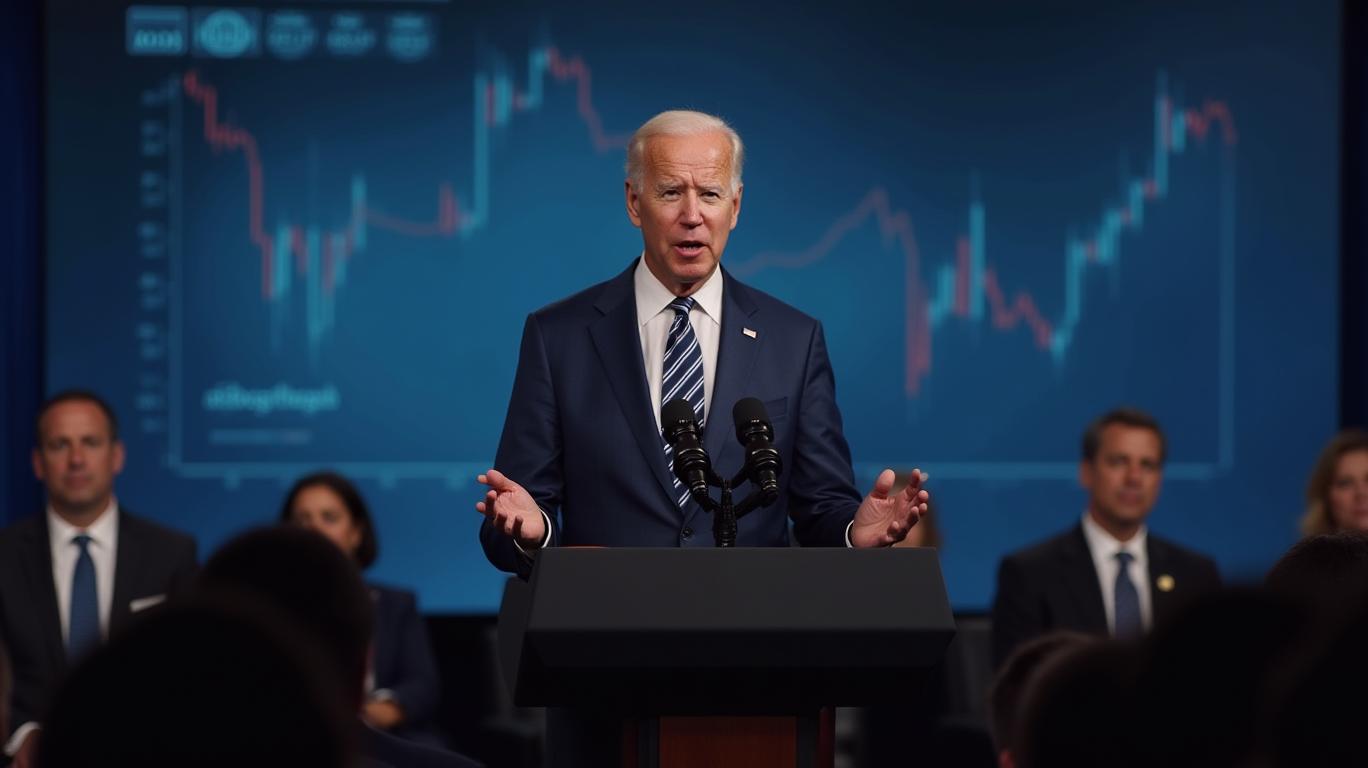
As President Joe Biden continues to shape his economic agenda, it's clear that his policies aim to rectify several issues stemming from the Trump administration. Here are four key problems that Bidenomics seeks to address:
1. Trade Wars and Tariffs:
Bidenomics aims to reduce tariffs and promote fairer trade practices. Biden has taken steps to review and reduce tariffs imposed by the Trump administration, such as the Section 232 tariffs on steel and aluminum imports. Additionally, Biden has rejoined international trade agreements like the Paris Agreement and is working to rejoin the Trans-Pacific Partnership (TPP) negotiations. These moves aim to address the disruptions caused by Trump's trade wars and tariffs and promote more balanced trade relations.
2. Income Inequality:
Bidenomics focuses on reducing income inequality by increasing taxes on wealthy individuals and corporations. The Inflation Reduction Act of 2022, for instance, includes a 15% minimum tax on corporations with profits over $1 billion. Additionally, Bidenomics supports union participation, which can help workers negotiate better wages and benefits. The PRO Act, a key piece of legislation in Bidenomics, would make it easier for workers to organize and collectively bargain. These policies aim to address the income inequality that persisted and even worsened during the Trump administration.
3. Economic Recovery from the COVID-19 Pandemic:
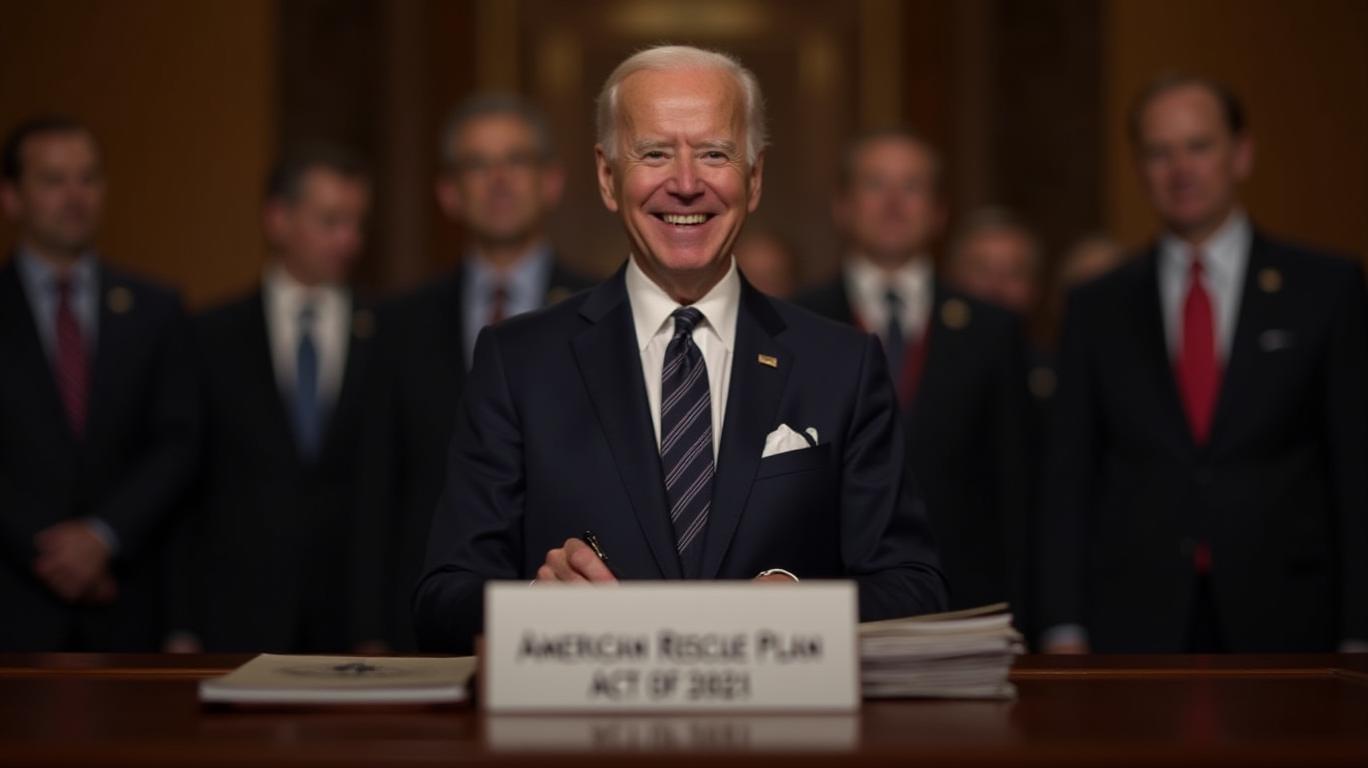
Bidenomics focuses on supporting the economic recovery from the COVID-19 pandemic through public investment and targeted relief. The American Rescue Plan Act of 2021, a key component of Bidenomics, provided $1.9 trillion in economic rescue funds to help the U.S. recover from the pandemic. This legislation included direct stimulus payments to individuals, support for small businesses, and funds for testing and vaccination efforts. These measures aim to address the economic challenges faced by Americans as a result of the pandemic, which were exacerbated by the Trump administration's handling of the crisis.
4. Deficit and National Public Debt:
Bidenomics aims to address the deficit and national public debt through a combination of increased taxes on the wealthy and corporations, as well as strategic public investments. While Biden's proposals would add to the debt, they are designed to stimulate economic growth and reduce inequality, rather than relying on trickle-down economics. The Inflation Reduction Act of 2022, for example, includes measures to raise taxes on corporations and high-income individuals, as well as investments in clean energy and healthcare. These policies aim to address the deficit and national public debt while promoting economic growth and reducing inequality.
In conclusion, Bidenomics seeks to address several key problems stemming from the Trump administration, including trade wars and tariffs, income inequality, economic recovery from the COVID-19 pandemic, and the deficit and national public debt. By focusing on public investment, worker empowerment, and promoting business competition, Bidenomics aims to build an economy that works for everyone.
As President Joe Biden continues to shape his economic agenda, it's clear that his policies aim to rectify several issues stemming from the Trump administration. Here are four key problems that Bidenomics seeks to address:
1. Trade Wars and Tariffs:
Bidenomics aims to reduce tariffs and promote fairer trade practices. Biden has taken steps to review and reduce tariffs imposed by the Trump administration, such as the Section 232 tariffs on steel and aluminum imports. Additionally, Biden has rejoined international trade agreements like the Paris Agreement and is working to rejoin the Trans-Pacific Partnership (TPP) negotiations. These moves aim to address the disruptions caused by Trump's trade wars and tariffs and promote more balanced trade relations.
2. Income Inequality:
Bidenomics focuses on reducing income inequality by increasing taxes on wealthy individuals and corporations. The Inflation Reduction Act of 2022, for instance, includes a 15% minimum tax on corporations with profits over $1 billion. Additionally, Bidenomics supports union participation, which can help workers negotiate better wages and benefits. The PRO Act, a key piece of legislation in Bidenomics, would make it easier for workers to organize and collectively bargain. These policies aim to address the income inequality that persisted and even worsened during the Trump administration.
3. Economic Recovery from the COVID-19 Pandemic:
Bidenomics focuses on supporting the economic recovery from the COVID-19 pandemic through public investment and targeted relief. The American Rescue Plan Act of 2021, a key component of Bidenomics, provided $1.9 trillion in economic rescue funds to help the U.S. recover from the pandemic. This legislation included direct stimulus payments to individuals, support for small businesses, and funds for testing and vaccination efforts. These measures aim to address the economic challenges faced by Americans as a result of the pandemic, which were exacerbated by the Trump administration's handling of the crisis.
4. Deficit and National Public Debt:
Bidenomics aims to address the deficit and national public debt through a combination of increased taxes on the wealthy and corporations, as well as strategic public investments. While Biden's proposals would add to the debt, they are designed to stimulate economic growth and reduce inequality, rather than relying on trickle-down economics. The Inflation Reduction Act of 2022, for example, includes measures to raise taxes on corporations and high-income individuals, as well as investments in clean energy and healthcare. These policies aim to address the deficit and national public debt while promoting economic growth and reducing inequality.
In conclusion, Bidenomics seeks to address several key problems stemming from the Trump administration, including trade wars and tariffs, income inequality, economic recovery from the COVID-19 pandemic, and the deficit and national public debt. By focusing on public investment, worker empowerment, and promoting business competition, Bidenomics aims to build an economy that works for everyone.

Divulgación editorial y transparencia de la IA: Ainvest News utiliza tecnología avanzada de Modelos de Lenguaje Largo (LLM) para sintetizar y analizar datos de mercado en tiempo real. Para garantizar los más altos estándares de integridad, cada artículo se somete a un riguroso proceso de verificación con participación humana.
Mientras la IA asiste en el procesamiento de datos y la redacción inicial, un miembro editorial profesional de Ainvest revisa, verifica y aprueba de forma independiente todo el contenido para garantizar su precisión y cumplimiento con los estándares editoriales de Ainvest Fintech Inc. Esta supervisión humana está diseñada para mitigar las alucinaciones de la IA y garantizar el contexto financiero.
Advertencia sobre inversiones: Este contenido se proporciona únicamente con fines informativos y no constituye asesoramiento profesional de inversión, legal o financiero. Los mercados conllevan riesgos inherentes. Se recomienda a los usuarios que realicen una investigación independiente o consulten a un asesor financiero certificado antes de tomar cualquier decisión. Ainvest Fintech Inc. se exime de toda responsabilidad por las acciones tomadas con base en esta información. ¿Encontró un error? Reportar un problema




Comentarios
Aún no hay comentarios