
Web3 Infrastructure as the Next Frontier in Digital Sovereignty
The digital sovereignty movement is accelerating, driven by a confluence of technological innovation, regulatory clarity, and institutional demand for decentralized solutions. Web3 infrastructure-encompassing blockchain protocols, custody services, and decentralized identity systems-is emerging as the bedrock of this transformation. For investors, the intersection of Web3 and digital sovereignty presents a unique opportunity to capitalize on protocols and communities redefining data ownership, asset tokenization, and trustless governance.
Market Growth and Institutional Adoption: A Catalyst for Digital Sovereignty
The Web3 infrastructure market is projected to grow from $4.43 billion in 2024 to $226.4 billion by 2034, fueled by a 48.2% CAGR. This surge is underpinned by institutional adoption, with over 70% of institutional investors planning to increase exposure to digital assets in the next three years. Regulatory frameworks such as the EU's Markets in Crypto-Assets (MiCA) and the U.S. Financial Innovation and Technology for the 21st Century Act (FIT21) are creating a structured environment for Web3 adoption, reducing compliance risks and fostering trust.
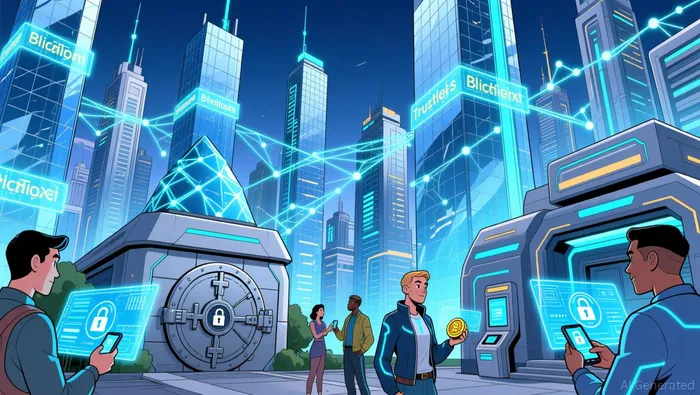
Blockchain custody services, in particular, are becoming a cornerstone of digital sovereignty. As the digital asset market surpasses $3 trillion in value, secure custody is no longer optional but a prerequisite for institutional participation. Institutions are leveraging multi-party computation (MPC), cold storage, and regulatory-compliant solutions to manage private keys, mitigating the operational risks of self-custody. This shift is critical for tokenized real-world assets (RWAs), which require robust infrastructure to facilitate large-scale investment.
Decentralized Identity and Tokenization: Reclaiming Control
Decentralized identity systems are reshaping the digital sovereignty landscape. Platforms like the Global Digital Identity Alliance (DID Alliance) are empowering individuals to control their identities using zero-knowledge proofs (ZKPs), ensuring privacy without compromising verification. This aligns with Web3's core ethos of user sovereignty, where individuals retain ownership of their data and digital assets.
Tokenization of RWAs-such as real estate, art, and commodities-is another transformative trend. By enabling fractional ownership through blockchain, tokenization democratizes access to traditionally exclusive markets. For instance, 75% of asset managers are now exploring or actively investing in tokenized real estate, with the market projected to reach $16 trillion by 2030. This growth is supported by smart contracts that automate transactions, reduce inefficiencies, and enhance liquidity.
Community-Driven Protocols and Sustainable Innovation
Community-driven initiatives are unlocking new value layers in Web3. Decentralized Physical Infrastructure Networks (DePINs), such as Spacecoin and Helium, are decentralizing real-world infrastructure, from satellite internet to IoT networks. These projects not only democratize access to critical services but also generate revenue for participants, creating a flywheel of decentralized innovation.
Sustainability is another key focus area. The shift to energy-efficient consensus mechanisms like Proof-of-Stake (PoS), exemplified by Ethereum's transition, is aligning blockchain with global sustainability goals. Venture capital firms like Daxos Capital and Stellation Capital are prioritizing infrastructure projects that balance scalability with environmental responsibility.
Strategic Investment Opportunities
Investors should prioritize protocols and communities addressing three core areas:
1. Secure Custody Solutions: Firms offering institutional-grade custody services, such as State Street and Safeheron, are positioned to benefit from the $3 trillion market.
2. Tokenized RWAs: Platforms enabling fractional ownership of real-world assets, particularly in real estate and commodities, are attracting institutional capital.
3. DePINs and Sustainable Blockchains: Projects like Helium and energy-efficient protocols are gaining traction as regulators and investors prioritize long-term viability.
The integration of AI with Web3 further amplifies these opportunities. Decentralized Finance AI (DeFAI) is automating trading and risk management, while AI-driven security measures enhance the scalability of decentralized applications as research shows.
Conclusion: A New Era of Digital Sovereignty
Web3 infrastructure is not merely a technological shift but a paradigm redefining how value and identity are managed in the digital age. For investors, the strategic focus on protocols and communities driving decentralized innovation-secure custody, tokenization, and sustainable infrastructure-offers exposure to a market poised for exponential growth. As regulatory frameworks mature and institutional adoption accelerates, Web3 is set to become the backbone of digital sovereignty, empowering individuals and institutions alike to reclaim control over their digital futures.





Comentarios
Aún no hay comentarios