
Web3 Gaming: The New Era of Competitive Play and Sustainable Rewards
The Next Era of Web3 Gaming: Competitive Gameplays and Sustainable Incentives
The gaming industry is on the cusp of a revolution, with Web3 technologies poised to transform the way games are played, developed, and monetized. As blockchain, non-fungible tokens (NFTs), and decentralized finance (DeFi) gain traction, the gaming landscape is evolving, giving rise to new opportunities and challenges.
One of the most significant trends in Web3 gaming is the shift towards competitive gameplay. Blockchain-based games, such as Axie Infinity and The Sandbox, are fostering a new era of competitive gaming by leveraging the power of decentralized networks. These games allow players to own their in-game assets as NFTs, creating a true ownership economy where players can buy, sell, and trade digital items.
Moreover, the integration of DeFi protocols into gaming platforms is enabling new forms of sustainable incentives. Players can now earn real-world value by participating in games, creating a more engaging and rewarding experience. For instance, games like Decentraland and The Graph offer token rewards for users who contribute to their networks, fostering a decentralized and sustainable ecosystem.
However, the transition to Web3 gaming is not without its challenges. One of the primary concerns is the need for interoperability between different blockchains and gaming platforms. As the Web3 gaming ecosystem grows, it is crucial to ensure that players can seamlessly interact with various games and platforms without being locked into a single network.
To address this challenge, several trustless interoperability protocols have emerged, connecting different blockchains and enabling cross-chain asset transfers. These protocols, such as Zeus Network, THORchain, and Stacks, facilitate seamless communication between blockchains, allowing users to move assets between networks without the need for intermediaries.
Zeus Network, for example, is a decentralized communication layer that enables Bitcoin users to integrate their tokens into the Solana blockchain ecosystem. It enhances the utility of BTC by leveraging Solana's features, such as fast transaction speeds and scalability. Similarly, THORchain is a decentralized exchange protocol within the Cosmos blockchain ecosystem that enables permissionless swaps of digital assets across Cosmos and other blockchains without the need to wrap tokens.
Stacks, another innovative platform, focuses on Bitcoin interoperability and introduces smart contract functionality to the 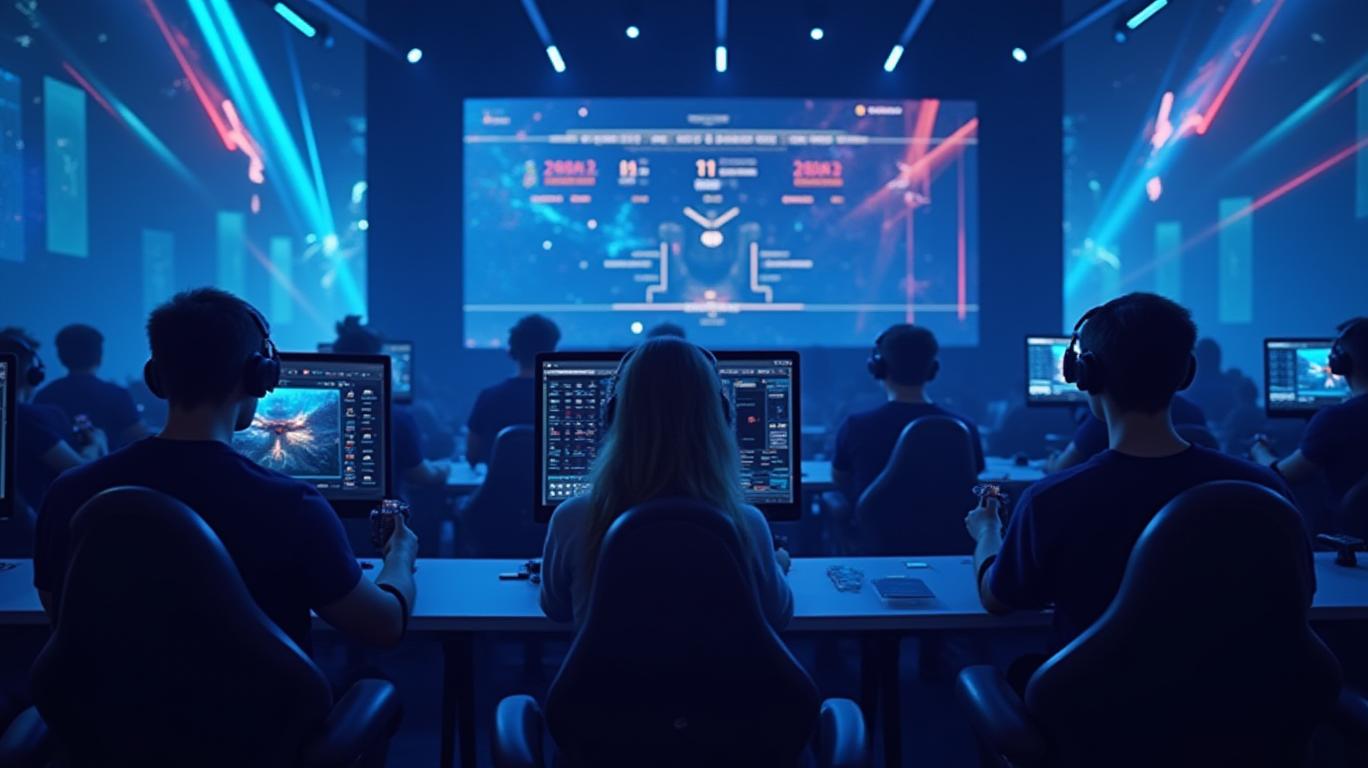





Comentarios
Aún no hay comentarios