
Weathering the Storm: Investing in Safety and Insurance for Water Tourism's Future
The Caldor Fire of 2021, which ravaged LakeLAKE-- Tahoe's iconic recreational landscape, has become a stark reminder of the vulnerability of water tourism to climate-driven disasters. With over 1,000 structures destroyed, $1.2 billion in economic losses, and evacuation bottlenecks that left 53,000 people stranded for hours, the disaster has exposed critical gaps in preparedness. Yet, amid the ashes of Sierra-at-Tahoe's ski resort—a $5 million casualty—lies an opportunity for investors: the rise of safety technology and insurance innovation as cornerstones of resilient tourism infrastructure. This article explores how these sectors can transform risk into reward in post-disaster water tourism economies.
The Caldor Fire: A Blueprint for Disaster's Impact
Lake Tahoe's tourism ecosystem, a $50 million annual contributor via its ski resorts alone, was brought to its knees by the Caldor Fire. The fire's pathPATH-- highlighted two systemic weaknesses:
1. Infrastructure fragility: Narrow, two-lane roads around the lake, overwhelmed during peak tourist seasons, delayed evacuations by up to 14 hours.
2. Environmental overreach: 99% of South Lake Tahoe properties face wildfire risk, yet developments like the Village at Palisades Tahoe continue to expand—threatening to compound evacuation challenges.
The disaster also underscored the broader truth: climate volatility is no longer a distant threat but an immediate reality for water tourism hubs worldwide. From coastal resorts to mountain lakes, rising temperatures and erratic weather patterns demand urgent adaptation.
Safety Technology: The New Lifeline for Tourism Infrastructure
The path to resilience begins with predictive and real-time safety technologies, which are now indispensable for water tourism operators. Consider these emerging opportunities:
1. Wildfire Detection and Prevention Tech
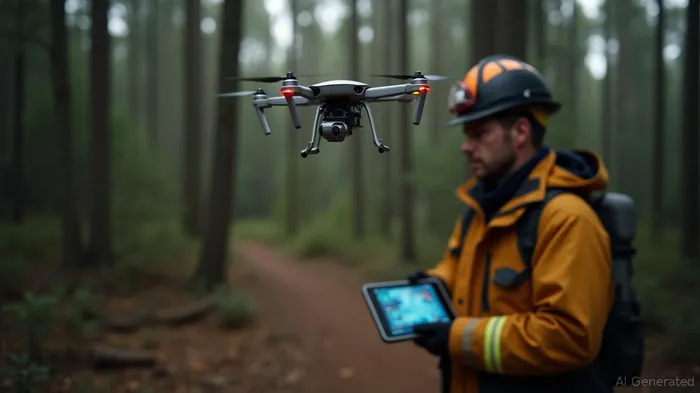
- IoT Sensors and Drones: Companies like FLIR Systems (FLIR) are deploying thermal imaging drones and AI-driven sensors to monitor forest health and detect wildfires in real time.
- Prescriptive Analytics: Startups like IBM (via its Weather Company division) offer tools to predict wildfire risks by analyzing soil moisture, wind patterns, and vegetation health.
2. Smart Evacuation Systems
- Dynamic Route Optimization: Platforms such as INRIX leverage traffic data to reroute evacuations, reducing gridlock. Imagine a system that prioritizes emergency vehicles while guiding tourists to alternate routes during a crisis.
- Crowdsourced Safety Apps: Apps like Waze for Emergency Evacuations could become essential for real-time updates on road closures and fire hotspots.
3. Climate-Resilient Infrastructure
- Adaptive Building Materials: Insulated, fire-resistant materials (e.g., those from BASF) can reduce structural vulnerability.
- Erosion Control Tech: Startups like Erosion Control Solutions use AI to design slope-stabilizing systems for lakeside resorts.
Insurance: From Risk Mitigation to Profit Engine
The insurance sector is undergoing a quiet revolution, driven by the need to cover climate-exposed tourism assets. Here's where investors should look:
1. Parametric Insurance: Faster Recovery, Lower Costs
Parametric policies, which trigger payouts automatically upon meeting predefined conditions (e.g., fire proximity or evacuation orders), are gaining traction. AXA and Swiss Re are pioneers in this space, offering coverage for ski resorts and coastal resorts at a fraction of traditional premiums.
2. Liability Coverage for Developers
As projects like the Village at Palisades Tahoe expand in high-risk zones, construction defect insurance and environmental liability policies will become mandatory. Insurers like Chubb and Travelers are already tailoring products to cover wildfire-related losses for developers.
3. Climate-Adjusted Premiums
Premiums for properties in fire-prone areas are rising, but this creates a niche for reinsurance firms (e.g., Munich Re) to underwrite portfolios of high-risk tourism assets.
Data-Driven Investment Opportunities
- Tech Sector:
- Insurance Sector:
Risks and Considerations
- Regulatory Hurdles: Stringent environmental regulations may slow tech adoption.
- Cost Barriers: Small resorts may struggle to afford high-tech solutions.
- Market Saturation: Over-investment in niche tech could lead to price wars.
Conclusion: Building a Safer Future, One Investment at a Time
The Lake Tahoe disaster has forced water tourism stakeholders to confront uncomfortable truths. For investors, the answer lies in backing scalable safety technologies and innovative insurance products—sectors that will underpin the next era of climate-resilient tourism. As resorts like Sierra-at-Tahoe rebuild, they'll need drones, sensors, and smart policies to ensure they're not just surviving but thriving in an era of unprecedented risk.
The time to act is now. Climate adaptation isn't just about avoiding losses—it's about turning survival into opportunity.





Comentarios
Aún no hay comentarios