
Waymo's Expansion: A Threat to Uber and Lyft?
Generado por agente de IAWesley Park
viernes, 31 de enero de 2025, 1:45 am ET1 min de lectura
GOOG--
Waymo, the self-driving division of Google parent Alphabet, is set to expand its autonomous taxi testing to more than 10 new cities this year, including Las Vegas and San Diego. This move comes as the company seeks to refine its autonomous driving technology across diverse urban environments and road conditions. However, this expansion could pose a significant threat to ride-hailing giants like Uber and Lyft, which have long dominated the market.
Waymo's testing will begin with manual driving through the densest and most complex parts of each city, including city centers and freeways. The company will send a limited fleet of vehicles to each city, where trained human autonomous specialists will be behind the wheel at all times. This approach allows Waymo to gather valuable data and insights about the local driving conditions and adapt its technology accordingly.
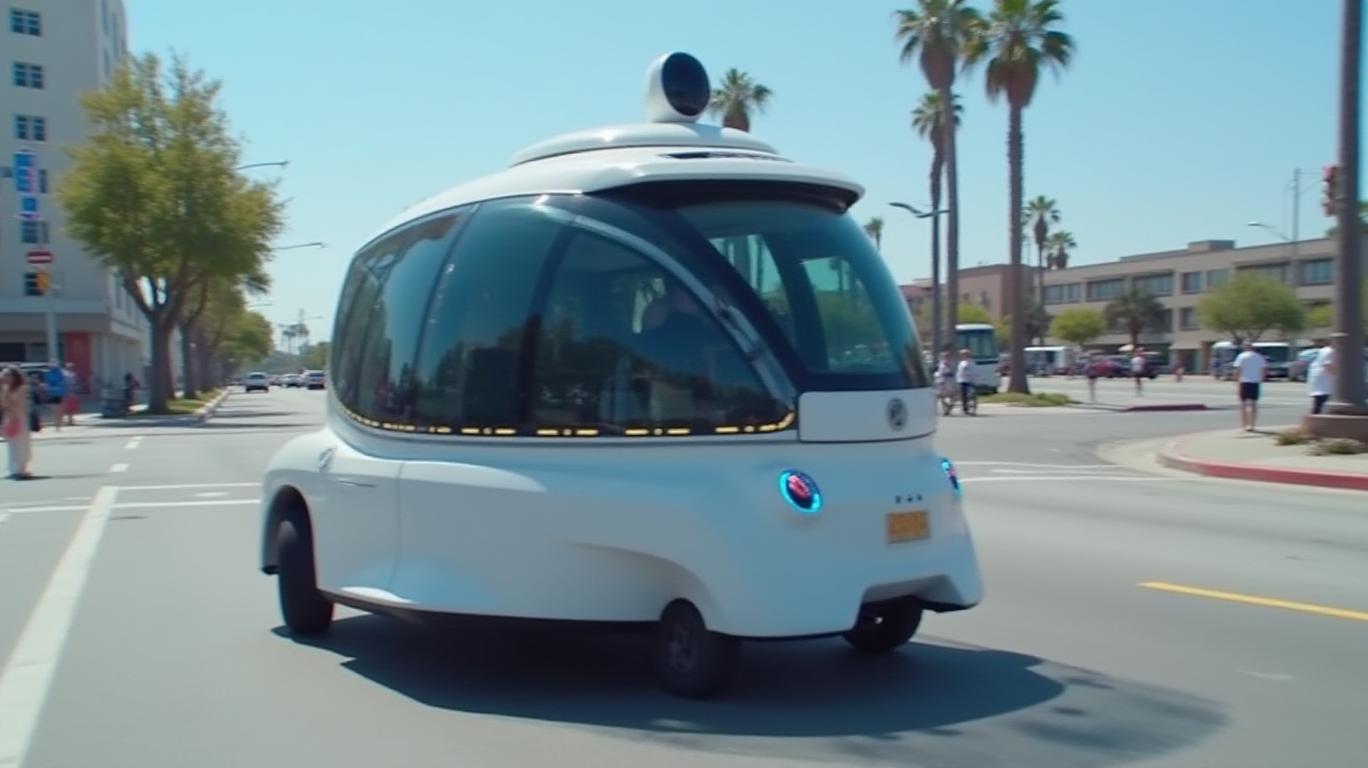
Waymo's expansion into Las Vegas and San Diego will likely intensify competition in the ride-hailing services market, particularly for companies like Uber and Lyft. Here's how:
1. New Market Entrant: Waymo's entry into these cities will introduce a new player in the ride-hailing market, increasing competition for passengers and drivers.
2. Autonomous Technology: Waymo's use of autonomous vehicles could potentially offer a more efficient and cost-effective service compared to traditional ride-hailing services, which rely on human drivers. This could attract more passengers, reducing the market share of companies like Uber and Lyft.
3. Potential Cost Savings: Autonomous vehicles can reduce labor costs, as they don't require drivers. This could allow Waymo to offer lower fares, making it more attractive to price-sensitive passengers.
However, it's important to note that Waymo's initial testing in these cities will be conducted with human safety drivers behind the wheel. The company has not confirmed if it will launch a robotaxi service in any of the cities it tests in this year. Therefore, the full impact on the competitive landscape will depend on Waymo's future plans and the success of its testing operations.
In conclusion, Waymo's expansion into Las Vegas and San Diego could pose a significant threat to ride-hailing giants like Uber and Lyft. As Waymo continues to refine its autonomous driving technology and gather data from diverse urban environments, it may be able to offer a more efficient and cost-effective service, attracting more passengers and reducing the market share of its competitors. However, the full impact of Waymo's expansion will depend on the company's future plans and the success of its testing operations. Investors and industry observers should keep a close eye on Waymo's progress and its potential impact on the ride-hailing market.
GOOGL--
LYFT--
UBER--
Waymo, the self-driving division of Google parent Alphabet, is set to expand its autonomous taxi testing to more than 10 new cities this year, including Las Vegas and San Diego. This move comes as the company seeks to refine its autonomous driving technology across diverse urban environments and road conditions. However, this expansion could pose a significant threat to ride-hailing giants like Uber and Lyft, which have long dominated the market.
Waymo's testing will begin with manual driving through the densest and most complex parts of each city, including city centers and freeways. The company will send a limited fleet of vehicles to each city, where trained human autonomous specialists will be behind the wheel at all times. This approach allows Waymo to gather valuable data and insights about the local driving conditions and adapt its technology accordingly.
Waymo's expansion into Las Vegas and San Diego will likely intensify competition in the ride-hailing services market, particularly for companies like Uber and Lyft. Here's how:
1. New Market Entrant: Waymo's entry into these cities will introduce a new player in the ride-hailing market, increasing competition for passengers and drivers.
2. Autonomous Technology: Waymo's use of autonomous vehicles could potentially offer a more efficient and cost-effective service compared to traditional ride-hailing services, which rely on human drivers. This could attract more passengers, reducing the market share of companies like Uber and Lyft.
3. Potential Cost Savings: Autonomous vehicles can reduce labor costs, as they don't require drivers. This could allow Waymo to offer lower fares, making it more attractive to price-sensitive passengers.
However, it's important to note that Waymo's initial testing in these cities will be conducted with human safety drivers behind the wheel. The company has not confirmed if it will launch a robotaxi service in any of the cities it tests in this year. Therefore, the full impact on the competitive landscape will depend on Waymo's future plans and the success of its testing operations.
In conclusion, Waymo's expansion into Las Vegas and San Diego could pose a significant threat to ride-hailing giants like Uber and Lyft. As Waymo continues to refine its autonomous driving technology and gather data from diverse urban environments, it may be able to offer a more efficient and cost-effective service, attracting more passengers and reducing the market share of its competitors. However, the full impact of Waymo's expansion will depend on the company's future plans and the success of its testing operations. Investors and industry observers should keep a close eye on Waymo's progress and its potential impact on the ride-hailing market.

Divulgación editorial y transparencia de la IA: Ainvest News utiliza tecnología avanzada de Modelos de Lenguaje Largo (LLM) para sintetizar y analizar datos de mercado en tiempo real. Para garantizar los más altos estándares de integridad, cada artículo se somete a un riguroso proceso de verificación con participación humana.
Mientras la IA asiste en el procesamiento de datos y la redacción inicial, un miembro editorial profesional de Ainvest revisa, verifica y aprueba de forma independiente todo el contenido para garantizar su precisión y cumplimiento con los estándares editoriales de Ainvest Fintech Inc. Esta supervisión humana está diseñada para mitigar las alucinaciones de la IA y garantizar el contexto financiero.
Advertencia sobre inversiones: Este contenido se proporciona únicamente con fines informativos y no constituye asesoramiento profesional de inversión, legal o financiero. Los mercados conllevan riesgos inherentes. Se recomienda a los usuarios que realicen una investigación independiente o consulten a un asesor financiero certificado antes de tomar cualquier decisión. Ainvest Fintech Inc. se exime de toda responsabilidad por las acciones tomadas con base en esta información. ¿Encontró un error? Reportar un problema




Comentarios
Aún no hay comentarios