
Waymo's Data Gambit: The Next Big Thing in AI?
Generado por agente de IAWesley Park
lunes, 7 de abril de 2025, 9:02 pm ET2 min de lectura
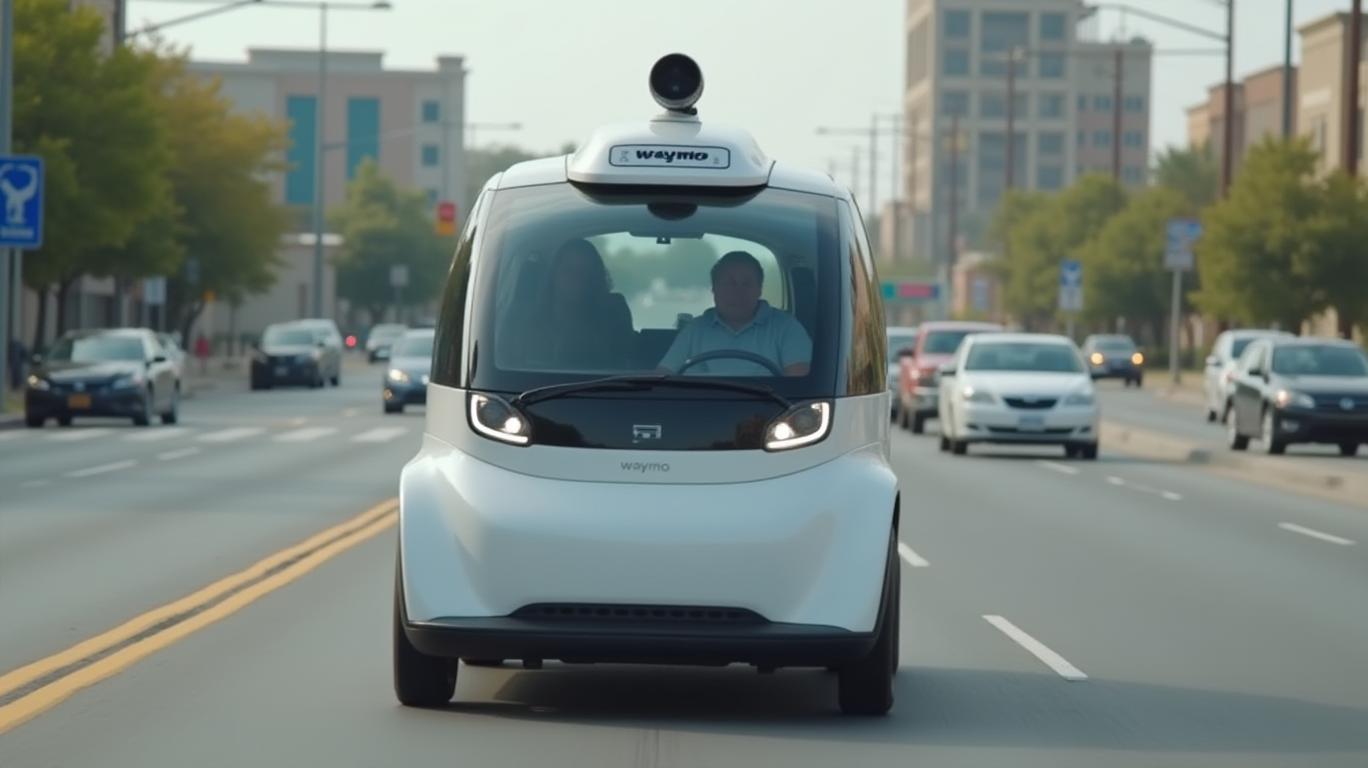
Ladies and gentlemen, buckleBKE-- up! We're diving headfirst into the world of autonomous vehicles and generative AI, where Waymo is making waves with its bold plans to use rider data for training its AI models. This is a game-changer, folks! Waymo, the only U.S. robotaxi company pulling in revenue from paid rides, is logging over 200,000 weekly trips in cities like San Francisco, PhoenixPEV--, and Los Angeles. And they're not stopping there—expansion into Atlanta, Miami, and D.C. is on the horizon. But here's the kicker: Waymo is exploring new revenue streams, and that includes using data from its robotaxis' interior cameras to train generative AI models. Let's break it down!
The Data Goldmine
Waymo is sitting on a goldmine of data, and they know it. The company is preparing to use video from its robotaxis' interior cameras, potentially linked to rider identities, to train generative AI models. This data could be used to personalize ads, improve safety, and enhance the overall riding experience. But here's the catch: Waymo's draft privacy policy suggests they might share this data to tailor products, services, ads, and offers to your interests. Riders can opt out, but the mere suggestion of using facial expressions or body language data for ads has raised fresh concerns about privacy in autonomous vehicles.
The Privacy Paradox
Waymo's spokesperson, Julia Ilina, has come out swinging, denying any plans to use footage from cameras inside its robotaxis to train AI models for targeted ads. She emphasized that the data is used for safety purposes, such as making sure cars are clean, finding lost items, and providing help in case of an emergency. But the draft privacy policy uncovered by researcher Jane Manchun Wong tells a different story. It suggests that Waymo may share data to improve and analyze its functionality and to tailor products, services, ads, and offers to your interests. This is a red flag, folks! The inclusion of interior camera footage raises fresh concerns about privacy in autonomous vehicles.
The Financial Implications
Waymo is still a money loser for Alphabet, which might be why the company appears to be exploring other revenue streams, like in-vehicle advertising and data sharing for generative AI models. Last year, Alphabet poured another $5 billion into Waymo, and the company raised an additional $5.6 billion from outside investors, boosting its valuation to more than $45 billion. But it's not clear how far Waymo is from breaking even, much less profitability. Alphabet doesn’t break out Waymo’s financials in its earnings report. Instead, Waymo is included in Alphabet’s “other bets” section of its balance sheet, which in 2024 recorded an operating loss of $1.2 billion.
The Competitive Edge
Waymo's exploration into using rider data for generative AI presents a double-edged sword. On one hand, potential revenue from ads, partnerships, and operational efficiencies could reduce its $1.2B annual loss and move toward profitability. On the other hand, high upfront costs, regulatory hurdles, and customer trust issues could exacerbate losses if data monetization falters. But here's the thing: Waymo's data-driven AI could improve safety and service quality, attracting more riders. Its current 200,000 weekly rides (up from 10,000 in two years) indicate scalability, and expansion into Atlanta, Miami, and D.C. could amplify data volume.
The Bottom Line
Waymo's exploration into using rider data for generative AI is a bold move, and it's one that could pay off big time. But it's not without its risks. The company needs to tread carefully, balancing innovation with privacy concerns and effectively monetizing its unique data assets without alienating riders. If successful, this strategy could position Waymo as a leader in both autonomous driving and AI-driven data ecosystems. So, buckle up, folks! This is one ride you won't want to miss!



Divulgación editorial y transparencia de la IA: Ainvest News utiliza tecnología avanzada de Modelos de Lenguaje Largo (LLM) para sintetizar y analizar datos de mercado en tiempo real. Para garantizar los más altos estándares de integridad, cada artículo se somete a un riguroso proceso de verificación con participación humana.
Mientras la IA asiste en el procesamiento de datos y la redacción inicial, un miembro editorial profesional de Ainvest revisa, verifica y aprueba de forma independiente todo el contenido para garantizar su precisión y cumplimiento con los estándares editoriales de Ainvest Fintech Inc. Esta supervisión humana está diseñada para mitigar las alucinaciones de la IA y garantizar el contexto financiero.
Advertencia sobre inversiones: Este contenido se proporciona únicamente con fines informativos y no constituye asesoramiento profesional de inversión, legal o financiero. Los mercados conllevan riesgos inherentes. Se recomienda a los usuarios que realicen una investigación independiente o consulten a un asesor financiero certificado antes de tomar cualquier decisión. Ainvest Fintech Inc. se exime de toda responsabilidad por las acciones tomadas con base en esta información. ¿Encontró un error? Reportar un problema




Comentarios
Aún no hay comentarios