
Water Scarcity and Infrastructure Decay: A Call for Vigilance in Emerging Market Utilities
The global water crisis is no longer a distant threat—it is a present-day reality, particularly in emerging markets where aging infrastructure, policy missteps, and systemic vulnerabilities are colliding with climate stressors. Nowhere is this clearer than in Johannesburg, South Africa, where a perfect storm of underinvestment, vandalism, and regulatory failures has turned water scarcity into a humanitarian and economic crisis. For equity investors, this case study serves as a cautionary tale: the resilience of municipal utilities is not merely an operational concern but a critical determinant of long-term investment viability.
A Crisis in Motion: Johannesburg's Water Infrastructure Breakdown
Johannesburg's water system, once a backbone of urban development, now epitomizes the risks of complacency in infrastructure management. According to the Department of Water and Sanitation (DWS), nearly half of the city's water supply systems operate in “poor or critical condition,” with 46% failing microbiological safety standards due to contamination. Compounding this, 47% of treated water is lost to leaks or theft, while vandalism of pipes, pumps, and manholes costs R20,000 daily in repair costs. The Hammanskraal cholera outbreak in 2023—a direct consequence of contaminated water—killed 31 and underscored the human toll of systemic neglect.
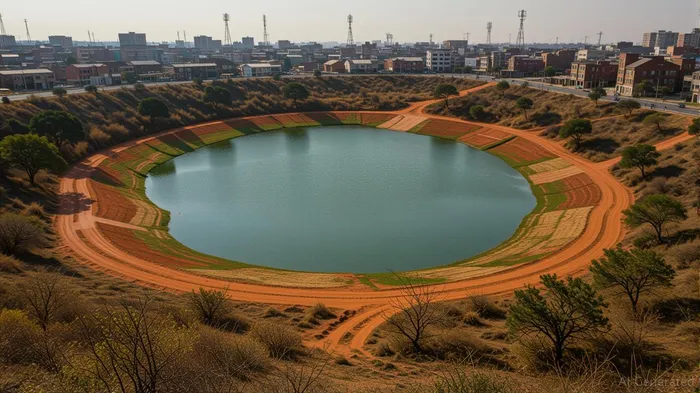
The root causes are multifaceted. Chronic underinvestment has left maintenance budgets chronically inadequate, while corruption within Water Boards—the entities responsible for bulk water supply—has diverted resources from critical upgrades. Meanwhile, rising demand from urbanization and climate-driven droughts has stretched infrastructure beyond its limits. The result is a utility sector in freefall: water tariffs have surged by 15% annually since 2020, yet service reliability continues to decline.
Material Risks for Equity Investors
For investors in utilities, Johannesburg's crisis reveals three existential risks:
- Operational Fragility: Aging infrastructure and theft/vandalism amplify operating costs and revenue volatility. Utilities struggling with leaks and breakdowns face higher capital expenditure needs, squeezing margins and dividend payouts.
- Regulatory and Reputational Exposure: Mismanagement of water quality and transparency failures (e.g., 57% of municipalities failing to warn residents of contamination) create liability risks. Civil unrest over water cuts, as seen in Nelson Mandela Bay, can trigger political backlash and regulatory overreach.
- Climate and Social Equity Pressures: Water scarcity disproportionately impacts low-income communities, fueling social instability. Investors in utilities serving such regions face heightened ESG scrutiny and potential stranded assets if governments prioritize affordability over profitability.
These risks are not confined to South Africa. Similar patterns—decaying infrastructure, weak governance, and climate stress—are evident in Lagos, Nairobi, and other emerging markets. A reveals underperformance in regions with acute water stress, suggesting investors are already pricing in these risks.
Due Diligence Criteria for Equity Analysts
To navigate these risks, investors must adopt a rigorous framework for evaluating utilities in emerging markets:
- Infrastructure Health: Assess maintenance budgets, asset age, and leakage rates. Utilities with over 20% non-revenue water (Johannesburg's 47% is alarming) signal systemic inefficiency.
- Governance and Transparency: Scrutinize corruption risks within state-owned entities. Look for independent audits of Water Boards and their alignment with UN Sustainable Development Goals (SDGs).
- Regulatory Stability: Prioritize countries with clear water pricing frameworks and penalties for utilities failing to meet safety standards. Avoid markets where “cadre deployment” politicizes technical management.
- ESG Integration: Evaluate how utilities address equity gaps. Tiered pricing models and subsidies for low-income households reduce social friction, while smart metering and leak detection tech mitigate operational risks.
Conclusion: Prioritize Resilience
The Johannesburg water crisis is a harbinger of a broader truth: utilities in emerging markets cannot thrive without robust infrastructure, transparent governance, and climate resilience. Investors must treat water scarcity and maintenance backlogs as material risks, not abstract challenges. Those seeking opportunities should focus on utilities with:
- Proven track records of infrastructure renewal,
- Partnerships with international lenders (e.g., World Bank green bonds),
- Transparent ESG reporting aligned with global standards, and
- Diversified revenue streams beyond municipal contracts.
In a world where water is becoming the ultimate scarce resource, equity investors ignore infrastructure resilience at their peril. The time to demand accountability—from utilities and policymakers—is now.







Comentarios
Aún no hay comentarios