
Washington Flooding Spur Surging Aid Demands, Strain Insurance Systems
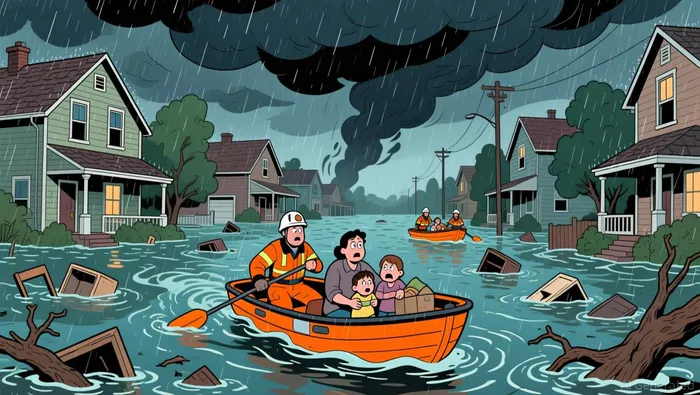
Washington State and the Pacific Northwest are bracing for an extended and potentially dangerous flooding threat as multiple atmospheric river systems are set to bring heavy rain this week. The region is still reeling from historic flooding in recent days, with rivers overflowing, homes destroyed, and tens of thousands forced from their homes. Now, forecasters warn that a new wave of rainfall will intensify the situation, compounding the damage from previous storms and straining emergency response resources.
Residents in flood-prone areas have not yet had a chance to fully recover. The Rosas family in Monroe, for example, watched as their mobile home was submerged in water, with no insurance to help them recover. José Rosas, 39, said the family had just moved into the home months ago, hoping to cut costs during his wife's cancer treatment. Now, their financial stability has been upended.
Floodwaters have already caused widespread damage to homes, businesses, and infrastructure. In Skagit County, residents were evacuated from their homes after rising water levels threatened their safety. The National Guard has been deployed to assist with rescues and evacuations, but the scale of the disaster has overwhelmed local resources.
Financial Burden on Homeowners
The financial toll of the flooding is becoming clearer, with many Washingtonians facing out-of-pocket costs for repairs, temporary housing, and lost income. For those without flood insurance, the burden is particularly severe. Water damage from flooding is not covered by standard home insurance policies, and flood coverage is often an optional add-on.
Families like the Bunches in Sedro-Woolley, who were preparing to sell their home, now face costly repairs and delays. They have flood insurance, but the claims process is lengthy, and the couple must now take refuge with their real estate agent while their home is damaged. Others, like Michelle Archer, are already dealing with the aftermath of previous floods. She had to spend $20,000 out of pocket on repairs after a flood three years ago, only to have her insurance company drop her.
The National Flood Insurance Program, administered by FEMA, has a maximum coverage limit of $250,000 for property damage. This cap has not been adjusted since 1994 and fails to account for today's construction costs. Many Washingtonians are also finding that the program does not cover temporary housing or food, which adds to the financial strain.
Government and Insurance Response
Governor Bob Ferguson has confirmed that President Donald Trump approved Washington's request for an emergency declaration, which allows for Federal Emergency Management Agency (FEMA) assistance. However, this does not guarantee immediate financial support. The governor said he would follow up with FEMA on the details of the aid package and noted that at least 75% of eligible costs could be reimbursed under public assistance programs.
Despite these efforts, many families still face uncertainty. The Rosas family, for instance, has no insurance and no federal aid to rely on. They are now seeking help from their community, with members of their wife's breast cancer support group offering to assist with basic necessities like a bed. The governor has pledged to apply for additional disaster relief, which could unlock more individual financial aid, but the timeline for any assistance remains unclear.
More Rain on the Horizon
The immediate threat is far from over. Another atmospheric river storm is expected to hit the region on Wednesday, followed by a third system on Sunday. This means Washington and British Columbia will face weeks of elevated flood risks as rivers remain at high levels and the ground remains saturated.
Meteorologists have warned that the situation could worsen if rain combines with snow at higher elevations, increasing the meltwater flow. This compound threat could lead to renewed flooding in areas that have already seen record water levels. The National Weather Service has issued flood watches and warnings across multiple regions, with rivers like the Skagit and Puyallup continuing to pose risks. Evacuation orders have been lifted in some areas, but residents are being advised to remain cautious as water levels slowly recede.
Looking Ahead
The long-term financial and emotional toll of the floods is still being assessed. Many residents will need to rely on insurance claims, government aid, and community support to rebuild their lives. For others, especially low-income families and those without insurance, the road to recovery will be much longer. As the region prepares for more rain, the need for emergency resources and financial assistance will only increase. The situation highlights the growing vulnerability of communities to extreme weather events, and the importance of updated flood insurance policies and infrastructure improvements to prevent future disasters.







Comentarios
Aún no hay comentarios